
| Back to search results » | Back to search page » |


|
'Swinton', 266 Glenorchy Road, GLENORCHY
Location266 Glenorchy Road GLENORCHY, NORTHERN GRAMPIANS SHIRE LevelRecommended for Heritage Overlay |
|




Statement of Significance
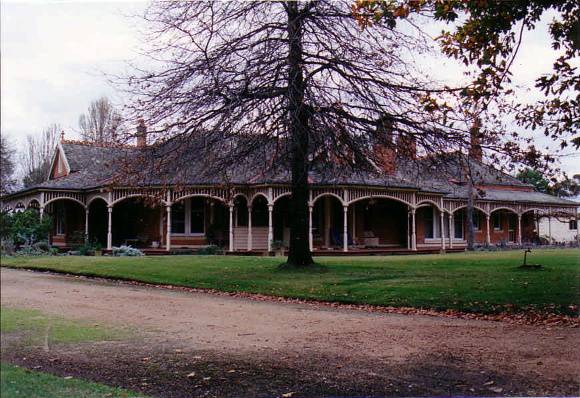
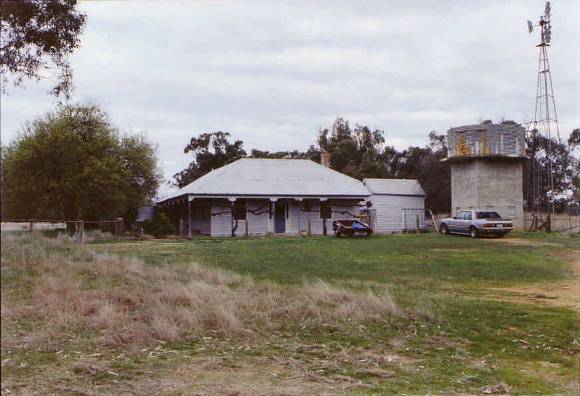
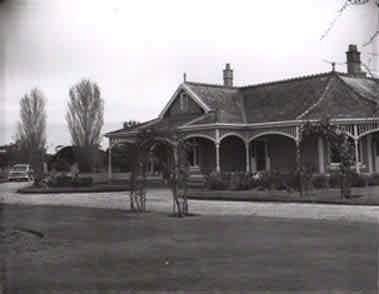
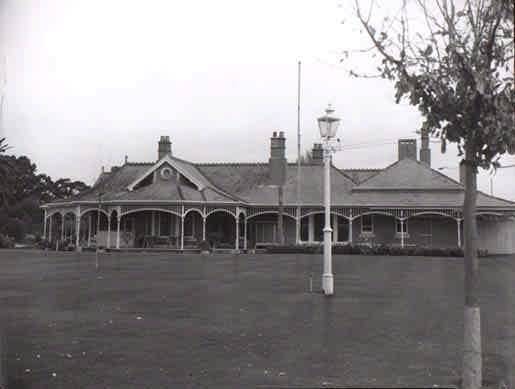
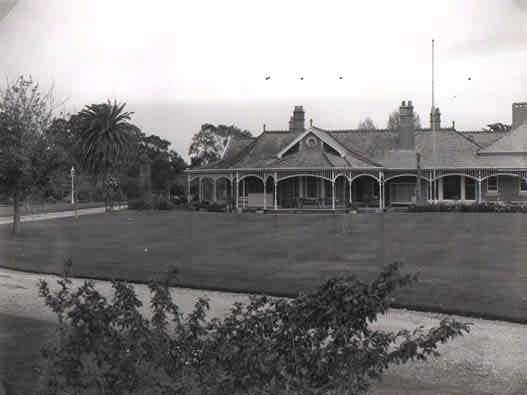
Swinton Station, 266 Glenorchy Road, Glenorchy, has significance as a 19th and early 20th century farming property with a number of intact buildings including the main house, associated sheds, early house and stables. The substantial and well manicured garden setting - laid out by Erik Linaker, Curator of the Ararat Botanical Gardens in the early 20th century - also contributes to the significance of the place. Swinton was acquired in 1881 by Alexander Gray, wealthy Woollen and Flour Mill owner and pastoralist. After the Dunmunkle Creek burst its banks and flooded the early house, the main house was constructed between 1909 and 1911. It appears to be in good condition. Swinton Station at Glenorchy is architecturally significant at a LOCAL level. The main house demonstrates original design qualities of a Federation style. These qualities include the complex hipped, gabled and gambrel roof forms clad in slate tiles with terra cotta ridge decoration and finials. Other intact or appropriate qualities include the asymmetrical composition, single storey height, tuckpointed red brick wall construction, encircling verandah supported by turned timber posts with shallow-arched timber fretwork valances, red brick chimneys with rendered tops and terra cotta pots, chamfered building corners with timber framed double hung windows, other timber framed double hung windows, leadlighting, timber framed doorways, and the ventilators in the gable ends. The early house demonstrates original design qualities of a Victorian style. These qualities include the broad hipped roof form, together with the return broken back verandah. Other intact or appropriate qualities include the single storey height, lapped unpainted galvanised corrugated iron roof cladding, horizontal timber weatherboard wall cladding, verandah columns, front timber framed doorway with sidelights and highlights, and the timber framed double hung windows. The stables building demonstrates original design qualities for a rudimentary 19th century farm building. These qualities include the long, broad gable roof form clad in galvanised corrugated iron. Other intact or appropriate qualities include the vertical timber slab and galvanised corrugated iron wall cladding, rudimentary openings, and internal timber structural system and cobbled floor. The associated timber sheds on the property also contribute to the significance of the place, particularly those nearby the main house. The substantial and manicured surrounding gardens, including the remnants of the early tennis court, also have aesthetic significance as they contribute to the visual amenity of the homestead. Swinton Station at Glenorchy is historically significant at a LOCAL level. It is associated with farming developments at Glenorchy in the 19th century, having been selected as part of the Ledcourt Run by Lt. Robert Briggs in 1840. In 1881, the property was acquired by Alexander Gray, prominent and wealthy Woollen and Flour Mill owner in Geelong and Ropeworks factory owner in South Melbourne. Gray had emigrated from Scotland and acquired a number of pastoral properties in Victoria, New South Wales and Queensland. The main house was built between 1909 and 1911, after the Dunmunkle Creek burst its banks and flooded the early house. The substantial and well-manicured gardens surrounding the main house also have historical significance for their associations with Erik Linaker, Curator of the Ararat Botanical Gardens. Overall, Swinton Station at Glenorchy is of LOCAL significance.
Group
Farming and Grazing
Category
Homestead Complex