
| Back to search results » | Back to search page » |


|
ZETLAND
Location16 YARRA STREET HAWTHORN, BOROONDARA CITY
File NumberFOL/17/17581LevelRegistered |
|






Statement of Significance
Zetland is located on Wurundjeri Country.
What is significant?
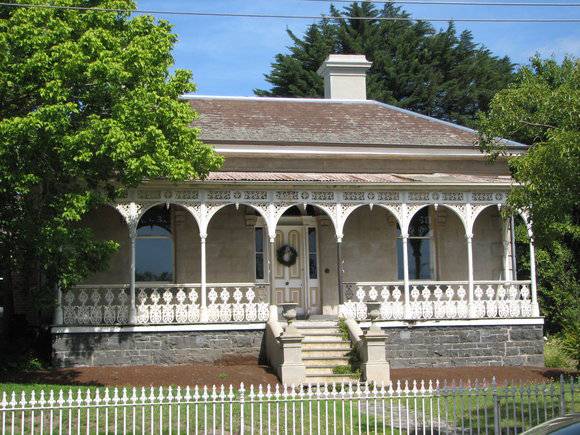
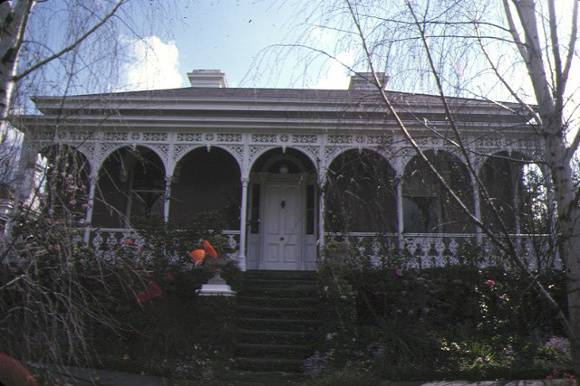
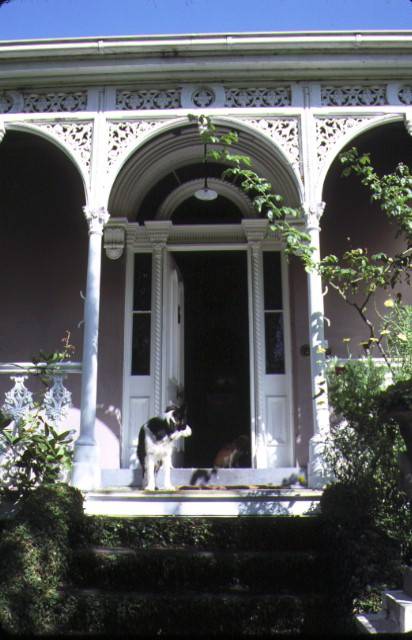
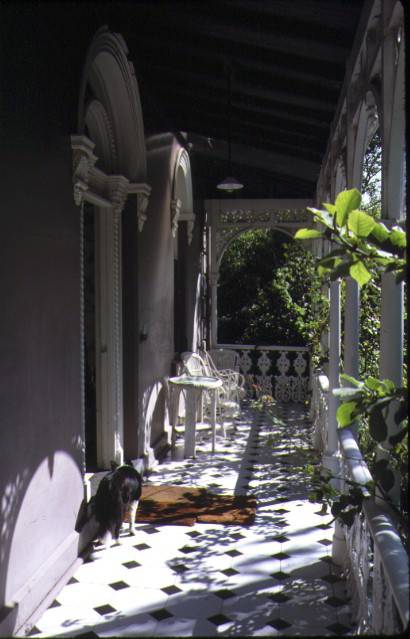
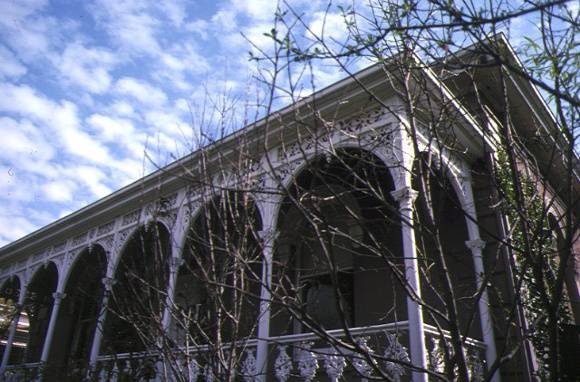
Zetland, a single-storey brick residence designed by William Ellis and constructed in 1873-74 in the Free Classical style, with an ornamental ironwork verandah. It also includes an iron palisade front fence on a stone plinth, and polychromatic brickwork stables.
How is it significant?
Zetland is of historical and architectural significance to the State of Victoria. It satisfies the following criterion for inclusion in the Victorian Heritage Register:
Criterion A Importance to the course, or pattern, of Victoria’s cultural history.
Criterion D Importance in demonstrating the principal characteristics of a class of cultural places and objects
Criterion A Importance to the course, or pattern, of Victoria’s cultural history.
Criterion D Importance in demonstrating the principal characteristics of a class of cultural places and objects
Why is it significant?
Zetland is historically significant as a prominent house within the prestigious St James Park subdivision of the former grounds of Sir James Palmer’s estate. The stables support an understanding of the lifestyle of the house’s residents in the early twentieth century. It is also historically significant for its associations with its designer, the important architect William Ellis.
(Criterion A)Zetland is architecturally significant as a representative example of the houses built within the St James Park Estate, which were sought after by members of Melbourne’s prosperous middle-class of the 1870s. Zetland is characterised by its ornamental verandah, wide allotment, distinct hilltop location and set back position from the main road.
(Criterion D)
Group
Residential buildings (private)
Category
Villa