
| Back to search results » | Back to search page » |


|
BALLARAT RAILWAY COMPLEX
Other NamesRAILWAY BRIDGE AND EMBANKMENT , RAILWAY CARRIAGE SHED , RAILWAY GOODS SHED , BALLARAT RAILWAY STATION , EAST ENGINE SHED Location140 LYDIARD STREET NORTH BALLARAT CENTRAL AND 202 LYDIARD STREET NORTH AND NOLAN STREET SOLDIERS HILL AND SCOTT PARADE AND 60 CORBETT STREET BALLARAT EAST AND 75 HUMFFRAY STREET NORTH BAKERY HILL, BALLARAT CITY
File NumberHE/11/3070LevelRegistered |
|




Statement of Significance
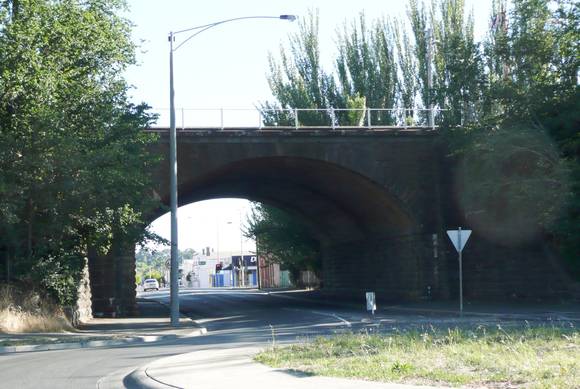
- Together with the Sandhurst (Bendigo) line, the Geelong-Ballarat railway was the first of the colonial government's main trunk lines, opened in 1862, and built to the best British standards of construction. These standards were never to be repeated. Most of the present complex dates from this period. Ballarat is the largest complex to have been built at this time.
- The Government's decision to built one of its first trunk lines to Ballarat recalls the great importance of a Ballarat and East Ballarat as an economic centre in the colony and the largest mining centre of the world famous Victorian central goldfields. The entire complex is expressive of this decision arising from Ballarat's economic importance.
- The railway acted as a catalyst for the development and redevelopment of Lydiard Street North throughout the nineteenth century. Given Lydiard Street North's national importance as a thoroughfare founded on wealth produced through gold mining activity, as indeed the important economic social and political role Ballarat played in the State's development because of this gold-based wealth the station complex plays a crucial role in the interpretation of the fabric of this street.
- Ballarat Station was the colony's busiest non-metropolitan station for a period during the nineteenth century, its pre-eminence only being surpassed at different times by Echuca and Geelong. The entire complex is expressive of this fact.
- The construction and development of the Ballarat station site recalls the roles of the following senior offices of the Victorian Railways Department:
Thomas Higginbotham, Engineer-in-Chief (1860-1878).
Patrick Brady, Senior Architectural and Mechanical Draughtsman (1857-1867 and possibly later).
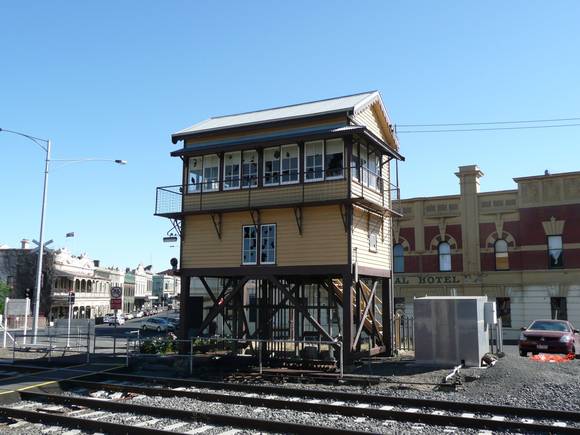
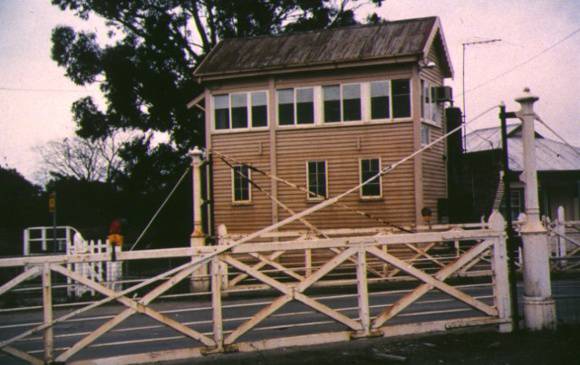
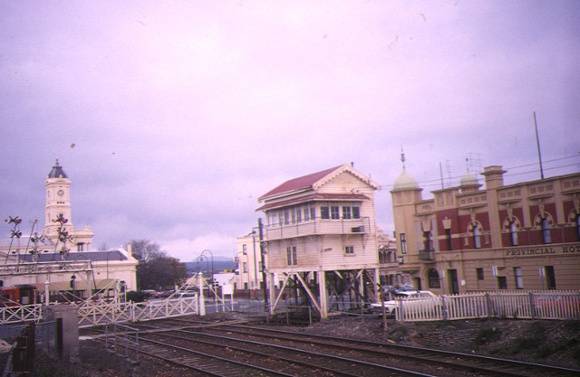
George W Sims, Chief Draughtsman (c. 1878- ?) had responsibility for the 1888 additions as well as the signal boxes (buildings only).
JW Hardy, Chief Architect of the Way and Works Branch (1908-1918) had responsibility for the additions to "A" Box, based closely on a design developed under Sims.
With the exception of Hardy, whose involvement was minor, the Ballarat complex was a major example of the work of these senior officers.
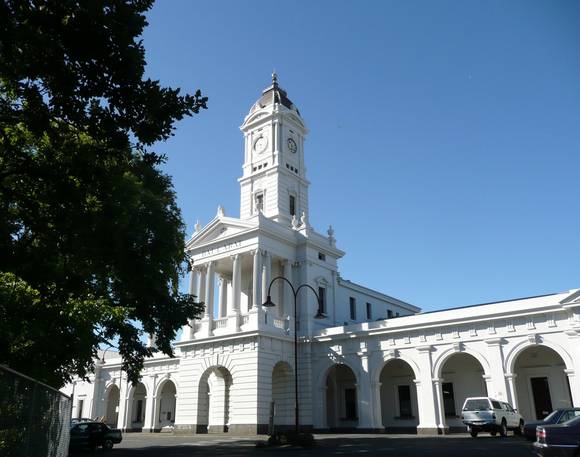
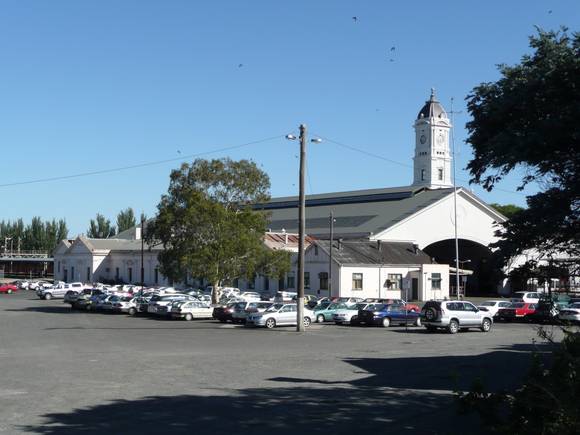
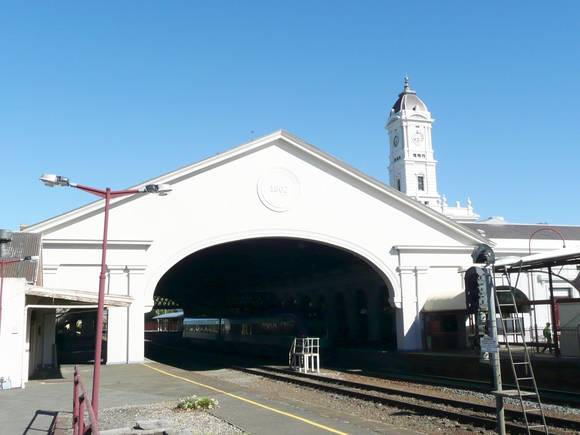
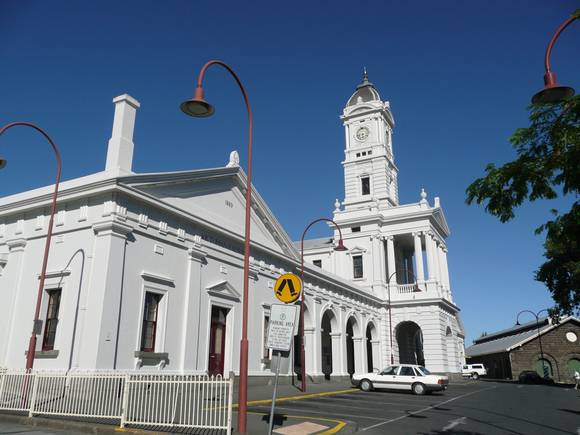
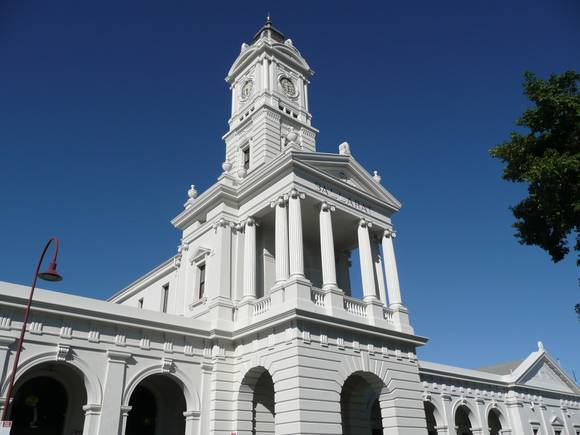
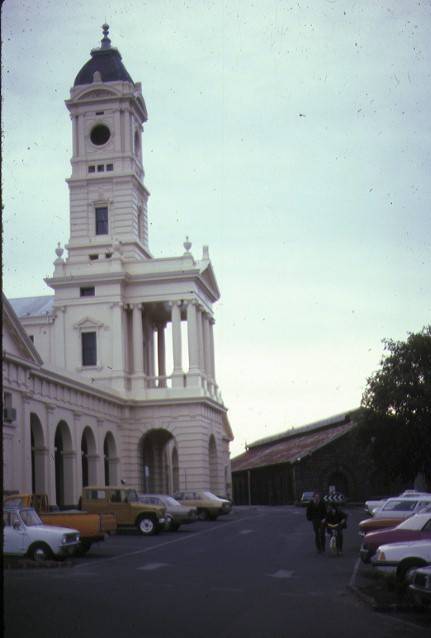
- Together with Maryborough, Albury (NSW), Port Pirie (SA) and Brisbane Central (Qld), Ballarat is the only nineteenth century station built at the national level to have a prominent clock tower.
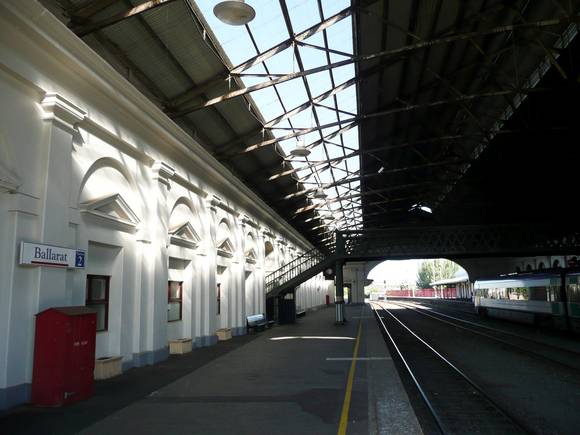
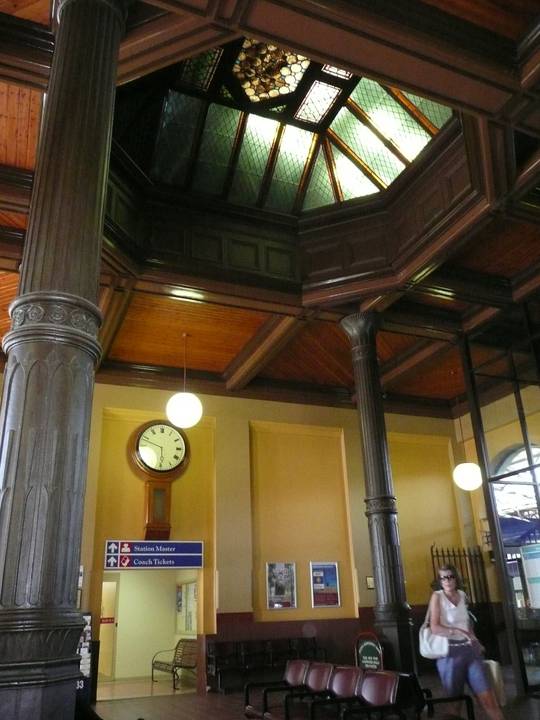
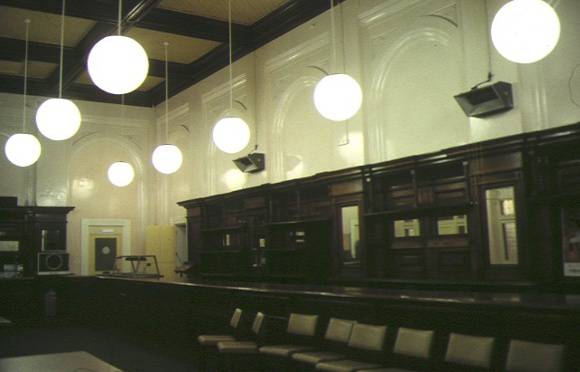
- Together with Geelong and Normanton (Qld), Ballarat is the only surviving nineteenth century station building now retaining a substantial and imposing train hall. It is representative of others, now demolished including Adelaide, Port Adelaide and Brisbane Central.
- The train hall and clock tower symbolise Ballarat's importance as a provincial city and simultaneously recalls the status of rail travel in the Victorian age.
- In Victoria, Ballarat compares in size with Geelong and Bendigo and in layout to the extent that it has an approach road surrounded by passenger and freight handling buildings. Given the destruction of Bendigo by fire and the pending demolition of the Geelong goods shed, Ballarat's intact state will be unique in this respect, recalling the planning principles of early British terminal stations.
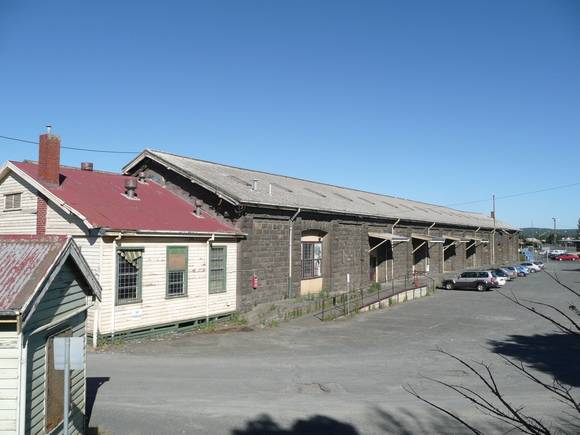
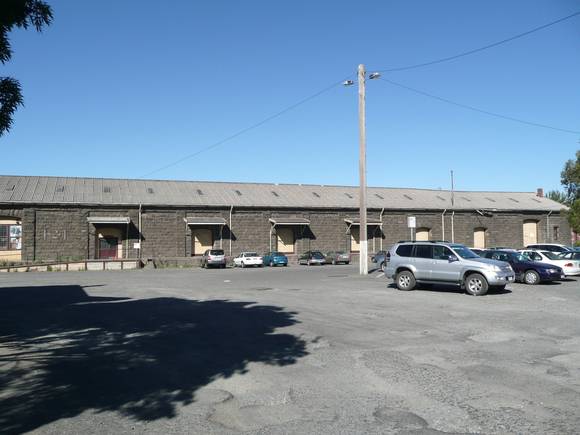
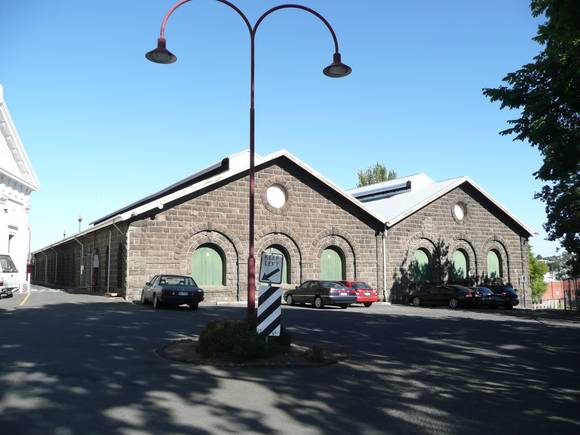
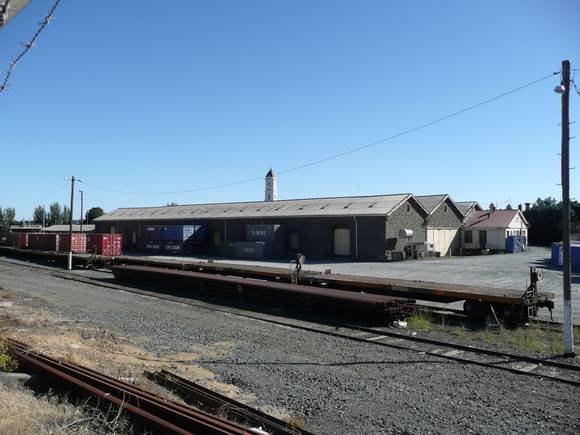
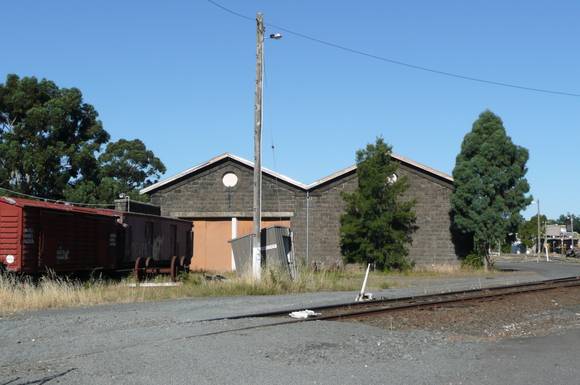
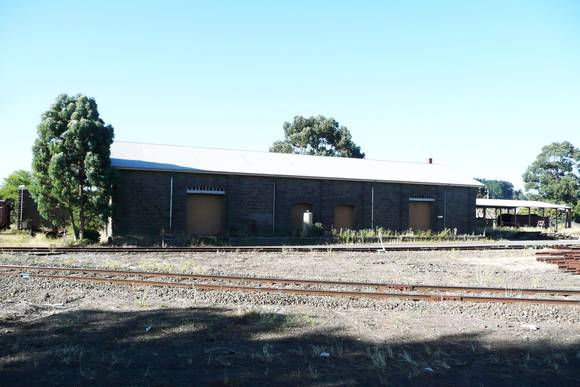
- The Goods Shed compares closely with Ballarat East and to a lesser extent with Little River, Riddells Creek, Malmsbury and Kyneton. It is the largest bluestone goods shed in Victoria.
- The former Engine Shed compares with Bendigo and Echuca but is the only example of this 1860s design to be erected in bluestone.
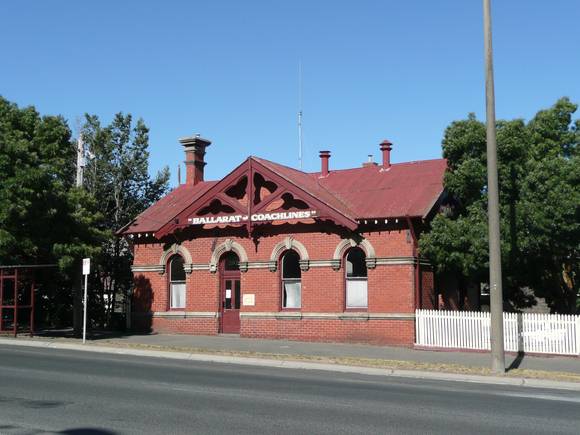
- The Carrier's Office recalls other timber offices in Ballarat, now demolished, and offers insights into nineteenth century freight handing methods. It is unique at the State level at least for its flamboyant design.
Group
Transport - Rail
Category
Goods shed/crane