
| Back to search results » | Back to search page » |


|
LEONGATHA SECONDARY COLLEGE
Other NamesLEONGATHA HIGH SCHOOL , LEONGATHA SECONDARY COLLEGE Location1-47 HORN STREET LEONGATHA, SOUTH GIPPSLAND SHIRE
File NumberPL-HE/03/1085LevelRegistered |
|




Statement of Significance
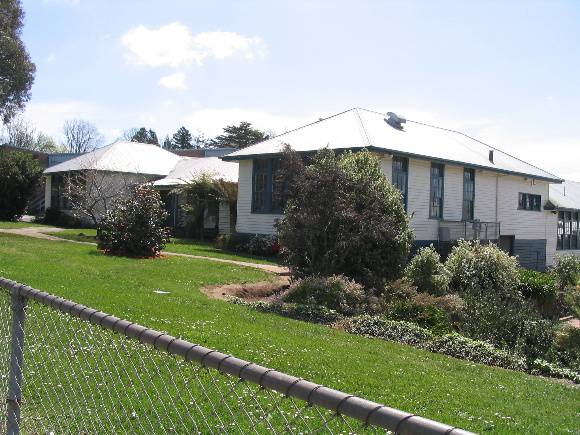
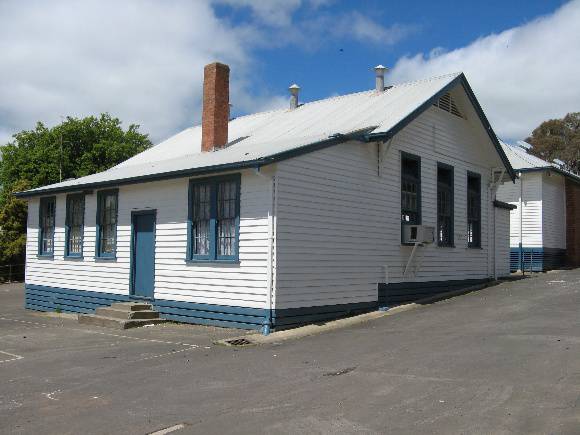
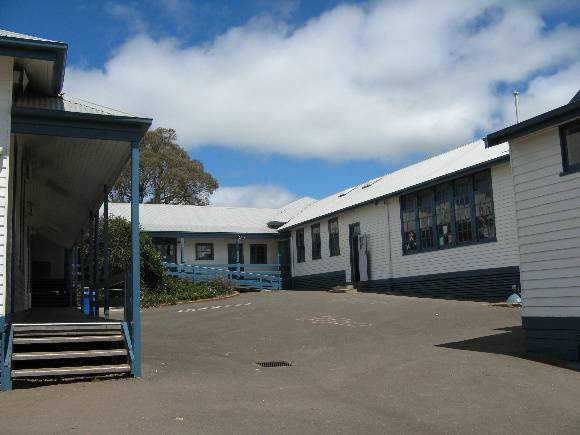
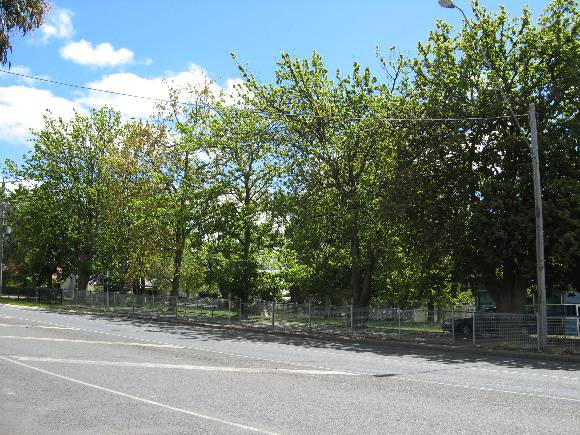
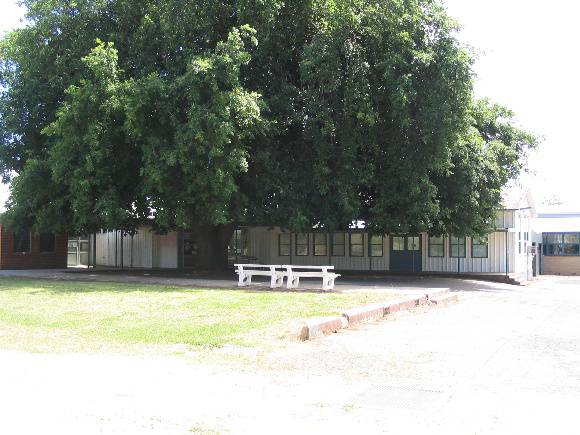
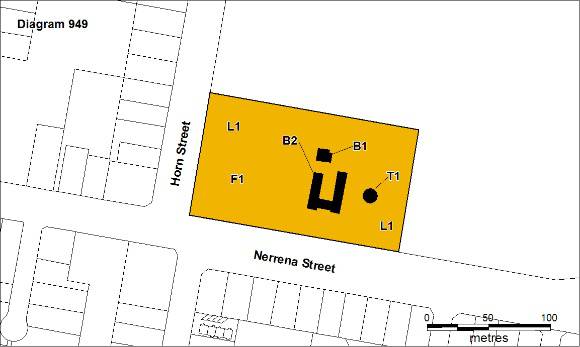
What is significant? Leongatha Agricultural High School was among the first state secondary schools established in Victoria, with classes commencing in February 1912 and a new school building completed by the end of 1912. The site was part of the Leongatha Labour Colony, established on crown land, which operated from 1893 to 1919 to provide food, shelter, employment and training in farm skills for unemployed men. In 1914 a detached sloyd room was added at the rear of the school. The sloyd program was developed in Sweden and introduced into Victorian schools in 1901, to foster the 'general development of boys' natural facilities', mainly by the teaching of woodwork skills. Girls were not included, and instead were taught cooking or needlework. The agricultural side of the school never flourished, and the farm ceased operating in 1930 and the school became Leongatha High School. In September 1933 the school, but not the sloyd room, was totally destroyed by fire. A new high school building, designed by the Public Works Department and similar in design to the original, was built in 1934 by J Cox. During 1935-36 sixty trees were planted on the south-west corner of the site to commemorate the school's Silver Jubilee. By 1954 the sloyd room was used as the school cafeteria, and later as a home room. The 1934 school building is still in use. The 1934 school building is a single storey weatherboard H-plan building with a verandah between the two short projecting front wings, and a courtyard between the two longer rear wings. It has a low pitched hipped corrugated iron roof and large banks of multi-pane double hung sash windows with hopper lights above. Verandahs around two sides of the rear courtyard provide access to the classrooms. The exterior of the building is largely intact, but some room arrangements have been changed, particularly in the office area at the front of the school. The sloyd room is a detached timber structure, originally of one room with a skillion on one end for a timber store and a brick chimney in the centre of one long side. Along the north side is a brick-floored skillion, added in 1927 as a sheet metal room and blacksmith shop. The Silver Jubilee Park is on the south-west corner of the site, and to the east of the 1934 building is an Algerian Oak tree (Quercus canariensis) planted in 1912 by the first manager of the school farm. How is it significant? Leongatha Secondary College is significant for historical and architectural reasons to the State of Victoria. Why is it significant? The Leongatha Secondary College is historically significant as one of the earliest secondary schools established in Victoria. The 1934 building is a rare example of a single storey timber secondary school built during the Depression from locally available materials. The significance of the school is greatly enhanced by the survival of its sloyd room, once a common feature in primary and secondary schools in Victoria but now rare, particularly in secondary schools. This is the only known surviving sloyd room in Victoria associated with a secondary school. The 1914 sloyd room is historically significant for its association with an important educational technique, taught only to boys in a large number of schools in Victoria in the first half of the twentieth century. It is significant as a reflection of gender biases in education in the first half of the twentieth century and differing expectations in the education of boys and girls. The 1912 oak tree and the Silver Jubilee Park, planted to commemorate the Silver Jubilee of the school in 1937, are significant for their association with the history of the school: trees were often planted at schools to commemorate important events, but few have survived, and commemorative school gardens are now rare. The site is also historically significant for its association with the former Leongatha Labour Colony. The Leongatha Secondary College is architecturally significant as an intact example of an early twentieth century timber rural high school with its original timber sloyd room.
Group
Education
Category
School - State (public)