
| Back to search results » | Back to search page » |


|
EQUITY CHAMBERS
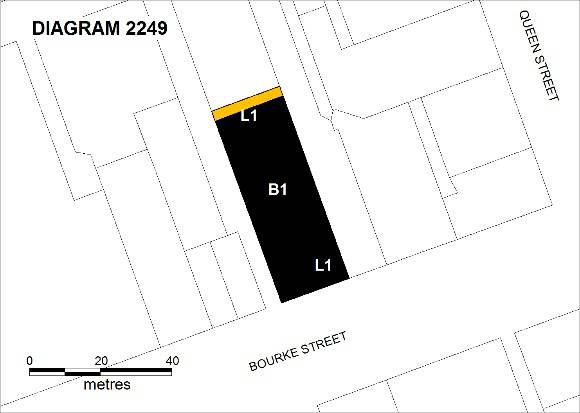
Other NameEquity Trustees Building Location472 BOURKE STREET MELBOURNE, MELBOURNE CITY
File Number602526LevelRegistered |
|




Statement of Significance
What is significant?
Equity Chambers was constructed in 1930-31 to the designs of the
architects Oakley & Parkes, and was built by Weavell & Keast
for £90,000. The site was that of the first synagogue in Victoria.
Equity Chambers was built for the Equity Trustees Company, which had
been established in 1888 by an Act of the Victorian Parliament to
provide trustee and executor services, and later evolved into a
financial services provider. The building was designed to accommodate
the Equity Trustees offices and an impressive main chamber on the
ground floor, the company's offices on the first floor and tenants on
the upper floors. The building was close to Melbourne's legal quarter
and mainly served members of the legal profession. The legal chambers
were set up by Sir Eugene Gorman in 1931 and the third floor in
particular has had a close association since then with a number of
judges and barristers which have been prominent in Victoria's legal
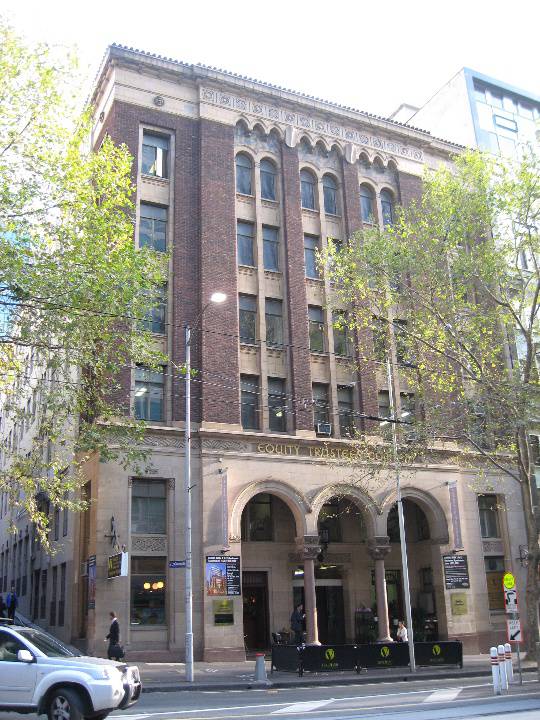
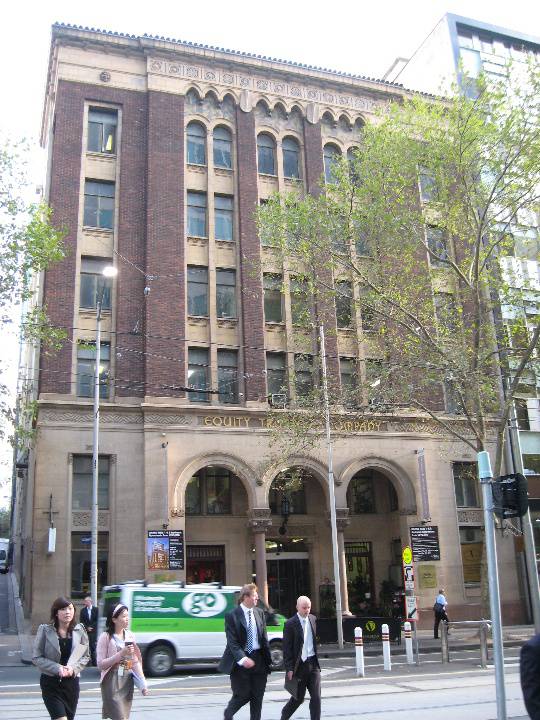
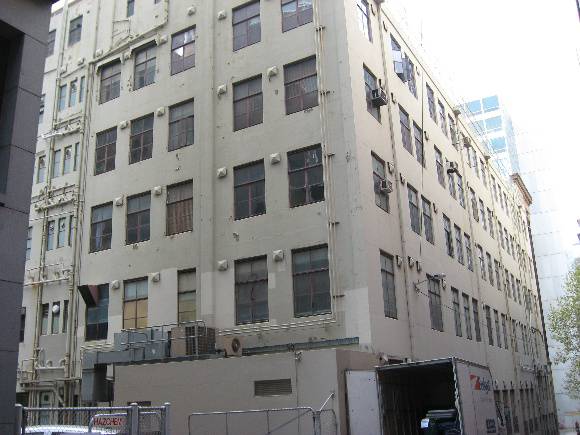
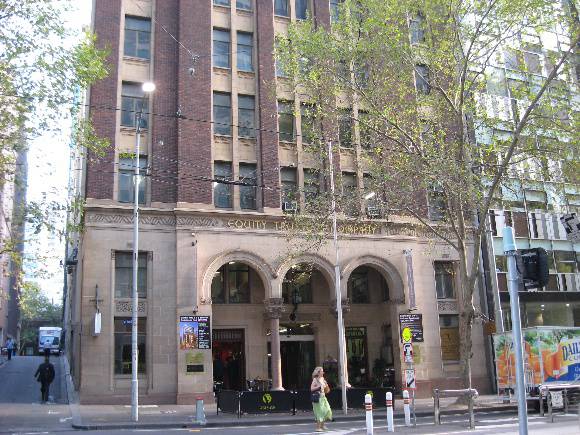
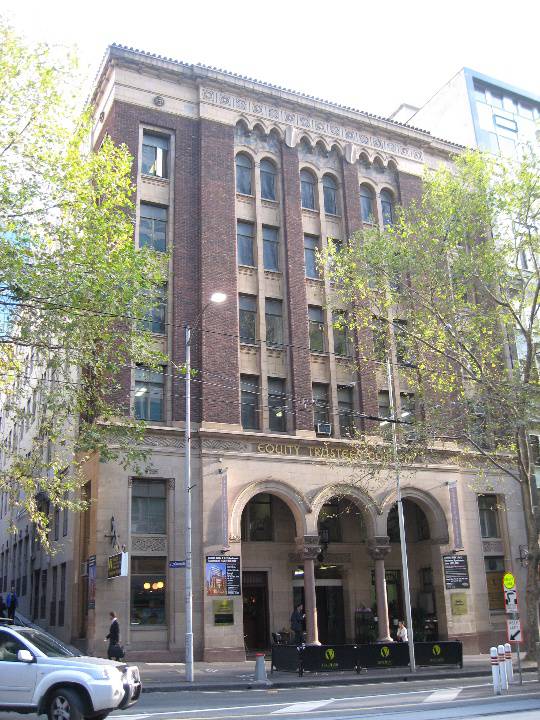
history. Equity Chambers is a steel-framed and reinforced concrete office
building in an Inter-war Romanesque style, with a basement, ground
floor, mezzanine and four upper floors. The front elevation is faced
with tapestry brickwork on a double storey plinth of Sydney sandstone
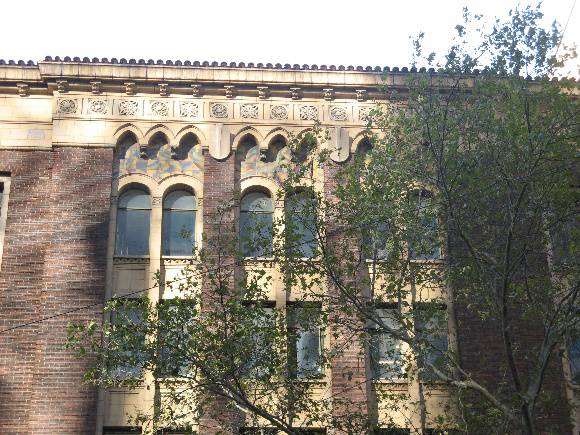
and polished granite. The upper windows are recessed with decorated
spandrels. The facade is crowned by a terracotta band, the projecting
central bay being elaborately decorated with multi-coloured terracotta
tiles, corbels supporting pointed arches, and decorated square panels.
Stylistically the details are derived from Italian Romanesque and
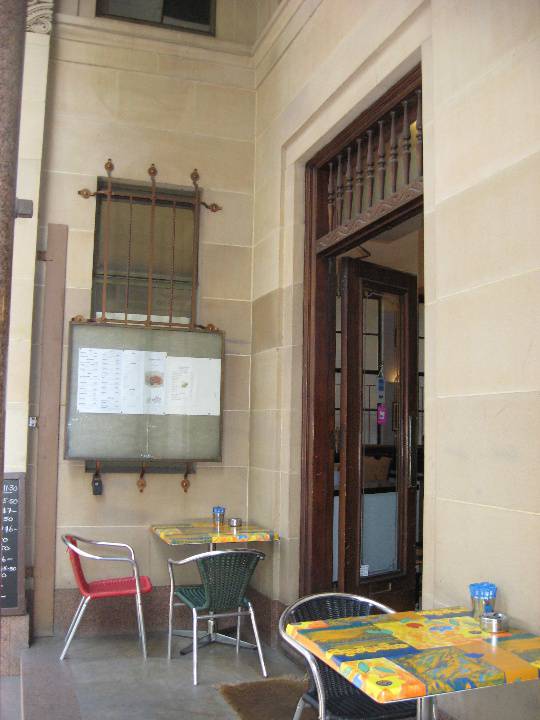
Gothic architecture. The central entrance is through an arcaded porch,
with the name 'Equity Trustees Company' inscribed above in Art Deco
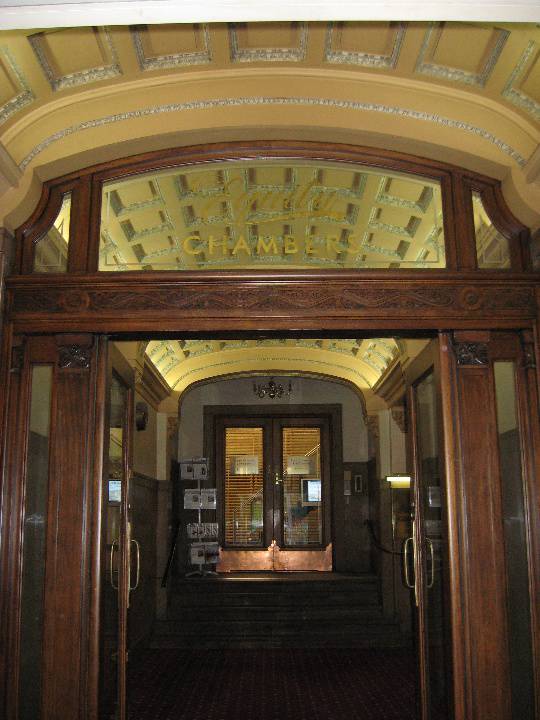
style lettering. The porch, supported by two polished granite columns,
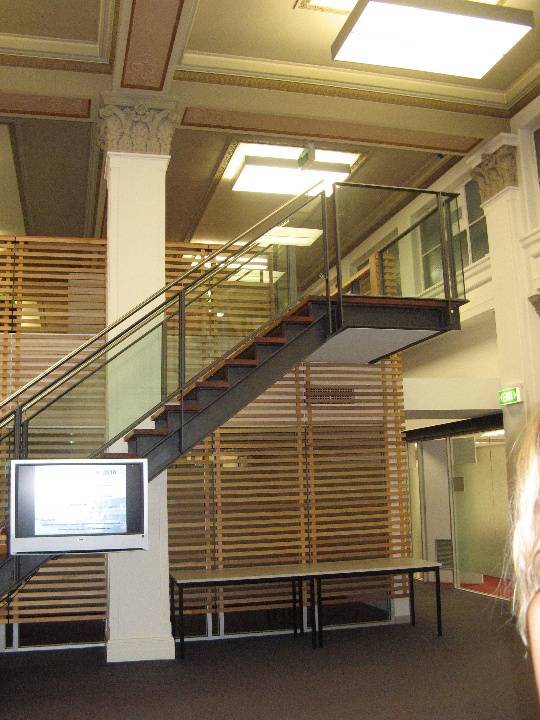
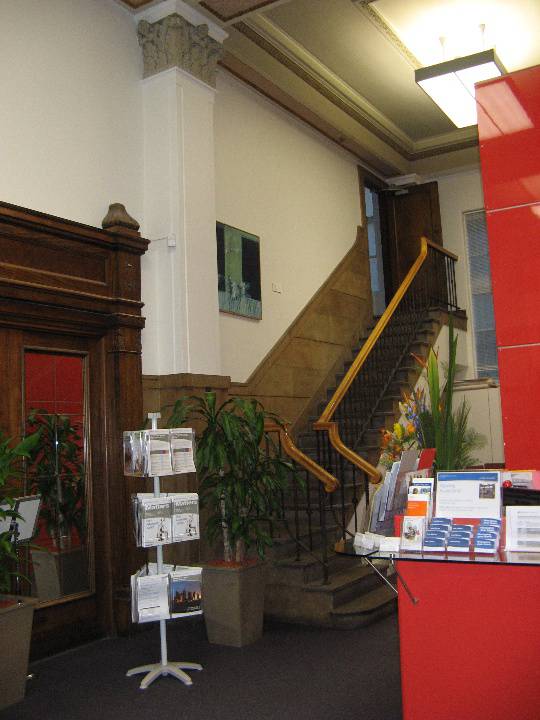
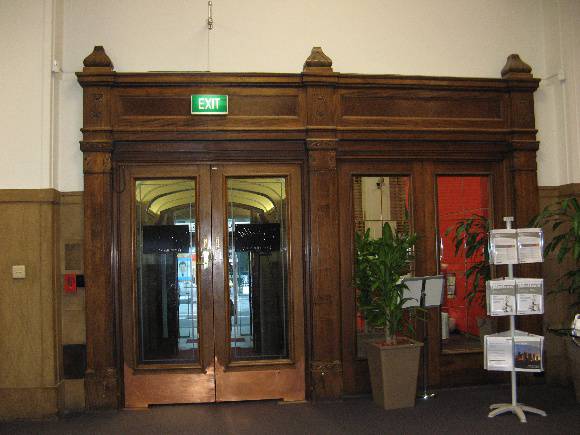
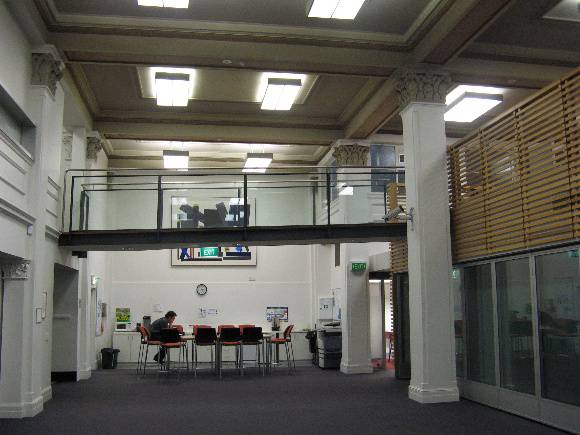
opens into a hallway with a vaulted coffered ceiling leading to the
large rear main chamber, which retains decorative plasterwork,
Corinthian columns, carved timber surrounds on the door into the entry
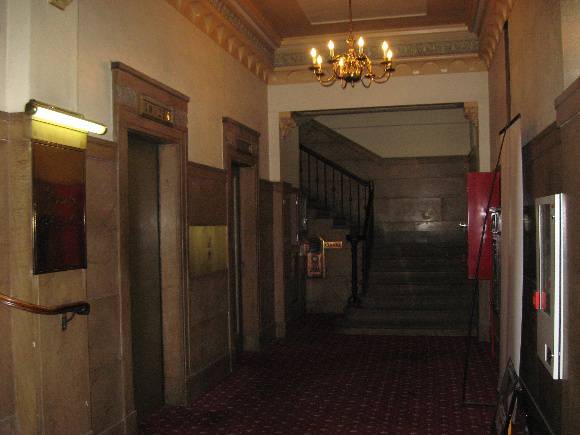
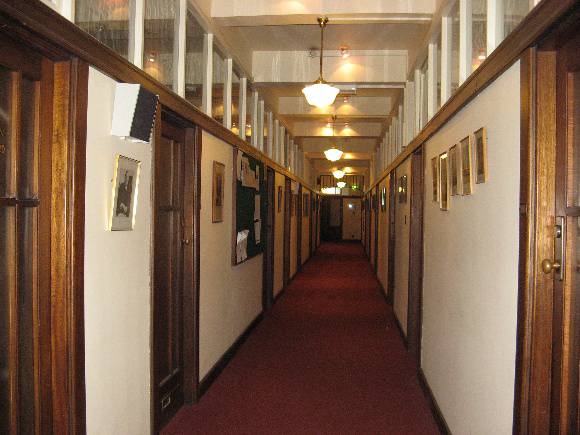
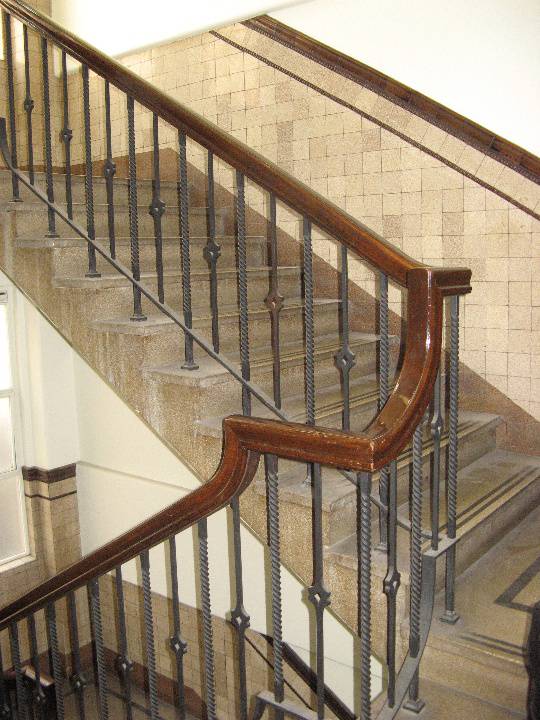
hall and the staircase to the mezzanine offices. Two lifts are located
in a passage which is perpendicular to the central main hall. Notable
original features include the incised foliated bands and other facade
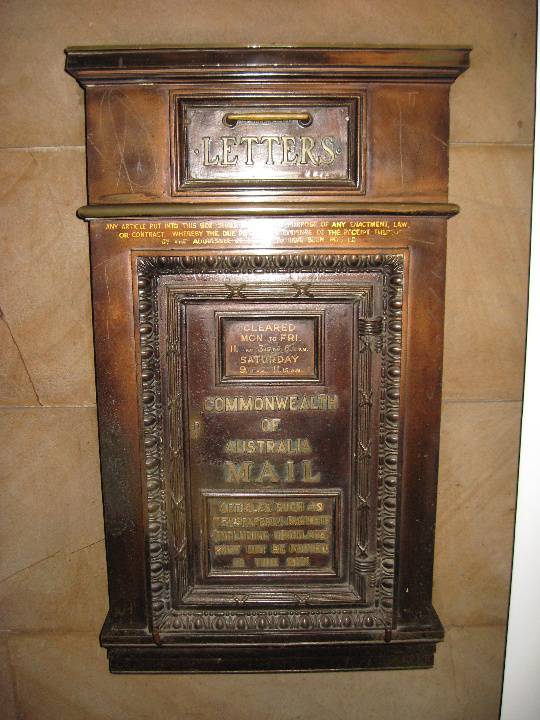
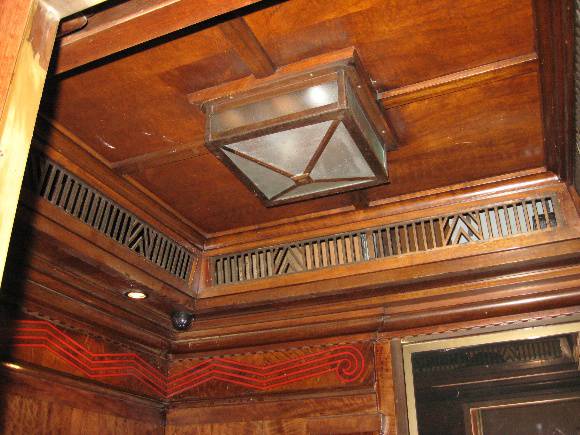
decoration, the arcaded entry porch, the entrance foyers with their
coffered ceilings, the elaborately decorated post box and fire alarm
in the lift foyer, the patterned timber veneer lined lift cars and the
stairways. This site is part of the traditional land of the Wurundjeri people.
How is it significant?
Equity Chambers is of architectural and historical significance to
the state of Victoria.
Why is it significant?
Equity Chambers is architecturally significant as an outstanding
example of the exotic revival architectural styles which were adopted
in Victoria during the inter-war period, especially during the Great
Depression. It is significant as a demonstration of the then
characteristic application of historically inspired architectural
detail to contemporary building forms. The Italian Romanesque and
Gothic detailing is particularly fine, and the ground floor loggia,
entry foyer and lift interiors are among the finest in Victoria. It
was one of the few large buildings constructed in Melbourne during the
Great Depression, when economy, as well as appearance, was a prime
concern. Equity Chambers is historically significant as the oldest
continuously occupied barristers' chambers in Victoria, which have
been occupied since 1931 by some of Victoria's most famous judges and
barristers.
Group
Commercial
Category
Commercial Office/Building