
| Back to search results » | Back to search page » |


|
Kuruc-a-ruc Homestead Complex
LocationKuruc-a-ruc Road ROKEWOOD, GOLDEN PLAINS SHIRE LevelIncluded in Heritage Overlay |
|




Statement of Significance
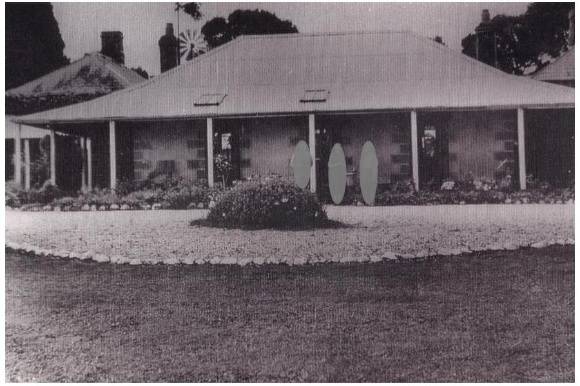
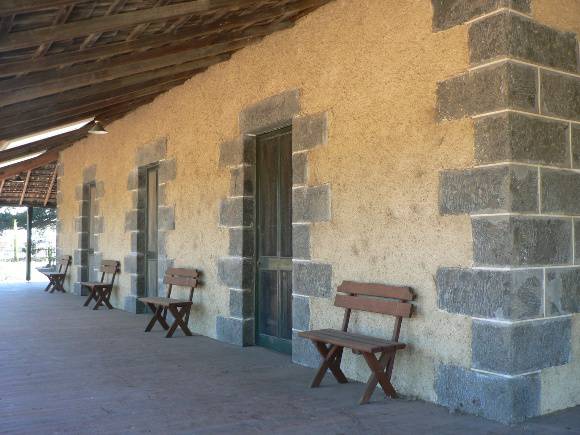
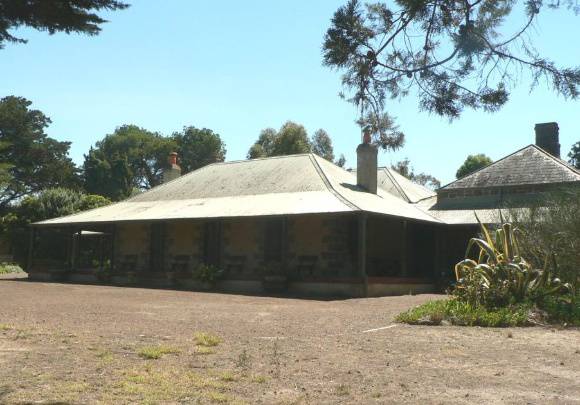
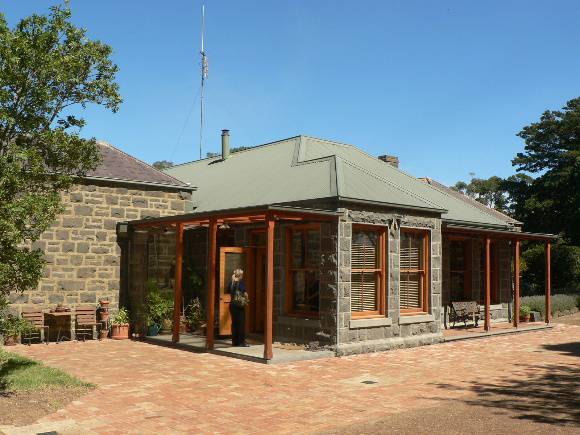
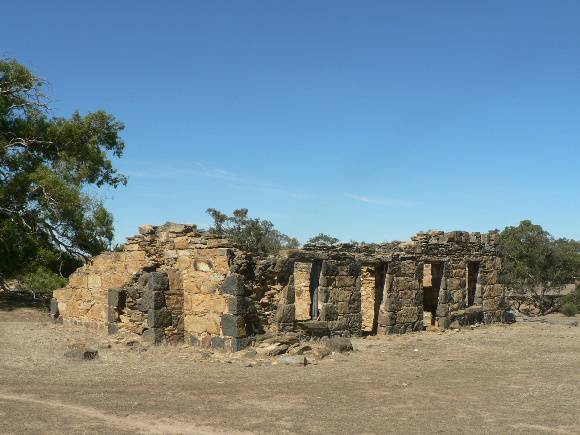
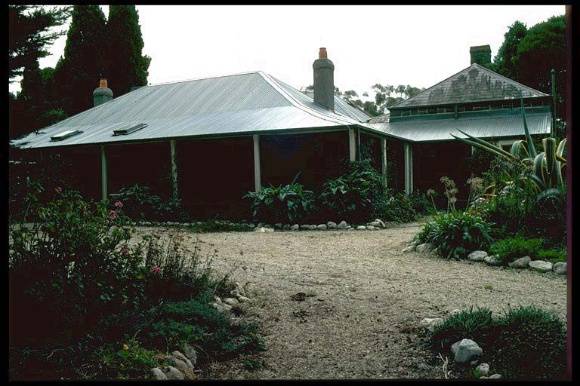
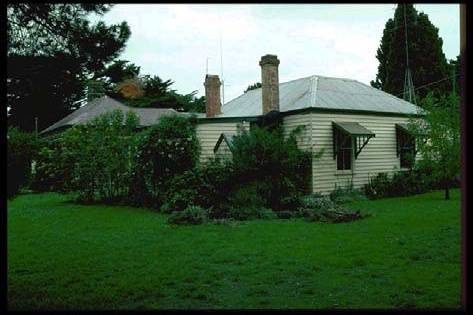
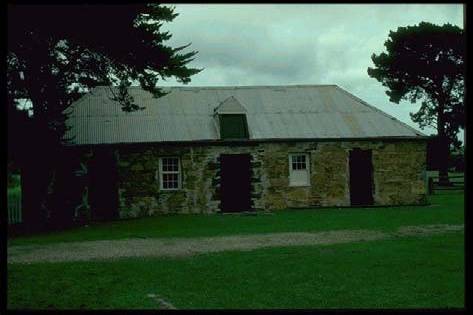
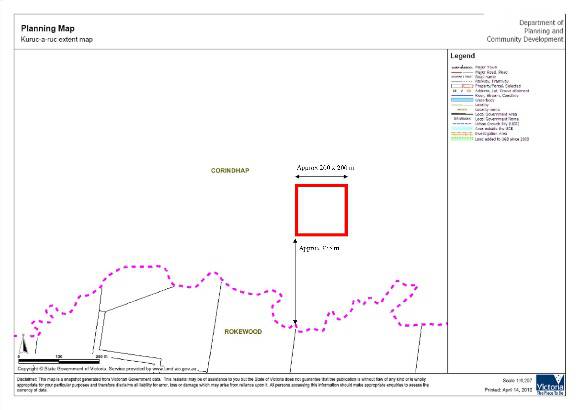
What is Significant? The Kuruc-a-ruc homestead complex is located on the northern side of the Kuruc-a-ruc Creek. The squatting run dates from the late 1830s when it was taken up by the Derwent Company which soon sold the lease to Aitchison and Co., with David Aitchison the sole proprietor by 1852 who applied for his 640 acre Pre-emptive Right the next year. The central part of the homestead probably dates from this time. It is a single-storey stone structure with a pair of hipped roofs, the front of which extends to incorporate the wide timber verandah on three sides. In October 1857, pastoralists John senior and his sons William, John junior and Nairne Guthrie Elder, took over the ownership of the Kuruck Kuruck pastoral run. The homestead was extended on both sides in 1866 to the design of architect, Alexander Davidson who had arrived in Rokewood from Scotland late in 1864. The detailing is particularly fine. Outbuildings were also designed by Davidson. Alone and subsequently in practice with his architect cousin, George Henderson, he went on to become one of the best and busiest architects in the Western District. Their success was largely based on their Presbyterian connections. The Elder family was staunchly Presbyterian and there are direct links with Davidson first major commission in Victoria, the Rokewood Presbyterian Church. The property was sold in 1963 to Muller Brothers and in 1973 to the present owners, the Boyle family. The homestead was restored and reoccupied by the Boyle family in 2002. A recent sympathetic extension includes a new kitchen, dining and living area. The conventional homestead garden with its extensive plantings of mature exotics, especially conifers, which was rehabilitated during the 1990s probably dates from the mid 1860s. Although there is no surviving early decoration in the homestead, the complex is substantially intact with a high degree of integrity. An outbuilding, a pair of workers' cottages survives as a ruin some distance to the south-east of the homestead. The early woolshed, once a key part of the complex was demolished in the nineteenth century with a new woolshed built in 1929. How is it Significant? The Kuruc-a-ruc homestead complex, Rokewood is of historical, social and architectural significance to the State of Victoria. Why is it Significant? The Kuruc-a-ruc homestead complex, Rokewood is of historical significance as the focus of one of the oldest squatting licences in the Western District and for its direct associations with important early pastoral companies and individual squatters including David Aitchison and, for a century from 1863, the Elder family. It is of further historical significance for the intimate interaction between pastoralism and gold-mining. It is of social significance as a classic model of homestead life and for its relationship with the surrounding district and towns, especially religiously through the staunch Presbyterianism and traditional Scottish kinship loyalties of the owners. It is of architectural significance for its extended early bungalow form, more typical of NSW than Victoria after the discovery of gold. The extensions and outbuildings are of particular architectural significance as some of the earliest works of Alexander Davidson, the young Scottish architect who lived briefly at Rokewood and went on to develop, with his partner George Henderson, as one of the most important firms in Western Victoria.
Group
Farming and Grazing
Category
Homestead Complex