
| Back to search results » | Back to search page » |


|
Duplex Houses
Location29-31 Phoenix Street SOUTH YARRA, STONNINGTON CITY LevelIncluded in Heritage Overlay |
|





Statement of Significance
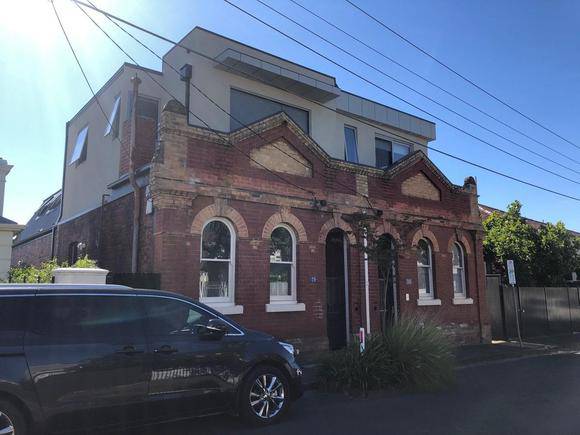
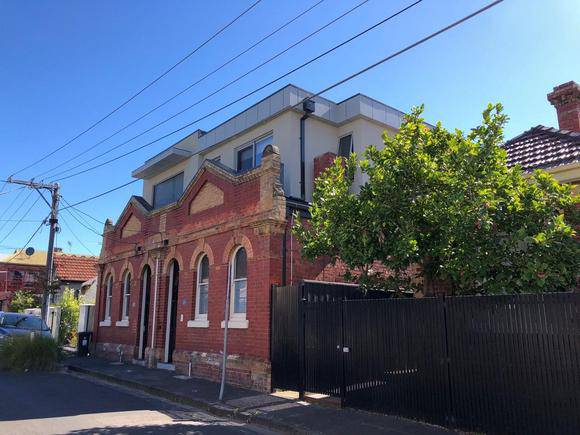
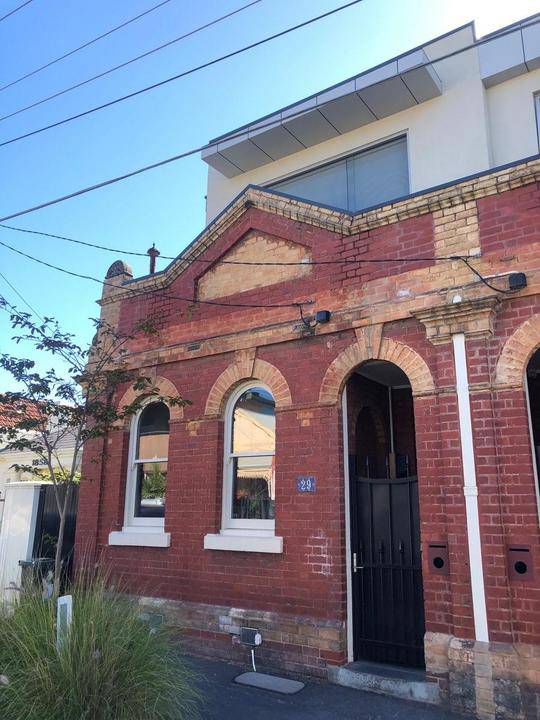
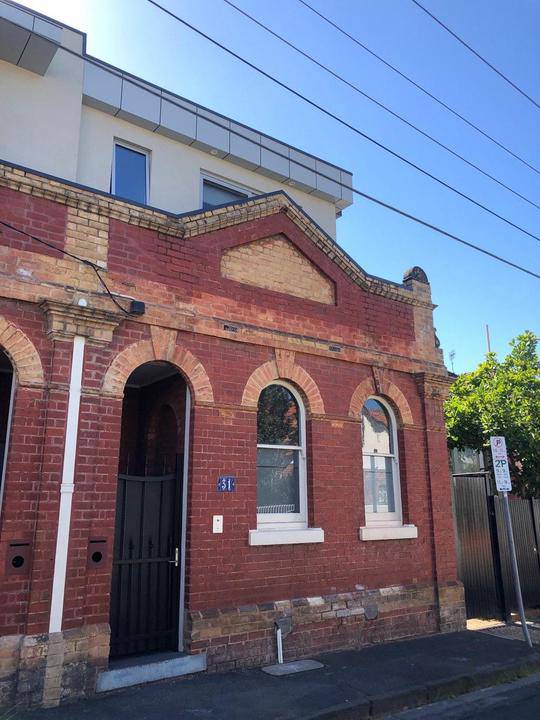
What is significant? The front walls are of pressed red brick with cream brick dressings, both tuckpointed in Flemish bond. The facades have a regular pattern of round-headed arched openings, three to each dwelling; the central openings to recessed entrance porches. Abstracted classical forms, including keystones, engaged pilasters and raking pediments are created mainly with cream bricks, many of them with moulded profiles. The two dwellings are highly intact, retaining all elements and details of the facades and entrance porches. The only external alteration noted is the shortening of the four front chimneys. The dwellings are significant to the extent of their 1890 fabric. While the 1890 timber lean-tos at the rear are secondary, utilitarian spaces, the intact corbelled chimney shared by the two kitchens is particularly significant as the only surviving intact chimney. How is it significant? Why is it significant?
The semi-detached pair of houses at 29-31 Phoenix Street, South Yarra, is significant. The houses were built for owner John H Sallows in 1890 as rental properties. Sallows was an engineer, and the likely designer of their naïve though creative and lively architectural expression.
The semi-detached pair of houses at 29-31 Phoenix Street is of local aesthetic significance to the City of Stonnington.
Aesthetically, the semi-detached terrace pair is significant for its abstracted classical forms, in a naïve version of the Free Classical style, in a palette of materials typical of the Federation period (particularly the pressed red brick). They are highly unusual among dwellings in the City of Stonnington both for their inner-urban form, built to the front boundary, and even more so for the abstracted pedimented parapet and high level of detail created with cream bricks. The use of the two colours of bricks is lively and inventive, particularly the use of moulded cream bricks to create classical capitals and cornices, combined with a more medieval use of decorative diaper patterns. The retention of fine-grained detail, such as the timber entrance gates and diamond-patterned timber porch ceilings, is also unusual. (Criteria B & E)
Group
Residential buildings (private)
Category
Duplex