
| Back to search results » | Back to search page » |


|
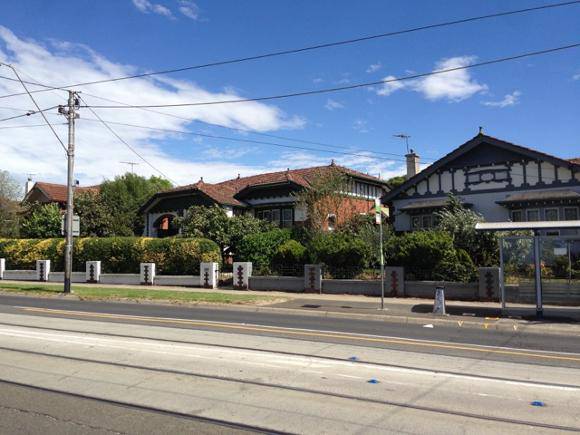
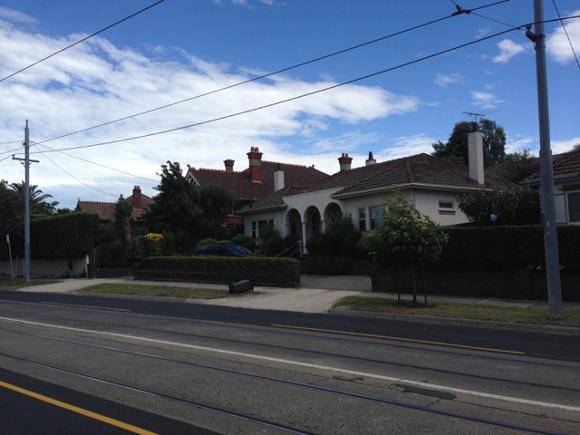
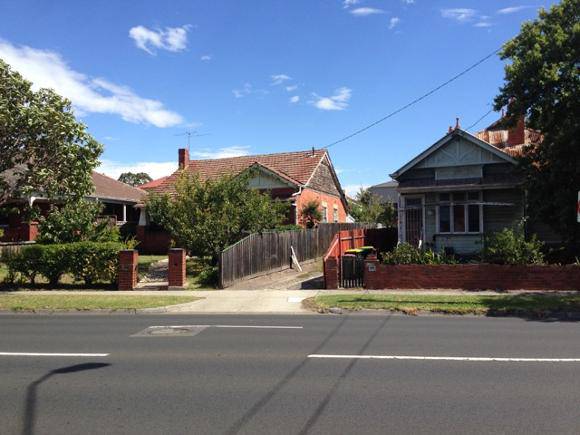
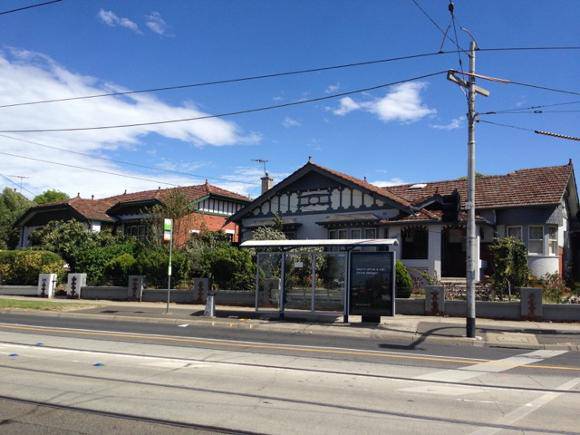
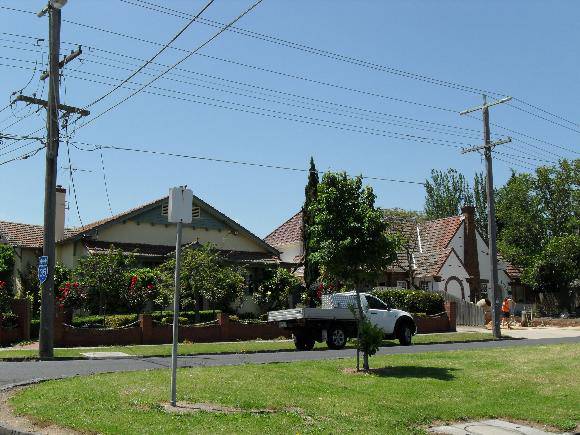
Pascoe Vale Road Precinct
Other Name2018 Location189-237 PASCOE VALE ROAD, 20A BUCKLEY STREET, 1, 2 & 4 FLETCHER STREET, and 13 LOEMAN STREET, ESSENDON, MOONEE VALLEY CITY LevelIncluded in Heritage Overlay |
|



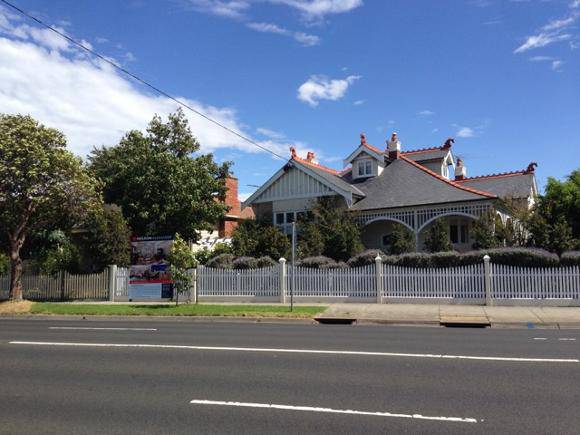
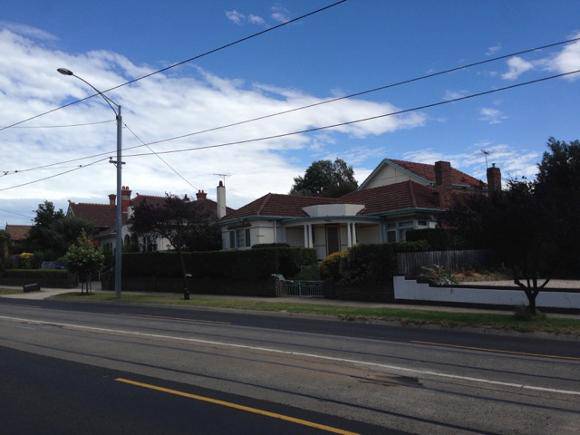
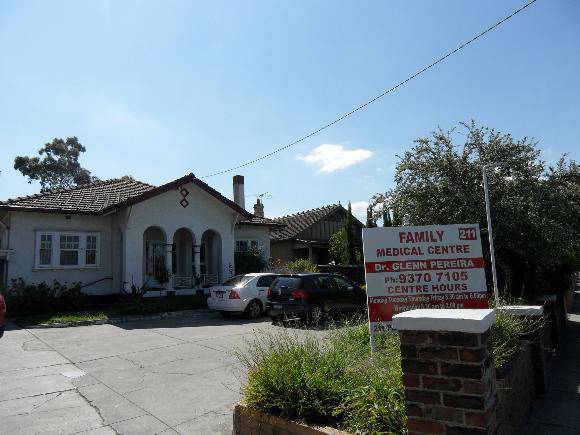
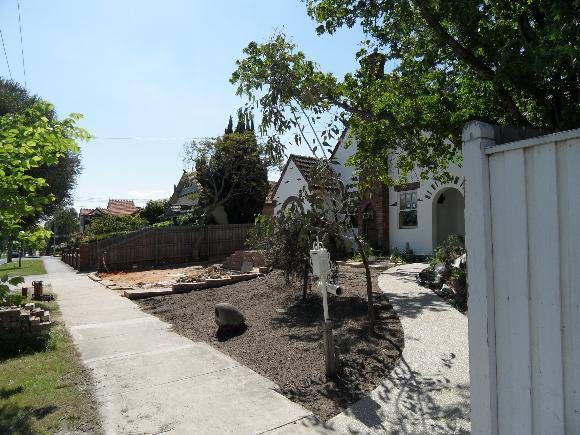

Statement of Significance
What is significant? 1. The houses at: 2. The original or early front fences at 189, 199, 203-207, 211 &
235 Pascoe Vale Road. 3. The bluestone kerb and channel and mature street trees (Elms and
Oaks) in Fletcher Street, and the laneways in Pascoe Vale Road between
nos. 223 and 225 (which has a pitched bluestone central drain) and
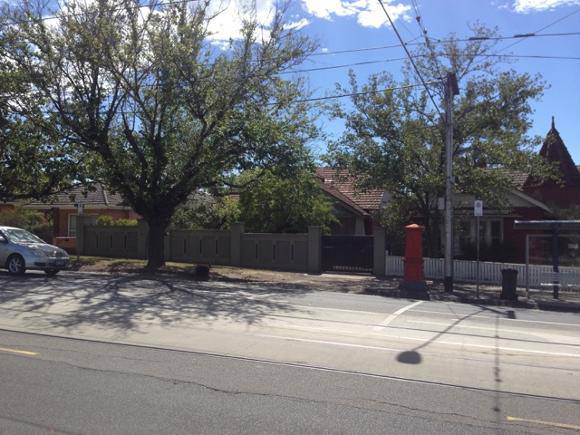
nos. 235 and 237 (paved in bluestone pitchers), and the early post box
outside 2 Fletcher Street. Key attributes that contribute to the significance of this precinct include: - the scale, form, siting, materials and detailing of the Significant
and Contributory houses The flats and houses at 191, 195, 201 and 215 Pascoe Vale Road,
non-original front fences, and non-original alterations or additions
to Contributory or Significant places are not significant (this
includes the alterations and new built elements at the rear of 193
Pascoe Vale Road).
How is it significant?
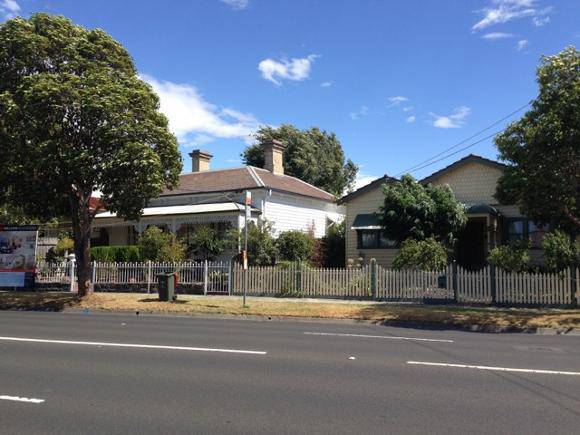
Why is it significant? It is architecturally and aesthetically significant as a fine
collection of Edwardian villas and Inter-war bungalows, many of which
are complemented by original front fences, and garden walls and
landscaping. The high quality of much of the housing and the high
degree of intactness to the original period of development is notable.
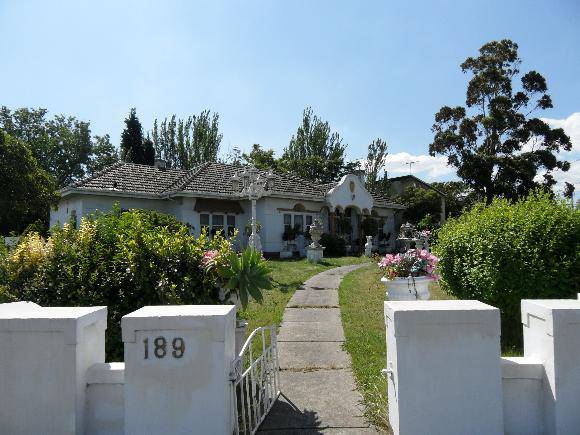
(Criterion E) The house at 189 Pascoe Vale Road is aesthetically significant as an
intact example of the Spanish Mission style. The asymmetric,
triple-fronted form with hipped roof massed like separate pavilions,
the dominant porch with a decorative Baroque-inspired parapet with a
scrolled cartouche above a triple-arched loggia with barley-twist
columns (smaller columns frame the blind window to the side of the
garage), and the Serlian moulding (with tiled detailing) above the
windows either side of the porch are all expressive of the style. The
house is also of architectural significance for including an
integrated garage, which is an early example, as most garages of the
pre-World War II period were freestanding (Criteria D & E). The house at 193 Pascoe Vale Road is architecturally and
aesthetically significant as a fine and early example of a California
Bungalow, which demonstrates the Japanese influence seen in seminal
examples in the United States designed by architects such as Greene
& Greene. It was constructed in 1916 and designed by architects
Gawler & Drummond. Of note is the low gable pitch with very wide
eaves, flat verandah roof with shaped rafter ends, resting on chunky
timber brackets and the use of single storey pavilions in front of a
two-storey mass, which is a very unusual composition in Victoria.
Other details of note include the heavy dwarf verandah posts with
timber corbels at base, casement windows with diamond leadlights and
Arts & Crafts floral highlights, timber shingles in gables resting
on timber corbels, and walls of roughcast render above a tuckpointed
red brick plinth. The significance of the house is enhanced by its
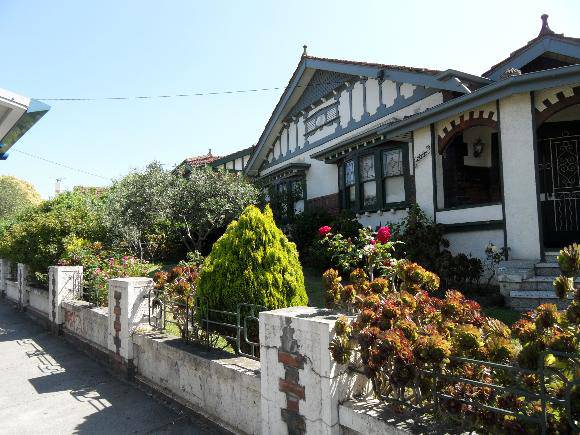
high degree of intactness. (Criteria D, E & F) The houses at 205 & 207 Pascoe Vale Road are of aesthetic
significant as fine and well detailed examples of Arts & Crafts
bungalows, constructed by the same builder (Shaw Bros.) with similar
detailing, but distinctive designs that are complemented by original
brick and render panel and pier front fences with decorative ironwork
and gates of identical design. No.205 is of note for the distinctive
Jerkinhead roof profile to both the roof and the porch, which is
double-arched and supported by square rendered columns with buttressed
corners and clinker brick highlights, while notable features of no.207
include the circular window placed at one corner with a shingled
canopy and the gable ends, which have taper-cut bargeboards and an
elaborate gable vent with louvered and lattice set inside a
Japanese-influenced aedicule set within a band of faux half-timbering,
suggesting timber post framing, and timber shingles in the apex, which
sit proud above small modillions. The significance of the houses is
enhanced by their high degree of intactness. (Criterion E)
The Pascoe Vale Road precinct in Essendon is a residential area that was
developed from c.1880 to c.1940 and contains predominantly Federation,
Edwardian and interwar houses and bungalows with two Victorian
houses.The following elements contribute to the significance of the
precinct:
- 189, 193, 197, 199, 203-213 &
217-237 Pascoe Vale Road, 20A Buckley Street, 1, 2 & 4 Fletcher
Street and 13 Loeman Street contribute to the precinct. The houses at
189, 193, 205 & 207 Pascoe Vale Road are also of individual significance.
- the high degree of intactness to the
development dates from the late Victorian to interwar periods
-
Significant and Contributory houses that typically survive with their
presentation to the street being largely intact
- the consistently
low height of front fences
- road alignments and allotment patterns
resulting from the nineteenth century subdivision
The Pascoe Vale Road precinct in Essendon is of local historic,
architectural and aesthetic significance to the City of Moonee Valley.
It is historically significant as a representative example of a
residential area, which is associated with the suburban development
and expansion of Essendon during the early twentieth century. The
nineteenth century houses are a reminder of the nineteenth century
origins of this area, while the Edwardian and inter-war housing
provides a tangible illustration of how the opening of the electric
tram in 1906 stimulated residential development along its route.
(Criteria A & D)
Group
Residential buildings (private)
Category
Residential Precinct