
| Back to search results » | Back to search page » |


|
PIONEER STORE
Other NameShop Location187 BUCKLEY STREET, ESSENDON, MOONEE VALLEY CITY LevelIncluded in Heritage Overlay |
|




Statement of Significance
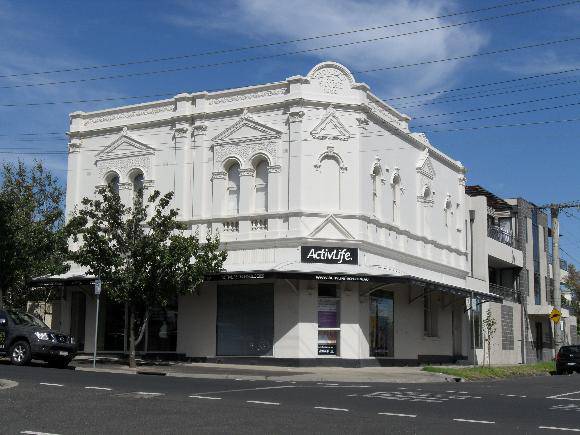
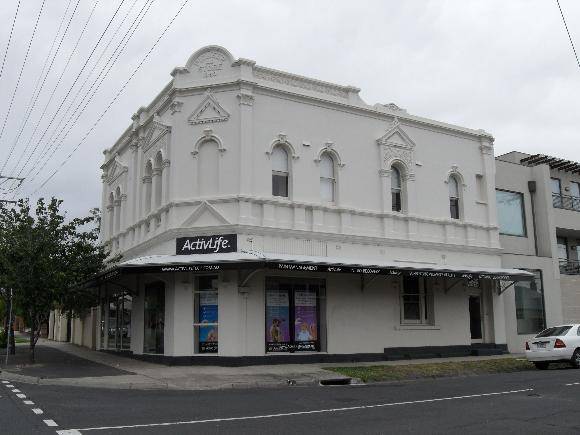
What is significant? The building comprises a pair of rendered two-storey shop-residences
with extensive cast-cement ornament to the openings and the parapet,
as well as Corinthian pilasters dividing the two shops. The corner
shop had its entry at the splayed corner, above which is a curved
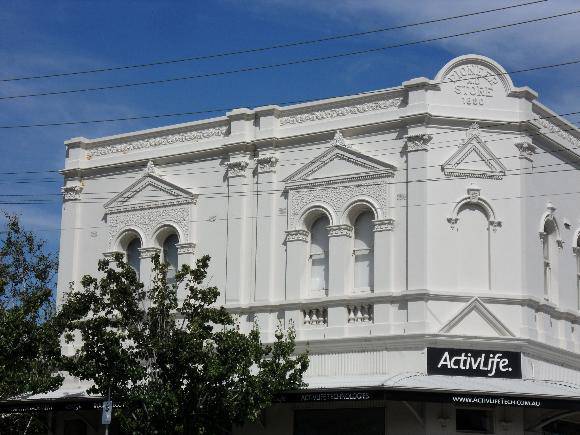
pediment to the parapet, displaying the words 'Pioneer Store AD 1890'.
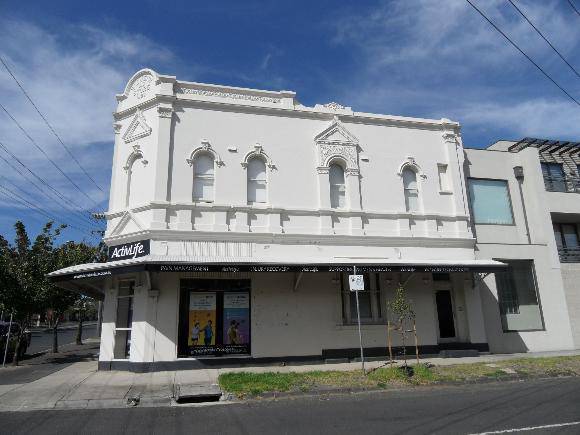
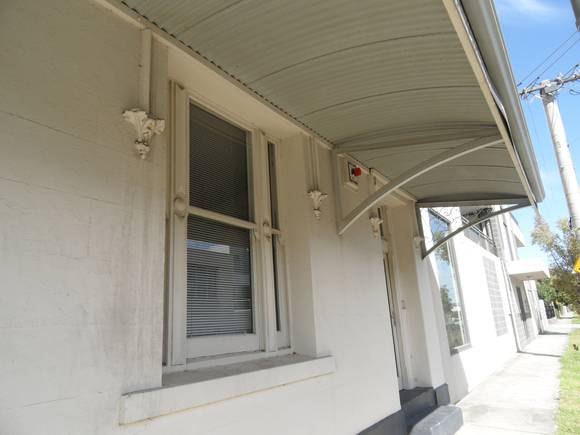
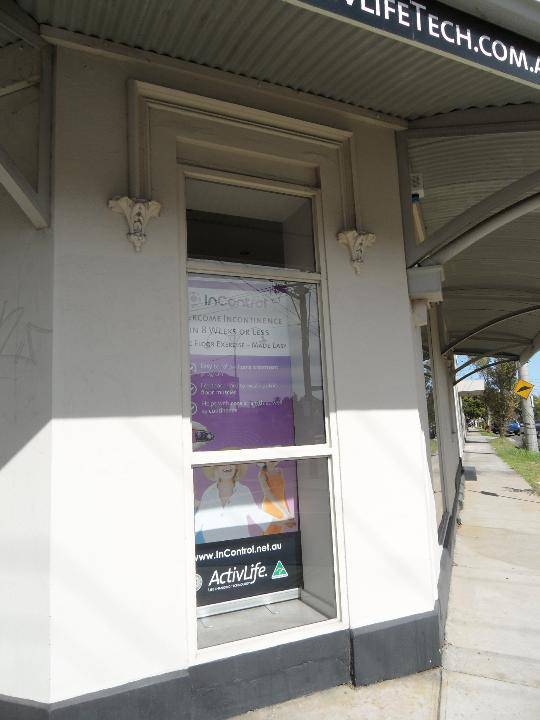
There is a residential window and door at the south end of the
Clarinda Road elevation. The modern flats to the rear, at 1A Clarinda Road, are not significant.
How is it significant?
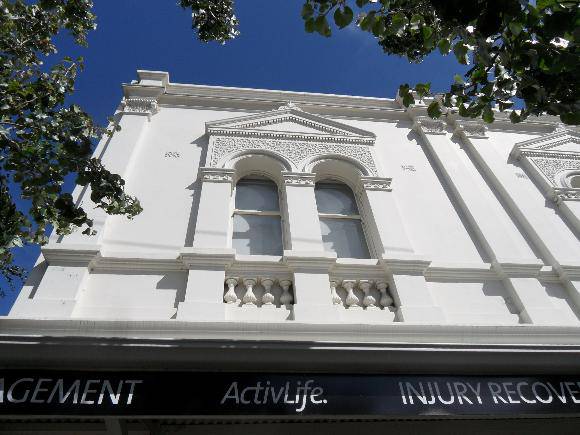
What is significant? It is architecturally/aesthetically significant for its extensive
classical cast-cement ornament to the two street elevations. Notable
details include arched windows in pedimented aedicules with
vermiculation in the spandrels and a blind balustrade below, the
arched windows with keystone and hood mould with decorative bosses to
ground-floor and first-floor windows, and the rinceaux frieze to the
parapet. (Criterion E)
The 'Pioneer Store' at 187 Buckley Street, Essendon, is
significant. The two shops with residences above were built in 1890-91
for grocer Alexander Semple to serve the new residents of the Locke's
Paddock estate, established in 1885. It remained the only shop on
Buckley Street west of the railway line until at least 1910.
The 'Pioneer Store' is of local historical and
architectural/aesthetic significance to the City of Moonee Valley.
It is historically significant as the first commercial building on
Buckley Street to the west of the railway line, as such it is a
tangible reminder of the speculative land boom that took place in the
City of Essendon in the 1880s. While many areas, such as Locke's
Paddock, were subdivided at the time, many areas of Essendon only
began to develop before the 1890s depression brought it to a halt. The
optimism of the pre-depression years is visible in the grand design of
the 'Pioneer Store', which is fit for a major commercial boulevard,
but ended up the only commercial building in the area for another 20
years. The 'Pioneer Store' also demonstrates a bygone aspect of
pre-WWII life: Prior to widespread car ownership and home
refrigeration, neighbourhood corner stores were an important amenity
in residential areas, where day-to-day needs could be purchased.
(Criterion A)
Group
Retail and Wholesale
Category
Shop