
| Back to search results » | Back to search page » |


|
EDRINGTON
Location6 MELVILLE PARK DRIVE BERWICK, CASEY CITY
File NumberPL-HE/03/0259LevelRegistered |
|




Statement of Significance
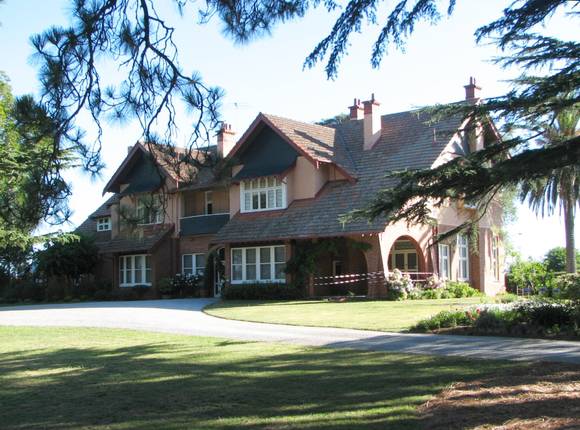
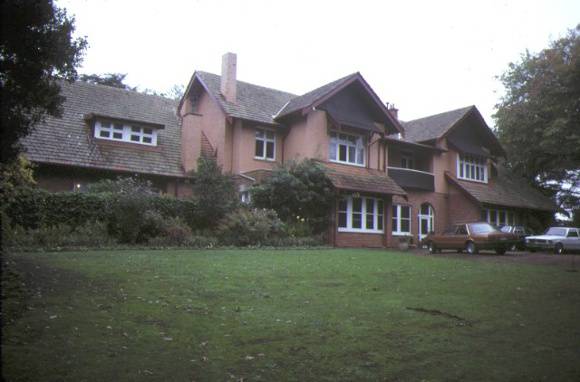
Edrington was built in 1906-07 for the West Australian pastoralist
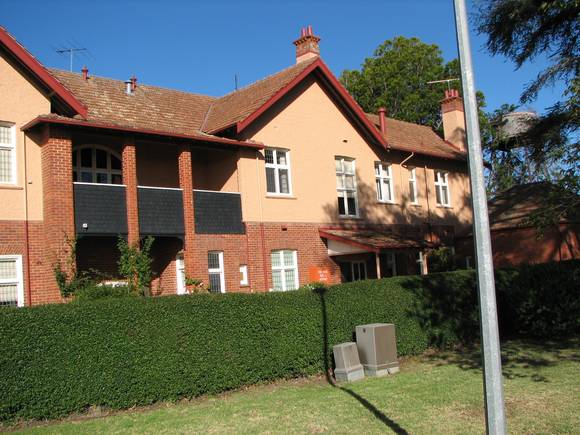
Samuel P McKay. It was designed by Rodney Alsop in 1906. It is a
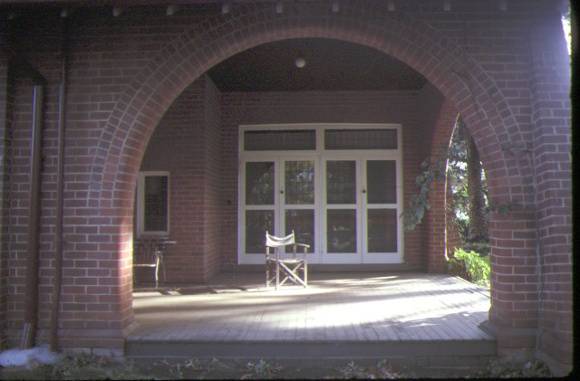
two-storey red brick example of the English vernacular style with some
reference to the Queen Anne style. Amongst his subsequent achievements
were the T & G Buildings in Melbourne and elsewhere in Australia
and New Zealand and the Hackett Memorial Building of the University of
Western Australia. Previously the property was known as Melville Park. It had been owned
by Captain Robert Gardiner. He sold it to James Gibb who planted many
of the surviving trees. The property at that time was used as a stud
and for cropping. Gibb was a local Councillor in the Shire of Berwick
and was Shire President six times, State Member for Mornington 1880-86
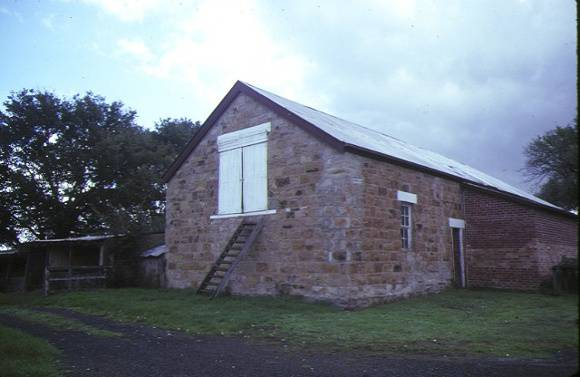
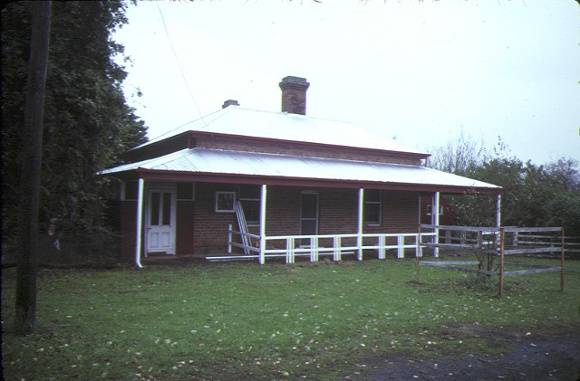
and Federal MHR for Flinders 1903-06. Although the barn and shearing
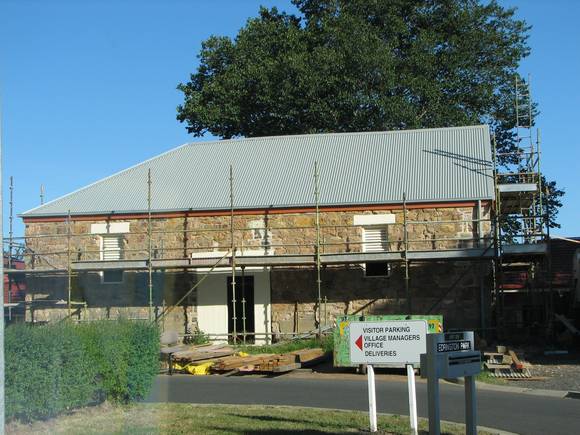
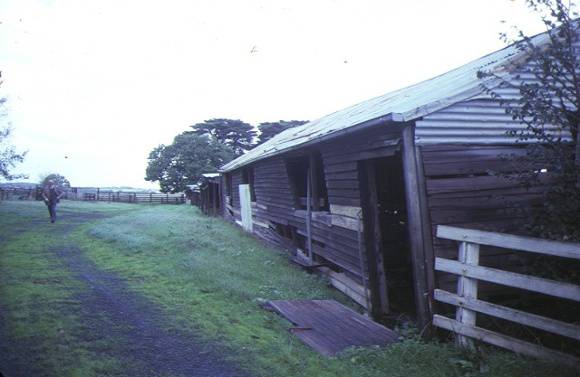
shed have been demolished, the former stables and a brick cottage
still survive from this period. Ethel Marian Sumner (Maie) Casey was descended from early Victorian
pastoral pioneers. She was notable in her own right as an artist,
author and aviator. Her book, written with five others, Early
Melbourne Architecture, was seminal in the founding of the National
Trust and the conservation movement in general. The Caseys were responsible for alterations to the house and
out-buildings which reflected their interests and lifestyle.
Andrew Spence ('A.S.') Chirnside
purchased the property in 1912 and renamed it Edrington after a family
property in Scotland when it comprised over 1000 acres. The property
passed on to his niece and nephew, Maie Casey and Rupert Ryan, in
1934. Ryan was the Member for Flinders between 1940 and 1952.On his
death in 1952 his interest in Edrington passed to Mr Donn Casey.
Through a subsequent subdivision Edrington became the sole property of
Lady Casey. Both Lord and Lady Casey were distinguished Australians.
Richard Gardiner Casey (1890-1976) served in the AIF and then worked
as a mining engineer. He was the Australian liaison officer in London
from 1924. In 1931 he was elected MHR for Corio becoming Federal
Treasurer in 1935 and later Minister for Supply during World War II.
His appointment as Minister Plenipotentiary in Washington in 1940
initiated Australia's formal diplomatic representation overseas. He
was a member of the British war cabinet. In 1944 Casey became Governor
of Bengal. He re-entered Federal Parliament as MHR for Latrobe in1949
and was Minister for External Affairs from 1951-1960. He was appointed
Governor-General of Australia in 1965 after receiving the first life
peerage outside the UK.
Group
Farming and Grazing
Category
Barn