
| Back to search results » | Back to search page » |


|
WRECK BELL
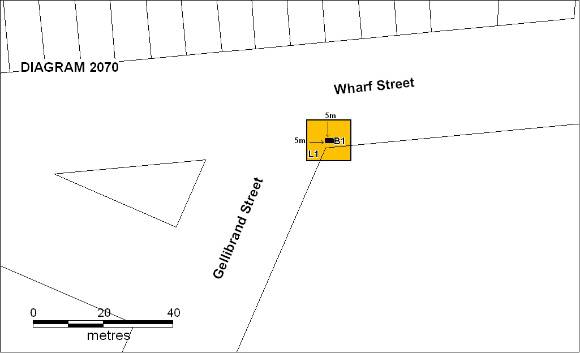
LocationPRINCES PARK, CNR WHARF STREET AND GELLIBRAND STREET QUEENSCLIFF, QUEENSCLIFFE BOROUGH
File NumberPL-HE/03/0153LevelRegistered |
|




Statement of Significance
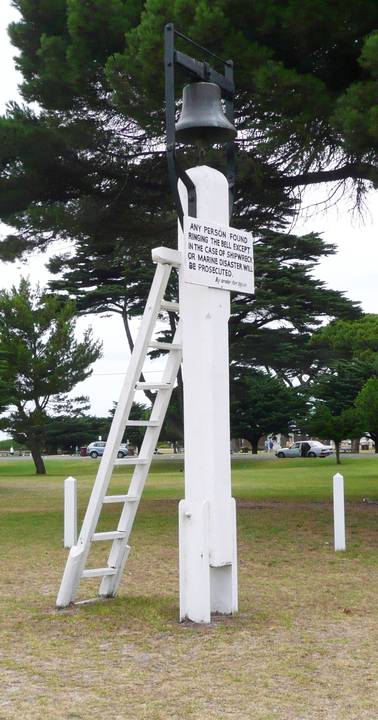
What is significant? The Wreck Bell was used to call the crew on many occasions, the last being in 1974 when they were called out to a fire on the vessel Brisbane Trader.
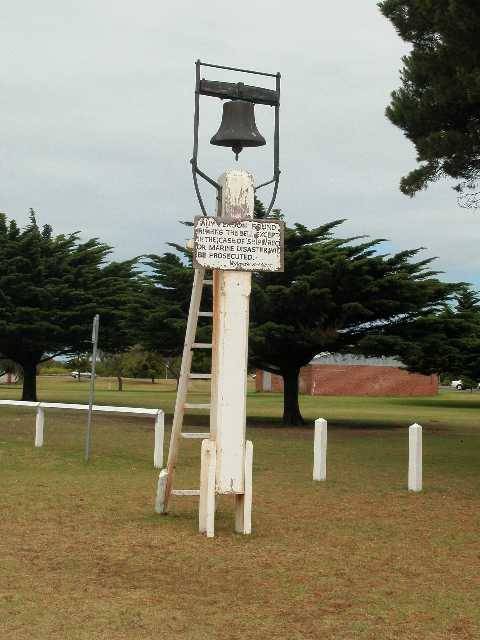
The bell, still in its original location, is mounted on a two metre high square timber post, which is supported and bolted to two upright rectangular timbers embedded into a rectangular platform base. At the top of the post, a bifurcated yoke belfry surrounds the bell. Below this, attached to the post on the western side, is a sign which reads "Any person found ringing this bell except in the case of shipwreck or maritime disaster will be prosecuted". The bifurcated yoke structure housing the Wreck Bell, along with the bell, platform base, and ladder are original. How is it significant? Why is it significant? The Wreck Bell is of historical significance as one of only two extant wreck bells in Victoria. The other wreck bell, located at Lakes Entrance and built in 1881, is of a different construction method. The Queenscliff bell is the only example of a wreck bell with a bifurcated yoke structure in the state, the only other example known to have existed was erected at Port Fairy in 1884. The Wreck Bell has social significance to the local community, especially the fishing community, many of whom can demonstrate generations of family members serving as the lifeboat crew.
The Wreck Bell was a facility provided by the Ports and Harbours Branch to summon the crew of the Queenscliff lifeboat in times of a maritime disaster. The bell was cast by John Danks & Son, Melbourne, and the supporting structure erected by William Golightly (Jnr) in September 1891. It was placed in Lower Princess Park close to the residences of the fishermen who generally formed the crew of the lifeboat. The head of the lighthouse service was automatically the lifeboat's coxswain. When the lifeboat was required for assistance in a maritime emergency such as a search and rescue involving a shipwreck, the bell was rung to alert the voluntary crew. Prior to 1891, analarm bell mounted on the Signal Mastat Shortland Bluff was rung by the Signal Master to call out the lifeboat crew.
The Wreck Bell is of historical and social significance to the State of Victoria.
The Wreck Bell is of historical significance for its associations with the maritime history of Victoria. As an essential maritime facility involved in many shipping emergencies, the bell reflects the historical development of the port of Melbourne and the level of its shipping activity. The bell was rung every time the lifeboat was used for a major shipwreck in the Port Phillip Heads area from 1894 to 1974. Many of these wrecks were of interstate and international origins.
Group
Maritime Industry
Category
Other - Maritime Industry