
| Back to search results » | Back to search page » |


|
SEE YUP TEMPLE
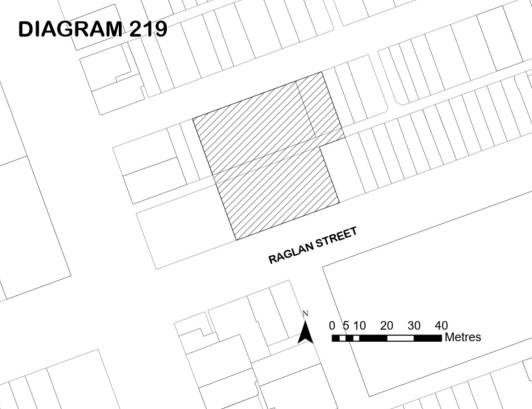
Other NamesTEMPLE , SEE YUP KUAN TI TEMPLE , SEE YUP SOCIETY TEMPLE , SEE YUP TEMPLE , CHINESE TEMPLE Location76 RAGLAN STREET AND 141–143 COBDEN STREET SOUTH MELBOURNE, PORT PHILLIP CITY
File Number603693LevelRegistered |
|





Statement of Significance
See Yuo Temple is located on Bunurong Country.
What is significant?
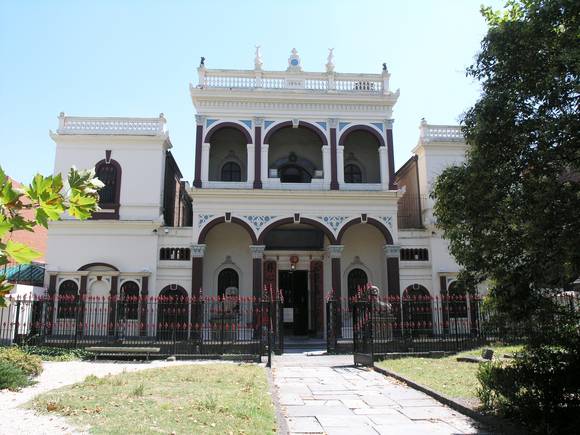
The See Yup Temple complex comprises Classical Revival buildings designed by George Wharton in 1866, the 1901 Ancestral Hall designed by Harold Desbrowe Annear in the Arts and Crafts style, both the 2002 Ancestral Hall and 2003 Kwan Yum Pavilion designed by architect Cheung Sui Fung and an open space to the south of the buildings established between 1867 and 1894.
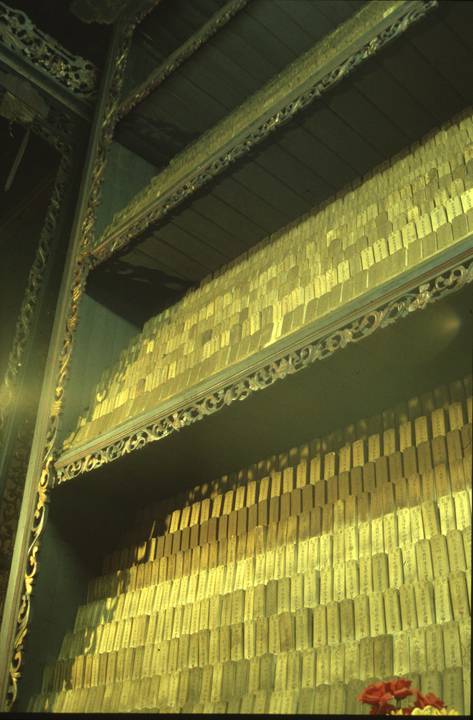
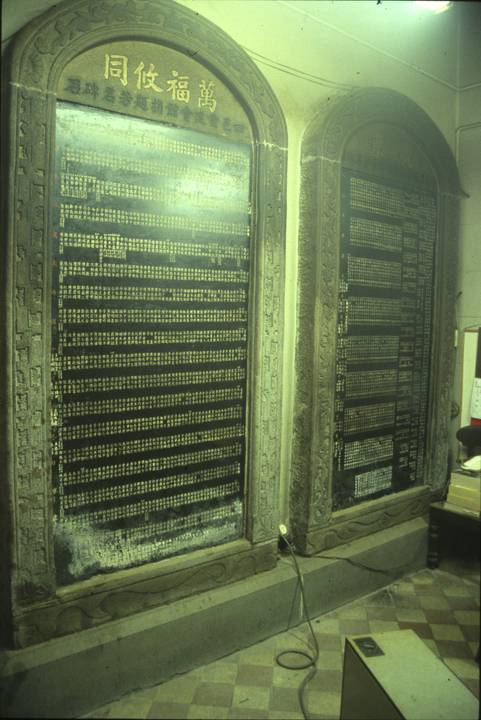
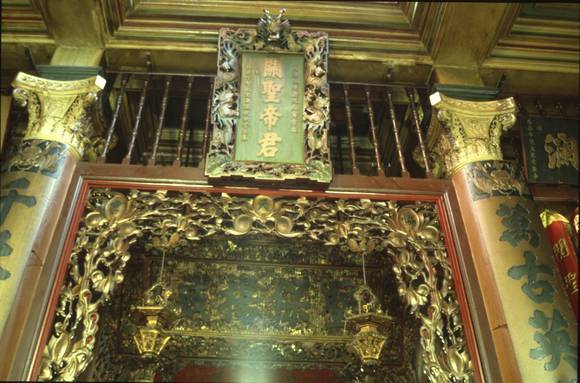
The 1866 buildings consist of three halls (separated by open passageways), a kitchen, storage room, toilet building and courtyard. The central Kwan Tai Hall is the principal entry to the temple complex and is dedicated to the worship of Kwan Tai and Tai Sui. In the hall to the west of the Kwan Tai Hall, the ground floor is dedicated to Choi San, God of Wealth, and upper floor (closed to worship) is dedicated to Tsi Mei. The 1866 Ancestral Hall, to the east, is the first of three ancestral halls for the worship of ancestors and contains over 7,000 spirit tablets for ancestors who are believed to have died before 1901 when a newer hall was constructed.
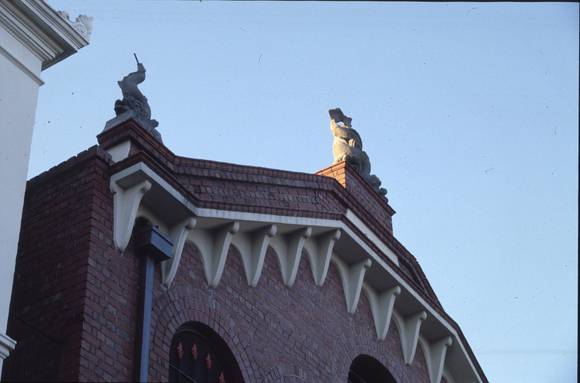
Located east of the 1866 buildings, and linked to it through an open passageway, is the 1901 Ancestral Hall. The 2002 Ancestral Hall is the next building to the east. It was constructed to house the spirit tablets of those who do not trace their ancestry to the Siyi area (‘Four Counties’) in Guangdong province, China.
The 2003 Kwan Yum Pavilion is dedicated to the worship of Kwan Yum, the Goddess of Mercy and Compassion, was designed by architect Cheung Sui Fung and is located within the western, 1866 walled courtyard.
To the south of the buildings, across the narrow, unnamed bluestone lane, is an open space addressing Raglan Street with a paved path running north to south and enclosed by cast iron fences and gates on the north and south sides and brick walls to the east and west.
How is it significant?
The See Yup Temple is of historical, aesthetic and social significance to the State of Victoria. It satisfies the following criterion for inclusion in the Victorian Heritage Register:
Criterion A
Importance to the course, or pattern, of Victoria’s cultural history.
Criterion B
Possession of uncommon, rare or endangered aspects of Victoria’s cultural history.
Criterion D
Importance in demonstrating the principal characteristics of a class of cultural places and objects
Criterion G
Strong or special association with a particular present-day community or cultural group for social, cultural or spiritual reasons.
Criterion H
Special association with the life or works of a person, or group of persons, of importance in Victoria’s history.
Why is it significant?
The See Yup Temple was the most important centre of Chinese worship in Victoria in the nineteenth century. It is a notable part of the history of the Chinese people in Victoria and has been in continuous use since 1854. The place is historically significant as a centre for worship and support for visitors, migrants and residents with Chinese ancestry from the nineteenth century through to the present day, allowing communities to maintain their spiritual and cultural traditions in a new land.
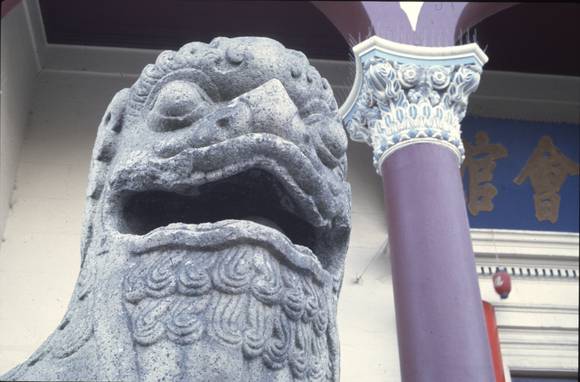
(Criterion A)The See Yup Temple is uncommon for its unique and well executed combination of European architectural styles with Chinese temple spatial hierarchies and decoration, as well as for the grand scale of its masonry architecture. It is also rare for the intactness of its interior fixtures and decoration dating from its construction in 1866 and 1901.
(Criterion B)The See Yup Temple is a fine example of a temple that has a clear association with the long history of Chinese migration, settlement and the relocation of their spiritual practices to Victoria. The place demonstrates many characteristics of places of worship including shrines and ancestral halls in Southern China and the broader Chinese diaspora. The characteristics of the class can be seen in the floor plan of the place, and the spatial arrangement and hierarchy of buildings and spaces enabling the class to be easily understood. In addition, the interiors embody the fine and skillful use of Chinese temple joinery techniques along with free form carving and gilding of plants, creatures and people in their decoration.
(Criterion D)The See Yup Temple is socially significant for its ongoing use by people with Chinese ancestry as a place for prayer, ritual, memorialising and community gathering, and by all Victorians as a place of worship and celebration at the Lunar New Year.
(Criterion G)The See Yup Temple is significant for its association with the See Yup Society, the second oldest Chinese organisation in Australia, the oldest being the Kong Chew Society which is one of the four societies that make up the See Yup Society. The Society built, maintain and own the temple and have provided support to the Chinese and Australian communities since its inception in 1854.
(Criterion H)
Group
Religion
Category
Temple