
| Back to search results » | Back to search page » |


|
ST LUKES CHURCH
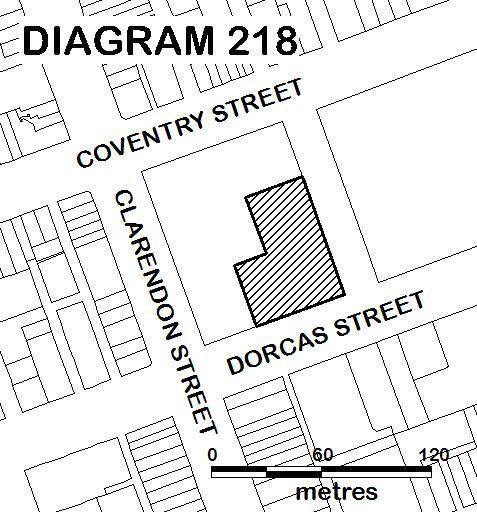
Other NameST LUKE'S Location210 DORCAS STREET SOUTH MELBOURNE, PORT PHILLIP CITY
File Number606735LevelRegistered |
|




Statement of Significance
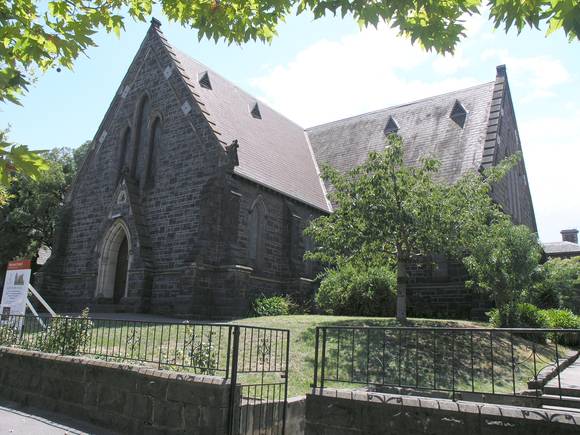
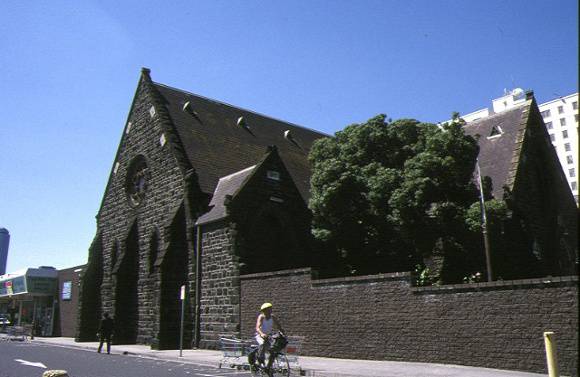
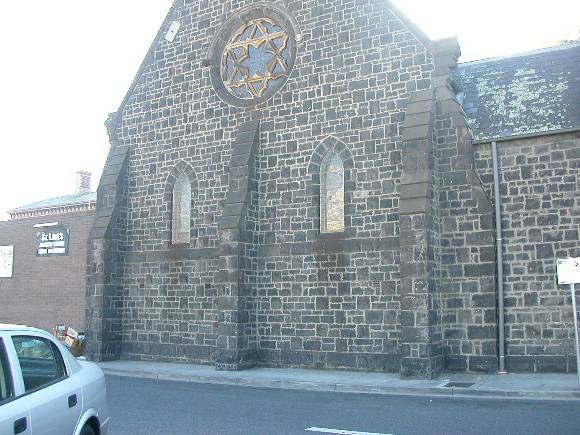
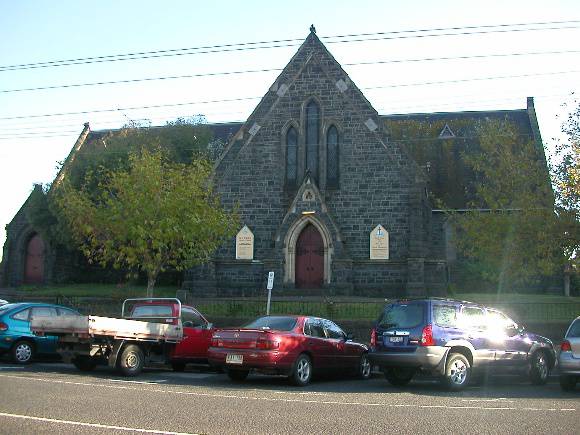
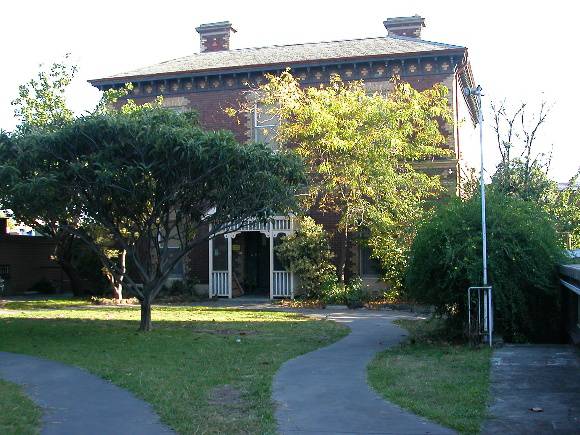
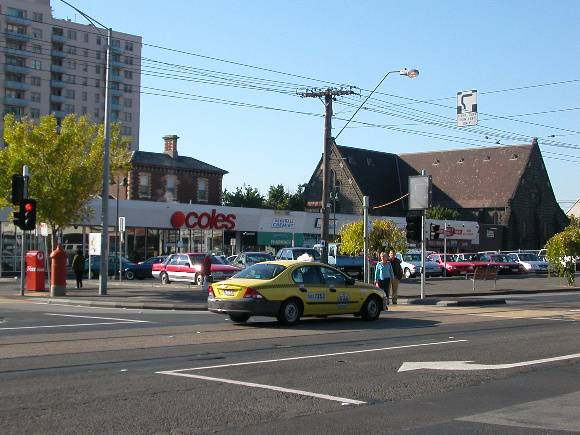
What is significant? The church initiated a retail development on the Clarendon Street frontage of their property in 1881, and this resulted in the relocation of the front porch of the church from Clarendon Street to Dorcas Street. As a result, the church approach and entry were reorientated from the west to the south. The existing church is cruciform in plan, built in bluestone and designed in an Early English Gothic manner. The simple exterior of rock-faced ashlar and bluestone and freestone dressings, incorporates stepped buttresses and lancet windows with label moulds, and a slate roof with simple gable vents. Differences in detailing distinguish the earlier work from that executed later. The interior of the church features a hammer beam ceiling and some intact ecclesiastical fittings. The organ, rebuilt in 1937 by Fincham and Sons and placed in the south transept, was originally built in 1865 by London organ builder, John Courcelle and exported to Victoria. Although greatly altered, the central case facade with Gothic gables has been retained. The adjacent vicarage is a large two storey, polychromatic brick building with hipped slate roof and decorative timber eave brackets. The main facades are symmetrical, incorporating three rectangular window openings at both levels, and contrasting cream and red brickwork is used to highlight corners and openings, and differentiate the two levels of the building. Retail development has continued to take place along the Clarendon Street frontage of the church property, restricting the view of the church buildings from the west and north. Later church related buildings have been constructed along the eastern boundary of the property. How is it significant? Why is it significant? St Luke's Church is of historical significance as one of the first substantial buildings erected in South Melbourne, the development of which was greatly effected by the increase in Melbourne's population as a result of the Victorian gold rush. It remains as an illustrative example of the development of South Melbourne in this early period. St Luke's Church is of historical significance for its associations with the early development of the Anglican church in Victoria. [Online Data Upgrade Project 2005]
Members of the Church of England met at South Melbourne, then known as Emerald Hill, as early as 1854 and a reserve at the corner of Dorcas and Clarendon Streets was set aside for this church in the original township plan of 1852. St Luke's Church of England was subsequently built on this prominent site in 1857. Designed by Francis M. White, the nave, with front porch to Clarendon Street, was built initially, and further extension work was carried out in 1859. The architect Charles Webb added transepts to the church in 1862, made further additions in 1867 and called tenders for the construction of a vicarage, located north of the church, in 1874. N. Billing and Son were also involved with work at the church in the 1880s, including the design of a cedar pulpit.
St Luke's Church complex, South Melbourne is of architectural and historical significance to the State of Victoria.
St Luke's Church is of architectural significance as an important and scholarly work of early Melbourne architect, Francis M. White. Built on a prominent site in Clarendon Street, it was an early landmark in the area . The polychromatic vicarage, by well known Melbourne architect, Charles Webb, adds to the integrity of the site.
Group
Religion
Category
Church