
| Back to search results » | Back to search page » |


|
THE AUSTRALIAN CLUB
Location98 - 110 WILLIAM STREET AND 475-485 LITTLE COLLINS STREET MELBOURNE, MELBOURNE CITY
File Number601873LevelRegistered |
|




Statement of Significance
What is significant?
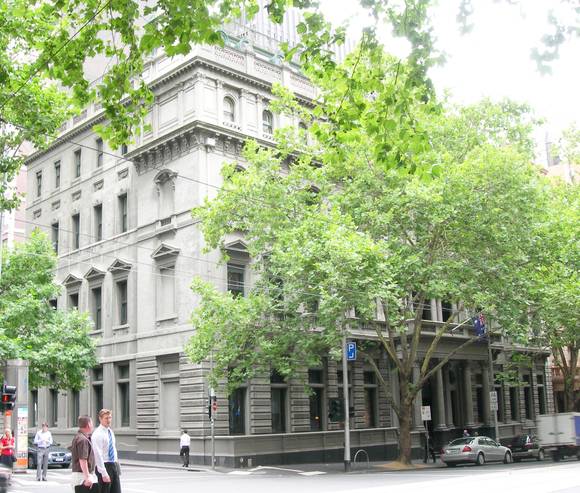
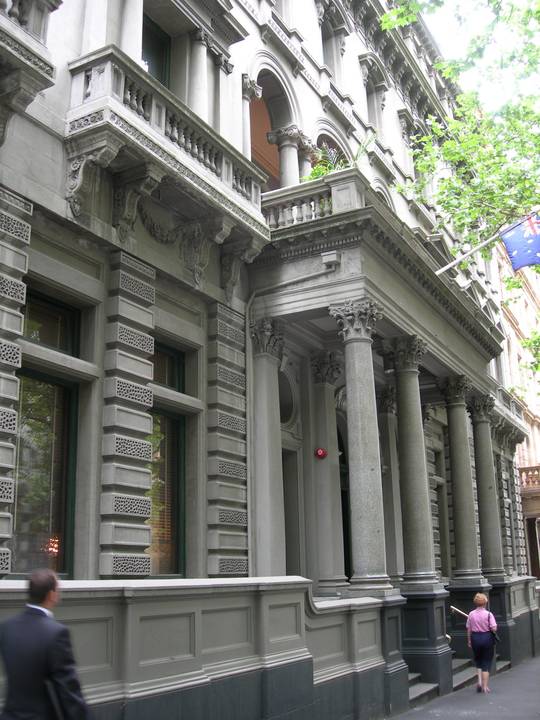
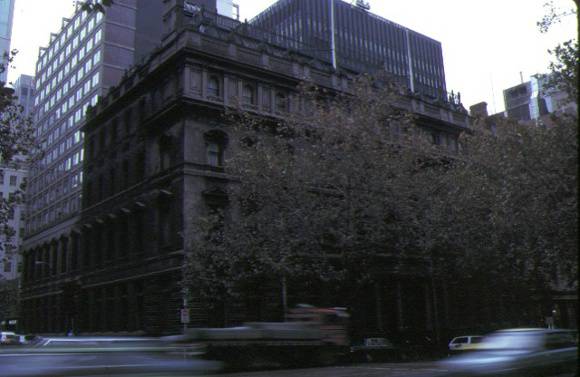
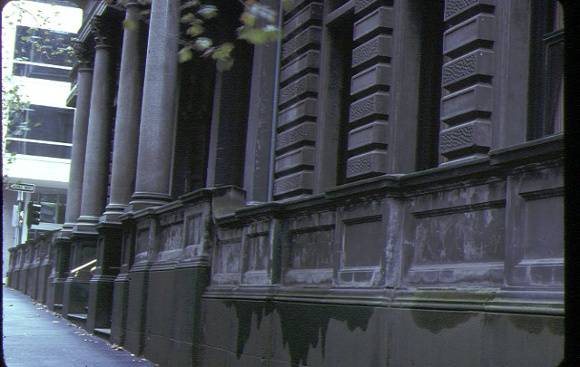
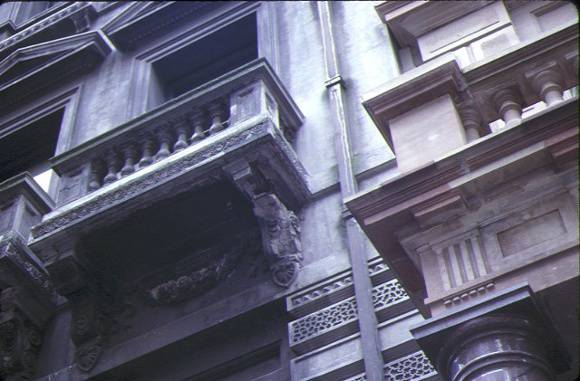
The Australian Club, 110 William Street, was founded in 1878. The present clubrooms were erected in three stages and comprise four storeys with a basement and attic. Construction is of rendered brick on a bluestone base. Lloyd Tayler, himself a member of the club, was the architect for the first two stages erected in 1879 and 1884, comprising the William Street frontage. In 1885 Tayler fell out with the club and was asked to leave. In 1886 the facade was extended to double its original size to designs by architect J Charlesworth. The new work cost 10,000 pounds, and placed a great financial burden on the club, especially when membership numbers dwindled during the economic depression of the 1890s. The symmetrical facade is thinly rendered and draws heavily on the architecture of the Renaissance for its styling, including a rusticated base and pedimented window hoods. The balustraded parapet hides the steeply pitched slate clad roof and cupola with lace iron decorating the ridges. Internally there is lavish decoration, an intricate mosaic floor, ornamented timber panelling and a grand five metre wide marble stair with wrought iron lamp standards. The vast ground floor dining room, approximately 30 metres long by 15 metres wide, has stained oak Baroque fireplaces, Corinthian columns on marble bases, and an ornamental beam and plaster ceiling. The richness of decoration is continued into the private dining rooms, smoking room and billiard room. Membership of the Australian Club contrasted to membership of the Melbourne Club, the bankers and squatters who had formed the first elite in Melbourne society. The Australian Club gathered the new elites for its members: merchants, bankers, lawyers and squatters who made money from the rise of 'marvellous Melbourne'.
How is it significant?
The Australian Club is of historical and architectural significance to the State of Victoria.
Why is it significant?
The Australian Club is historically significant as one of Melbourne's most distinguished and exclusive institutions. The Australian Club has continuously occupied these premises for over a century, and in the nineteenth century was known as the domain of the wealthy squatters. Membership attracted men who had made money from the rise of Melbourne in the 1850s and 1860s and members came from a cross-section of the new business elites.
The Australian Club is architecturally significant as a notable example of the work of two architects, Lloyd Tayler and J Charlesworth. Most of the significant internal spaces and decoration were the work of Charlesworth. They are the grandest and most intact Victorian clubrooms in Australia, and far more opulent than the Melbourne Club designed by Leonard Terry more than twenty years previously. When completed, the Australian Club was the most imposing building in William Street and had a striking silhouette. Notable elements include the portico and loggia, which date from 1893, and the exotic roof and cupola. The magnificent interior is a superb example of Victorian taste and craftsmanship, centred around the grand marble staircase.
Group
Recreation and Entertainment
Category
Social Club