
| Back to search results » | Back to search page » |


|
BLOCK 19
Other NamesBONEGILLA ARMY CAMP , BONEGILLA MIGRANT CAMP , BONEGILLA MIGRANT RECEPTION CENTRE Location82 BONEGILLA ROAD BONEGILLA, WODONGA CITY
File Number607175LevelRegistered |
|




Statement of Significance
What is significant?
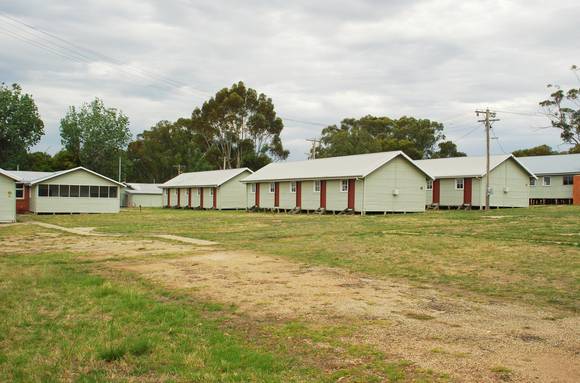
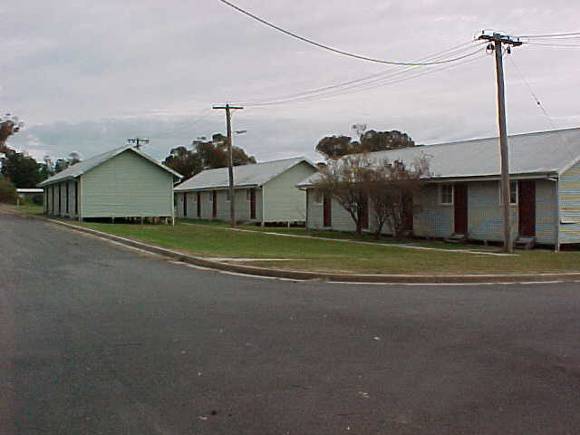
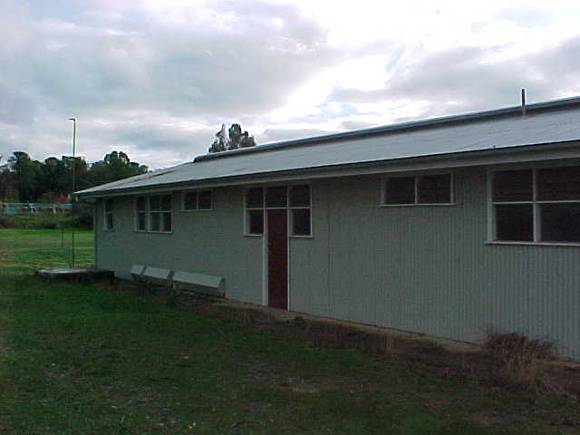
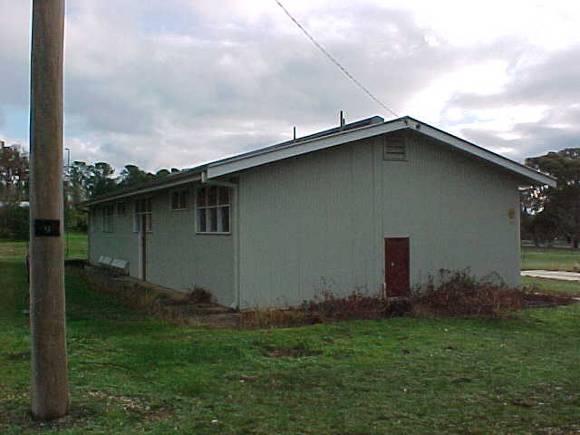
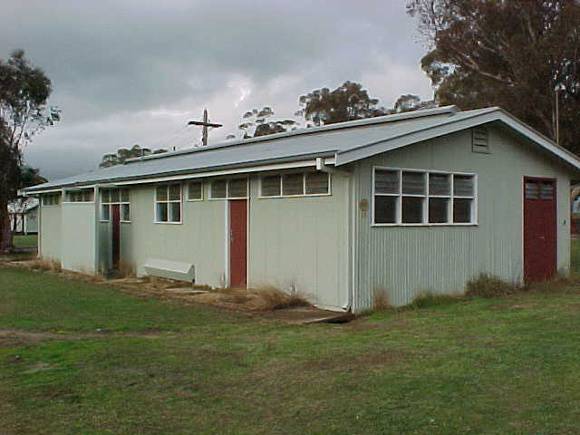
Block 19, a collection of timber and corrugated iron army huts, is the last remnant of the Bonegilla Army Camp, built by contract labour between July and September 1940, originally as 24 separate blocks and comprising more than 800 buildings. The camp was located on a site chosen for its proximity to the break in the rail gauge between Victoria and New South Wales, its proximity to the regional centre of Albury/Wodonga, and for its nearby water supply. For the rest of the wartime period the camp was altered and enlarged as circumstances required but retained its basic configuration. Block 19 was used during the war as an infantry officers' training school and a small arms school under the direction of Colonel EW Latchford MBE MC.
After the war the Australian Government embarked on an extensive immigration program which included for the first time migrants of non-British origin. Army camps across Australia were converted for use as migrant reception centres and Block 19 was one of the first to receive immigrants in 1947. Bonegilla became the central and most important camp in this program and by the time it ceased operation in 1971, about 320,000 immigrants had passed through its tin sheds.
In the late 1960s as emphasis of the immigration programme shifted away from one which required a concentration of accommodation, the Army was going through a period of expansion during the Vietnam War. As a consequence, those Bonegilla buildings no longer required by the Department of Immigration were taken over by the Army. From 1967 to 1985 Block 19 was used as a cookery school and then as a mapping unit. After 1985 the Army only occasionally used the buildings because the construction of the nearby Latchford Barracks rendered them obsolete.
How is it significant?
Block 19 of the former Bonegilla Migrant Reception Centre is of historical and social significance to the State of Victoria.
Why is it significant?
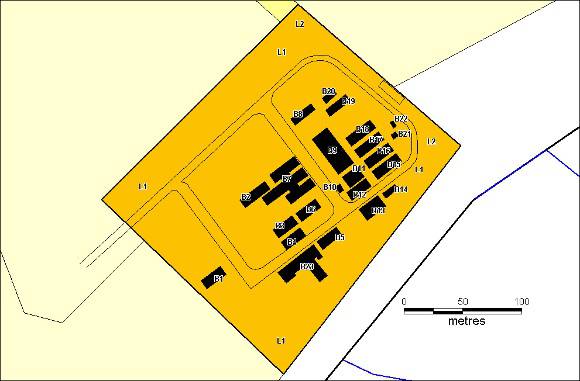
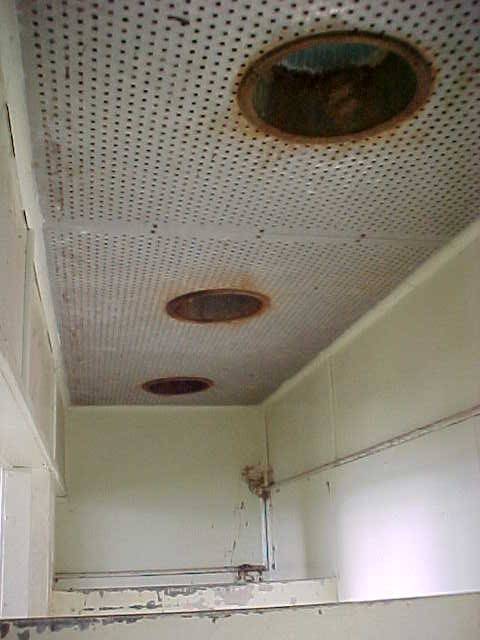
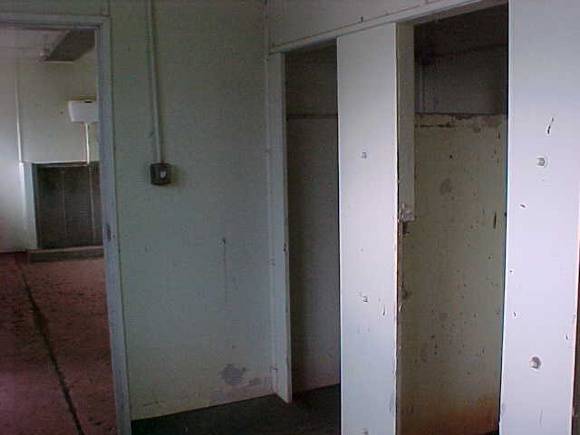
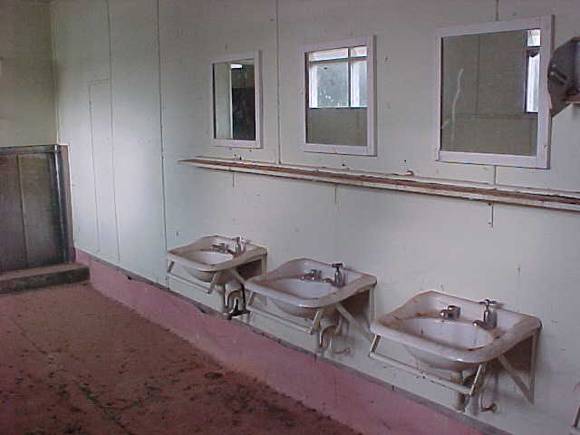
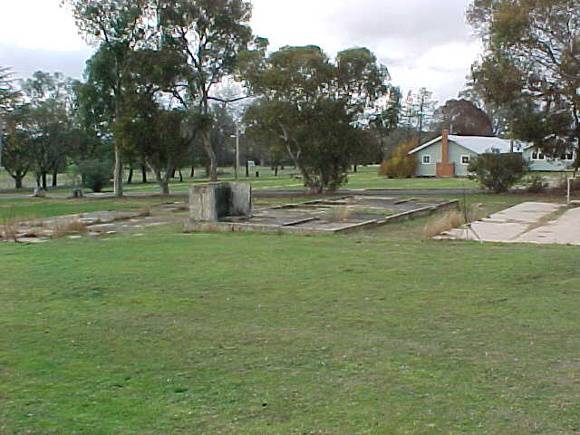
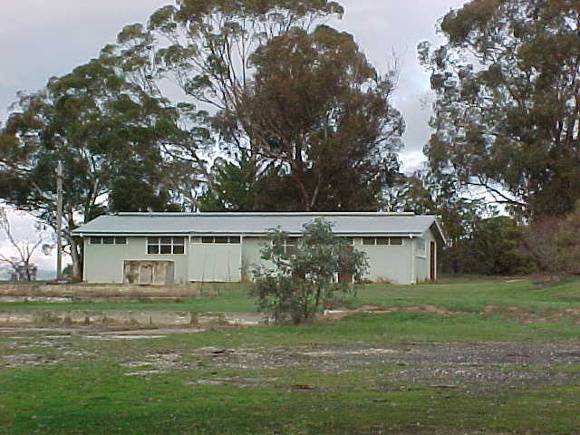
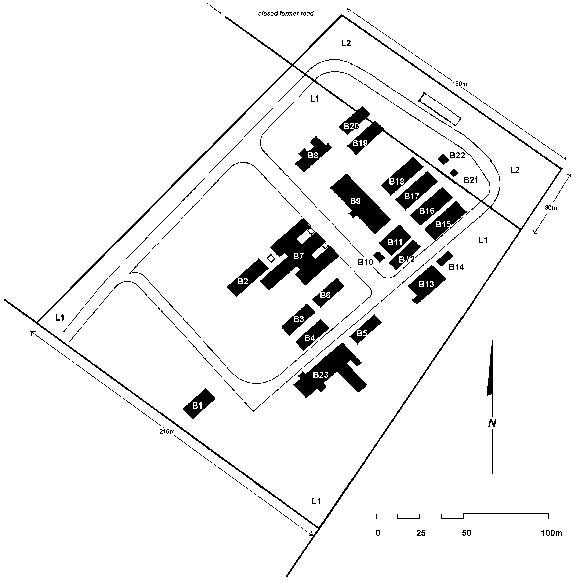
Block 19 is of historical and social significance for its central role as part of the former Bonegilla Migrant Reception Centre in the most far reaching demographic change in Australia after the Gold Rush - the post Second World War immigration programme. It was the first, the last and the largest migrant reception centre in a system of camps in all States. Block 19 has the capacity to demonstrate to all Australians the physical environment faced by the hundreds of thousands of migrants who were accommodated in the former army camps utilised as Reception and Training Centres. With its simple and spartan military buildings, its grid layout and its typical plantings of native and exotic trees, it is crucially significant as the last surviving touchstone of the immigrant experience at Bonegilla.
The Block 19 Precinct is historically significant as a now rare remnant of the expansionist phase of defence building activity which took place at the commencement of the Second World War. It was one of 24 separate accommodation blocks which formed the Bonegilla Army Camp and the camp itself was part of a wider network of camps which included Enoggera in Queensland, Holsworthy in New South Wales, Puckapunyal in Victoria, Northam in Western Australia and Woodside in South Australia. Block 19 is also significant as a remnant of the logistical and organisational expansion of the Army during the Vietnam War.
Group
Military
Category
Military Camp