
| Back to search results » | Back to search page » |


|
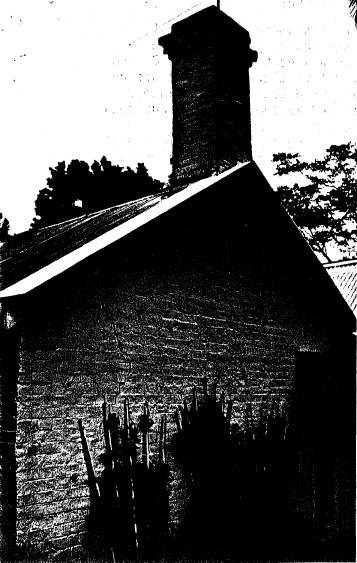
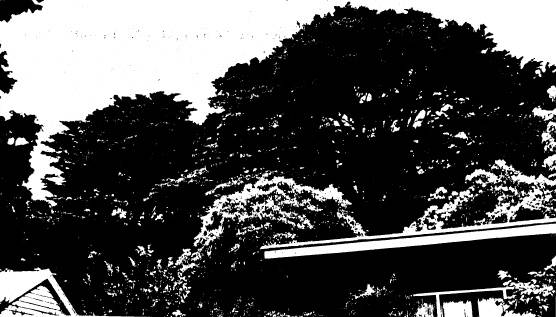
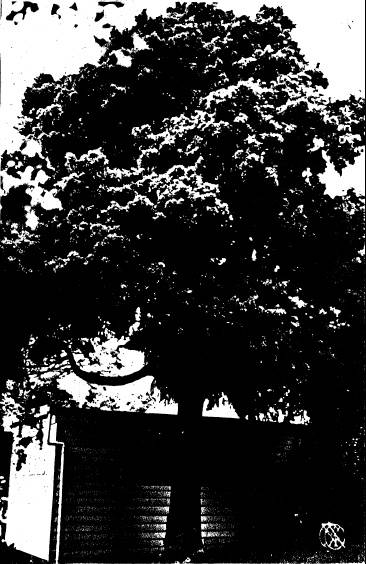
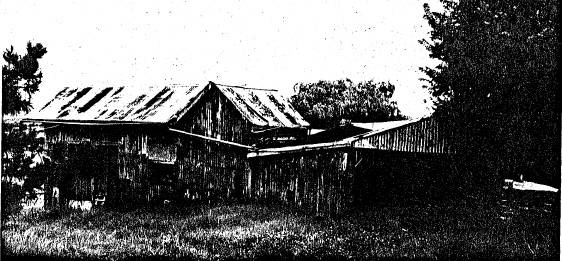
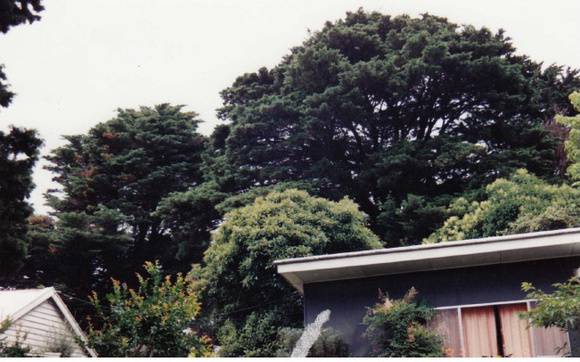
GARDEN HILL AND SHEARING SHED ON ADJACENT PROPERTY, ELTHAM-YARRA GLEN RD
Location425 ELTHAM-YARRA GLEN ROAD KANGAROO GROUND, NILLUMBIK SHIRE LevelIncluded in Heritage Overlay |
|





Statement of Significance
REVISED STATEMENT OF SIGNIFICANCE, CONTEXT, 2010 What is significant?
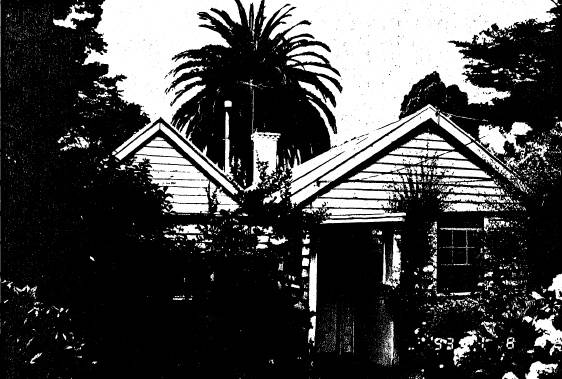
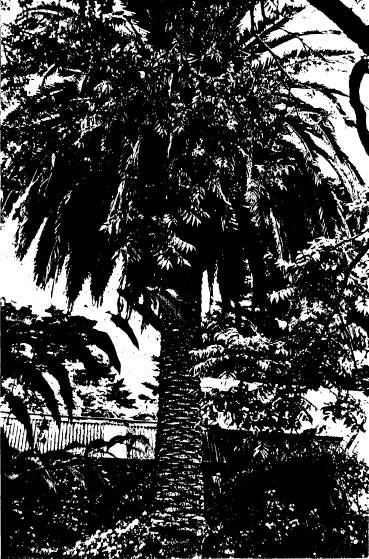
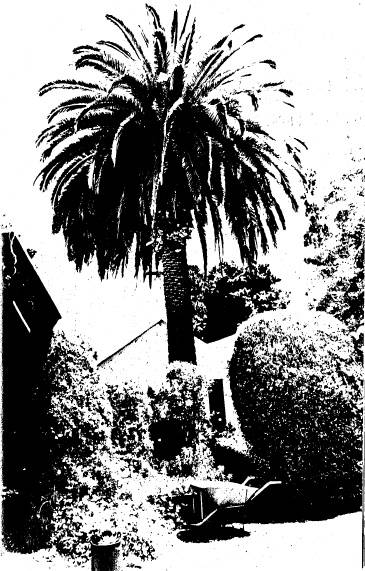
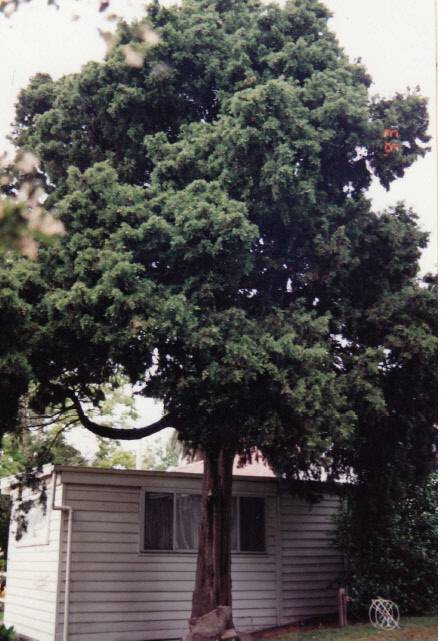
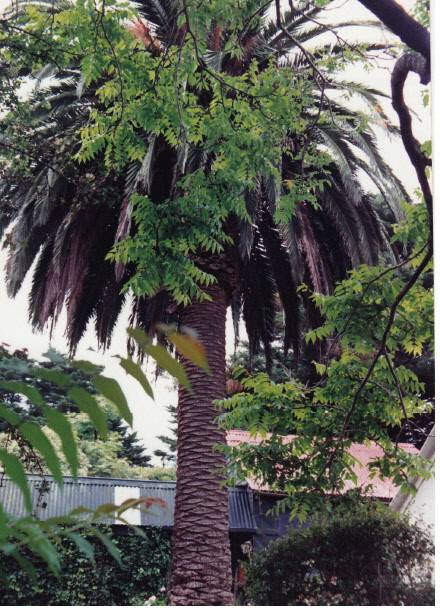
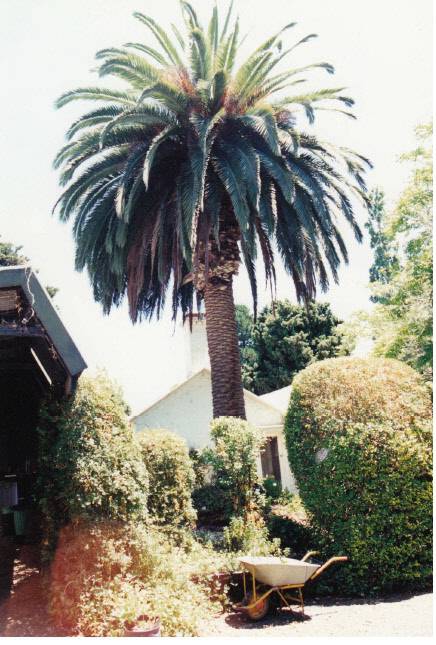
How is it significant? The Canary Island Palm is historically and aesthetically significant to the Shire of Nillumbik.
Why is it significant? The Canary Island Palm is historically significant because it is associated with Sir Henry Gepp (Criterion H). The Palm is aesthetically significant because it is a large example within the Shire (Criteria B & E).
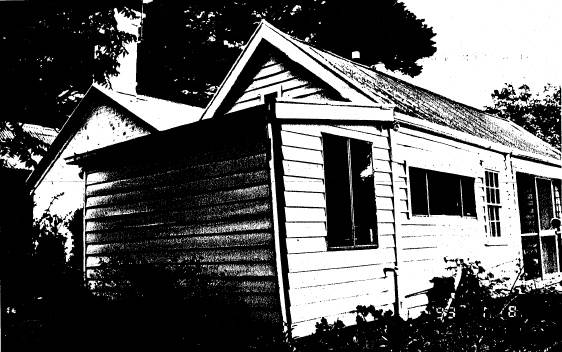
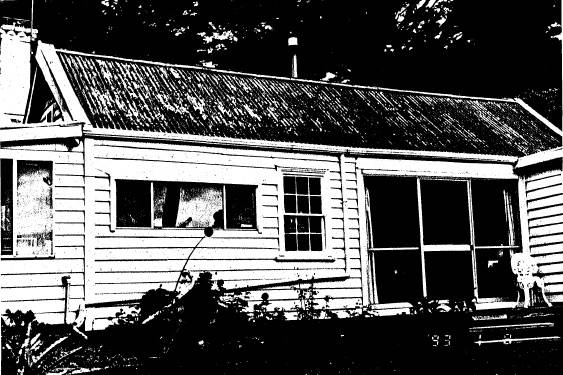
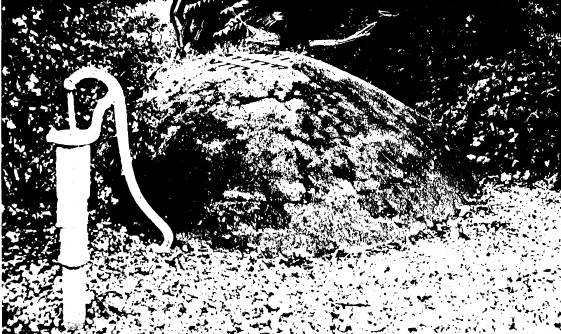
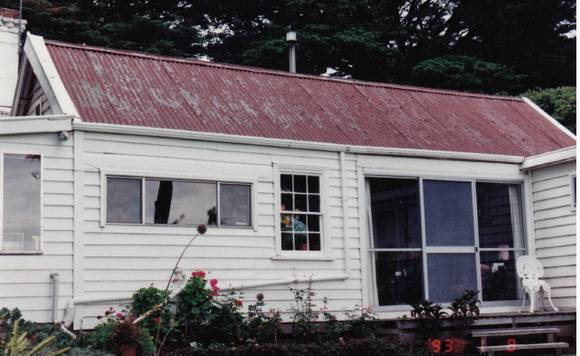
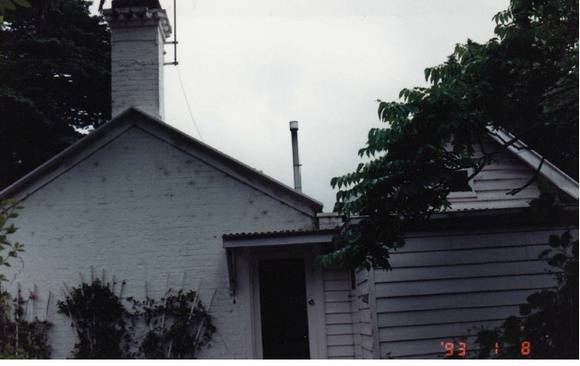
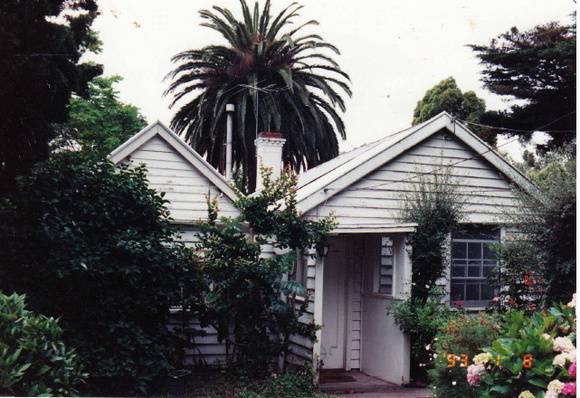
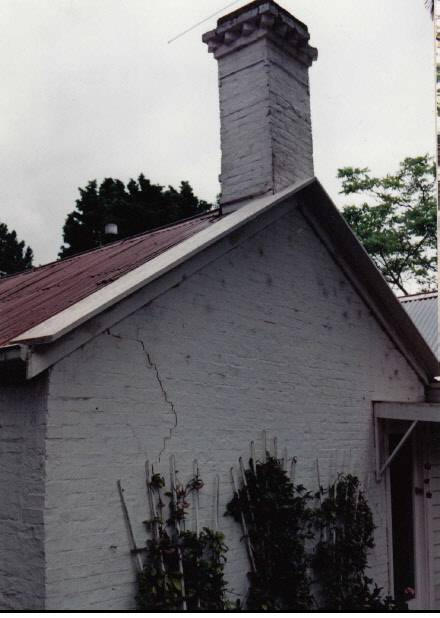
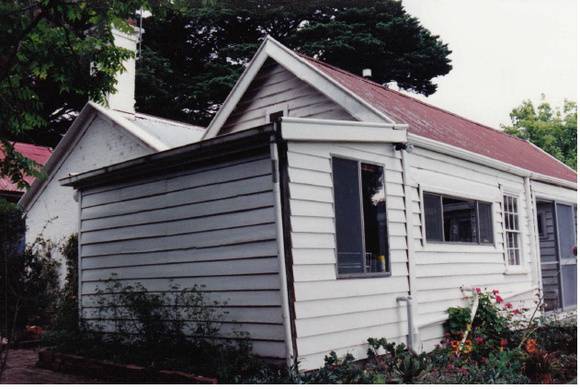
The 19th-century weatherboard house, including all pre-1954 fabric, the two in-ground water tanks, the c1925 mature Canary Island Palm tree (Phoenix Canariensis) and the surrounding site to a radius of 50 metres north of the road.
The house is historically and aesthetically significant to the Shire of Nillumbik.
The house is historically significant as one of the earliest buildings in the Shire, (with sections dating back to the 1850s and 1870s), as an example of the modest accommodation used by the Shire's pioneering settlers and as the long-time home of the prominent local pioneer, Andrew Harkness, who moved to the area in 1849 (Criteria A, B & H). The house is also historically significant because it was used as a weekend retreat by the prominent industrialist and philanthropist, Sir Henry Gepp, from 1923 to 1954,(Criterion H).
Group
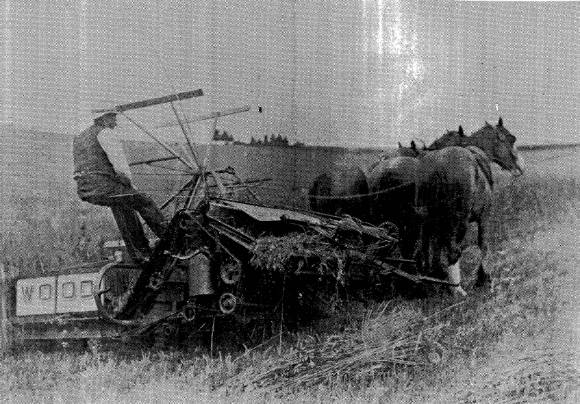
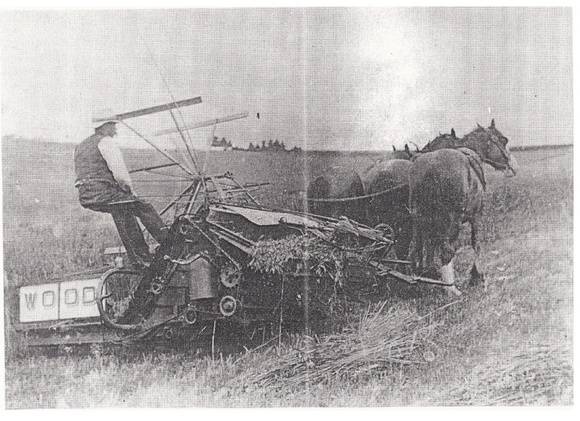
Farming and Grazing
Category
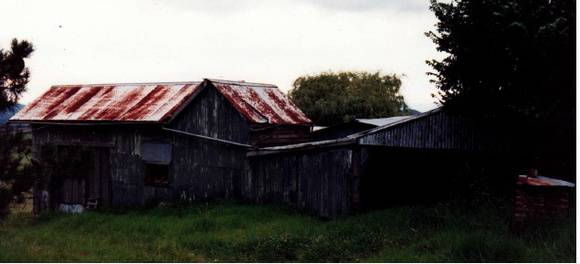
Woolshed/Shearing Shed