CARLTON HOME , CARLTON REFUGE , FEMALE REFUGE , MAGDALEN ASYLUM , FORMER CARLTON REFUGE , QUEEN ELIZABETH MATERNAL AND CHILD HEALTH CENTRE
Location
54-58 KEPPEL STREET AND 455-495 CARDIGAN STREET CARLTON, MELBOURNE CITY
File Number
604586
Level
Registered
[1/19]
2024 Chapel
[2/19]
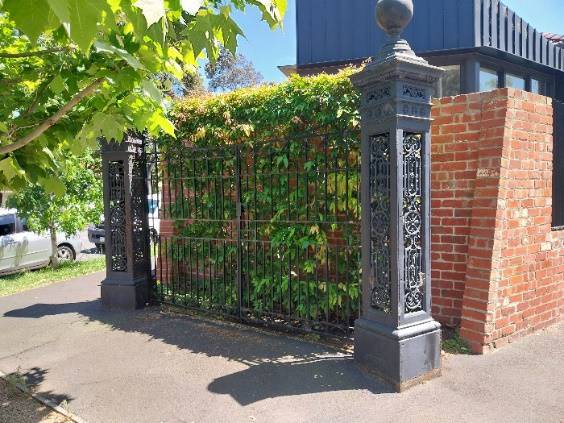
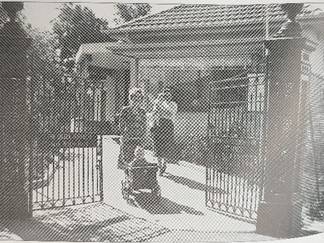
2024 wrought iron gates of
[3/19]
2024 Dormitory Cardigan
[4/19]
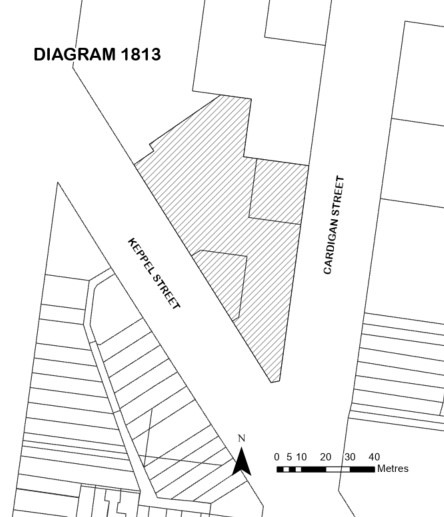
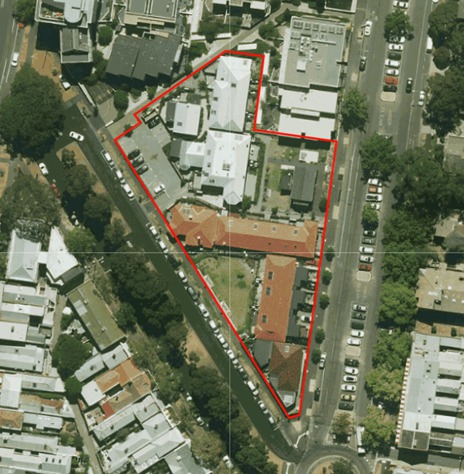
April 2025 Extent diagram
[5/19]
Diagram 1813
[6/19]
Picture2
[7/19]
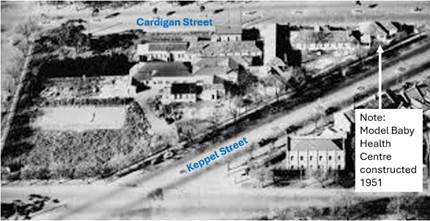
Aerial image after 1951
[8/19]
image012
[9/19]
1954 Model Baby Health Centre
[10/19]
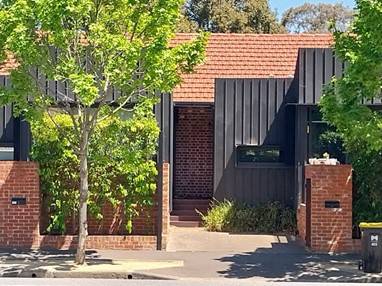
2024 Entry Administration
[11/19]
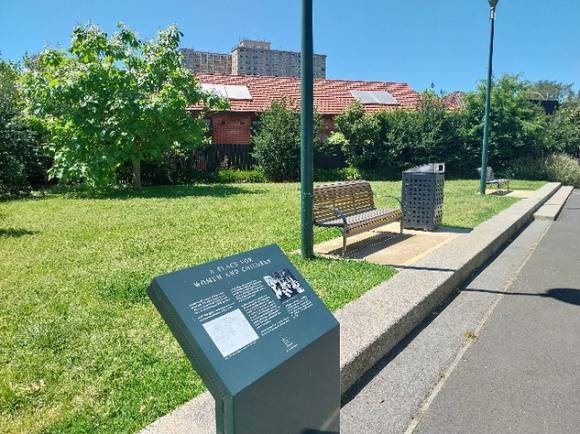
2024 View from public walkway
[12/19]
1863 detail of plan of
[13/19]
2024 Chapel
[14/19]
2024 Chapel
[15/19]
2024 Dormitory Cardigan
[16/19]
QUEEN ELIZABETH MATERNAL AND
[17/19]
2024 Refuge building viewed
[18/19]
1 former carlton refuge keppel
[19/19]
image014
Statement of Significance
Former Carlton Refuge and Chapel Complex is located on Wurundjeri Country.
What is significant?
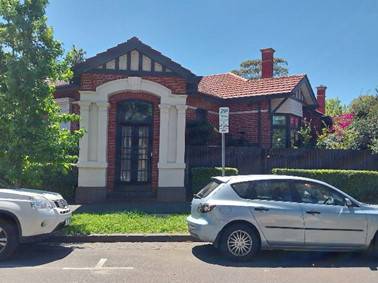
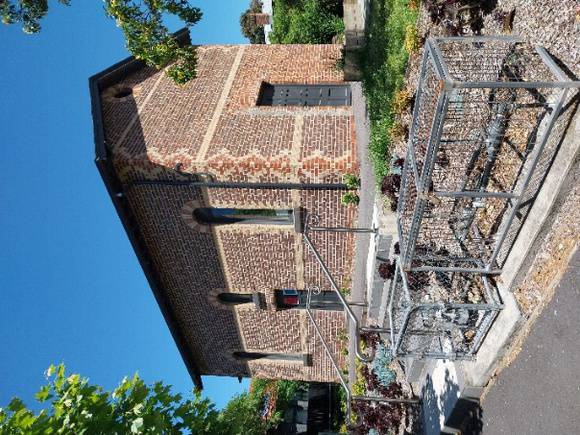
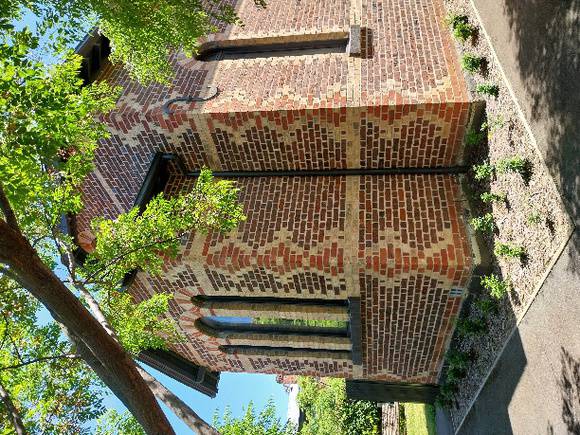
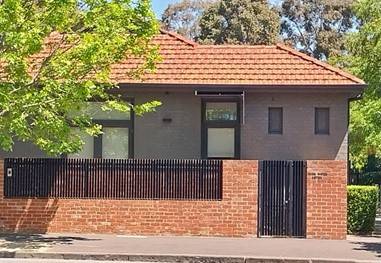
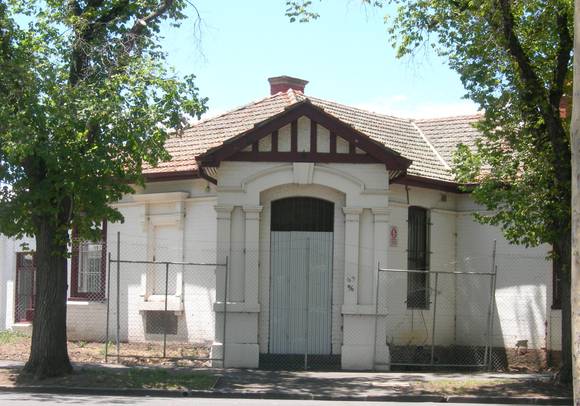
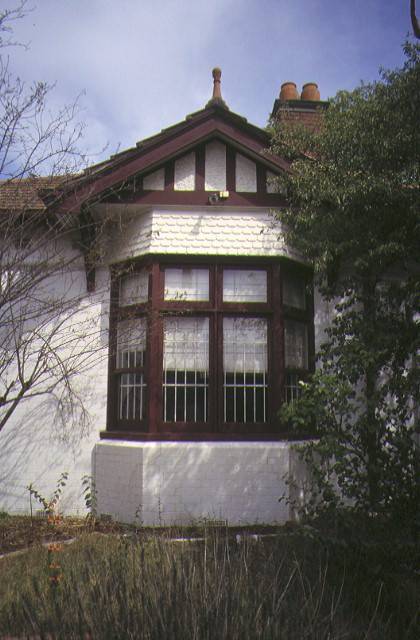
The Former Carlton Refuge and Chapel Complex including the former Refuge (1861-63), Chapel (1881) and Hospital (1882) both thought to have been designed by architect Albert Purchas; two Dormitories (1907), Entry and Administration Building (1907) designed by architect John James Clark; and Baby Health Centre (1951).
How is it significant?
The Former Carlton Refuge and Chapel Complex is of historical and architectural significance to the State of Victoria. It satisfies the following criterion for inclusion in the Victorian Heritage Register:
Criterion A Importance to the course, or pattern, of Victoria’s cultural history.
Criterion D Importance in demonstrating the principal characteristics of a class of cultural places and objects.
Why is it significant?
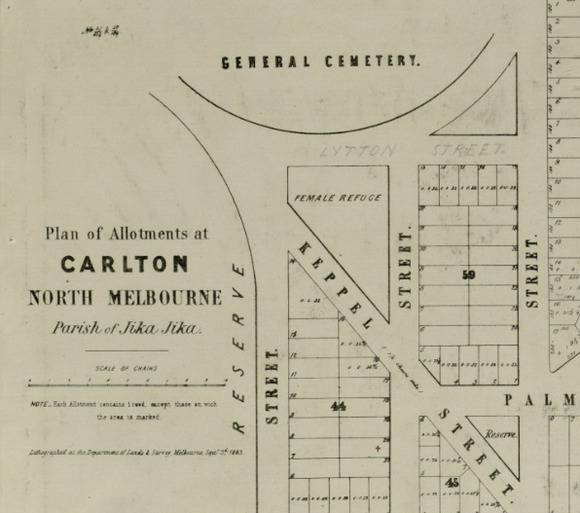
The Former Carlton Refuge and Chapel Complex is historically significant as the location of three successive institutions established to provide services for unmarried and vulnerable women, girls and their babies from 1861 to 1997. The Carlton Refuge was established in 1861 as a ‘female rescue home’ by the Anglican and Presbyterian churches. The female rescue movement was based on Evangelical Christian principles, and its aim was to reform ‘fallen women’, a euphemism for young women without financial means or family support who worked in the sex trade, and/or experienced sexual abuse and exploitation in different kinds of relationships with men. The Carlton Refuge was one of the earliest purpose-built such institutions in Victoria. In 1931 it became known as the ‘Carlton Home’ and had a focus on pregnant unmarried mothers and their babies. In 1949 the Carlton Home closed, and the place re-opened in 1951 as the Queen Elizabeth Maternal and Child Health Centre and Infants' Hospital, which had an additional function as a residential training centre for mothercraft and infant welfare nurses for the whole of the State. The place demonstrates changing attitudes to the welfare of women and children between 1861 and the 1990s. It has a complex and difficult history and is associated with the histories of women, girls, children, welfare provision, baby health centres, institutional abuse, historical forced adoptions and the Stolen Generations.
(Criterion A)
The Chapel of the Former Carlton Refuge Complex is architecturally significant as a simple Protestant chapel of the early 1880s featuring polychrome brickwork. It was designed with a modest scale, restrained architectural treatment, and limited interior decoration, for shared use by the various Protestant denominations that provided services for the women and girls of the Refuge. As a place of worship, the Chapel reflects the Christian values of repentance and redemption, pertinent themes for the Refuge’s founders, who hoped to inculcate true penitence in its ‘immoral’ residents and inspire them towards salvation through a chaste and virtuous life. The Dormitories are utilitarian in nature with masonry walls and terracotta tiled roofs, and the Entry and Administration Building resembles a Federation-style villa.