
| Back to search results » | Back to search page » |


|
MOUNT RIDLEY HOMESTEAD
Other NameMt Ridley Location100 MT RIDLEY ROAD MICKLEHAM, HUME CITY
File Number604352LevelRegistered |
|




Statement of Significance
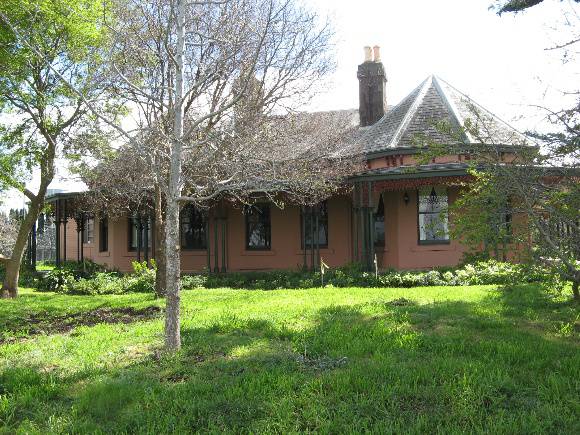
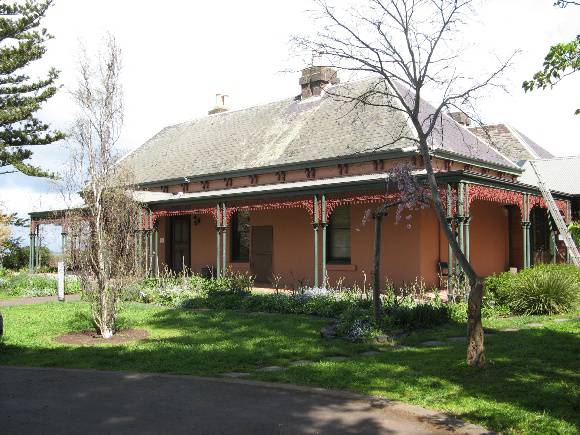
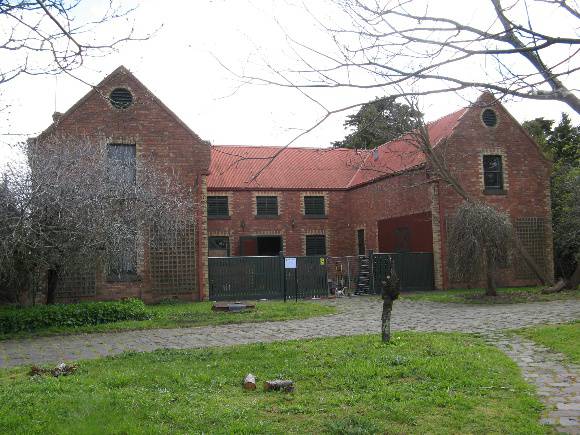
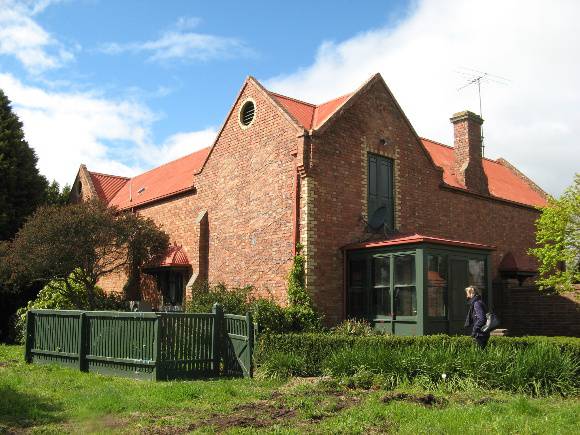
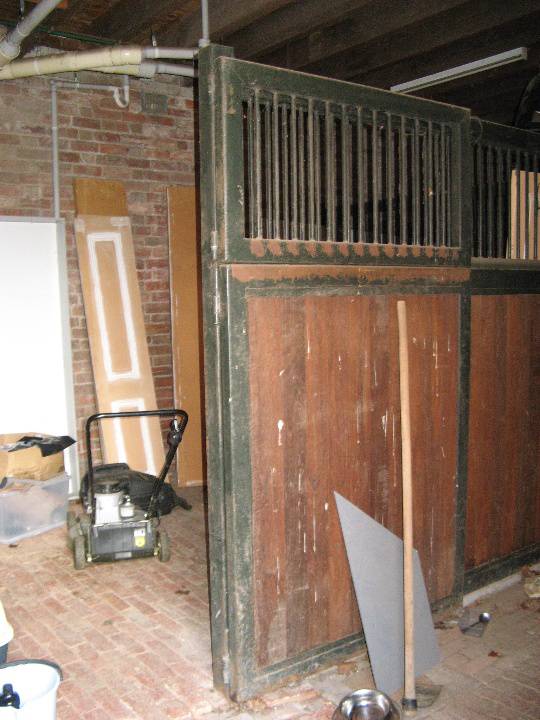
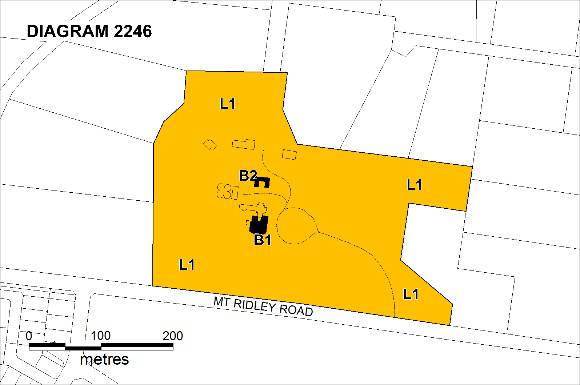
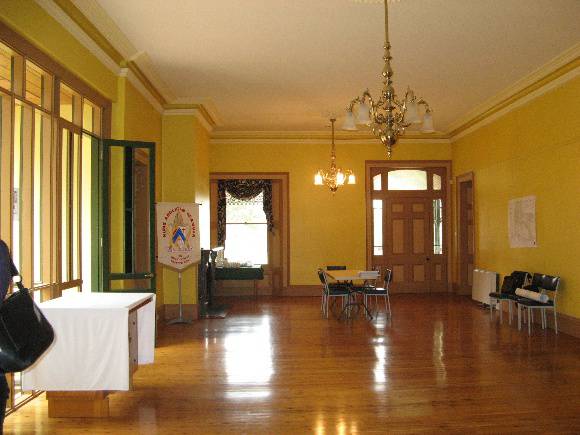
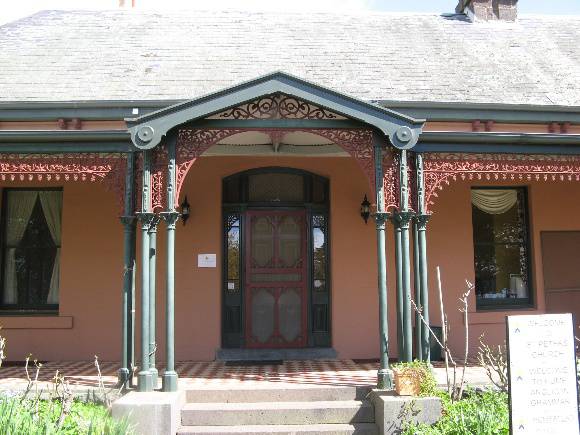
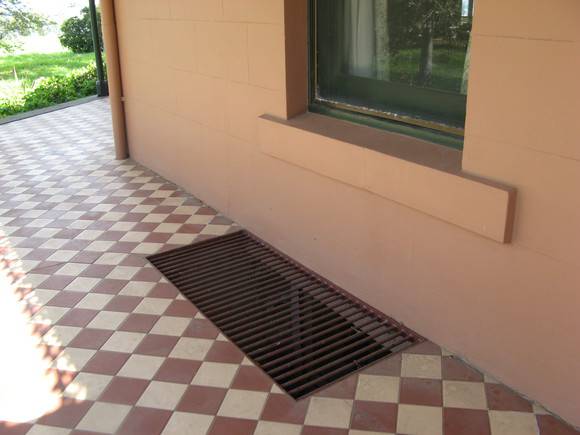
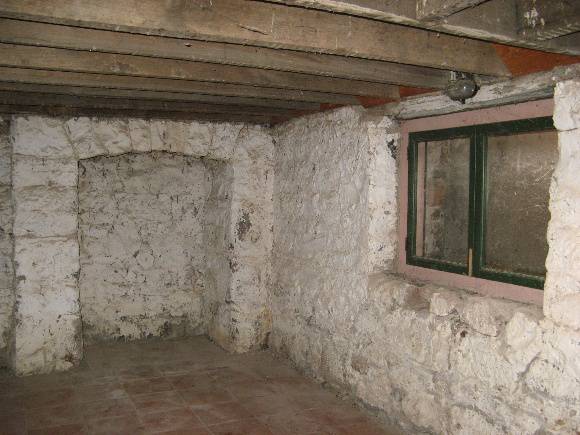
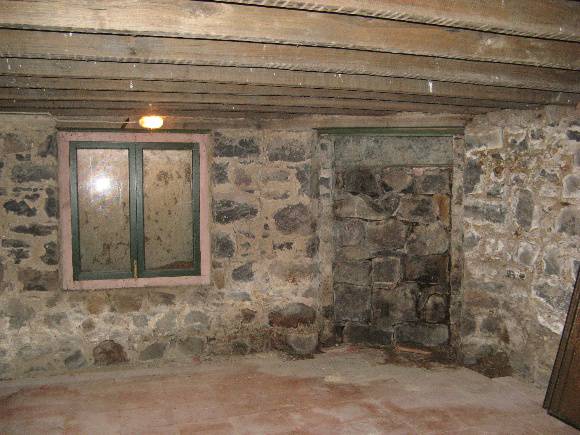
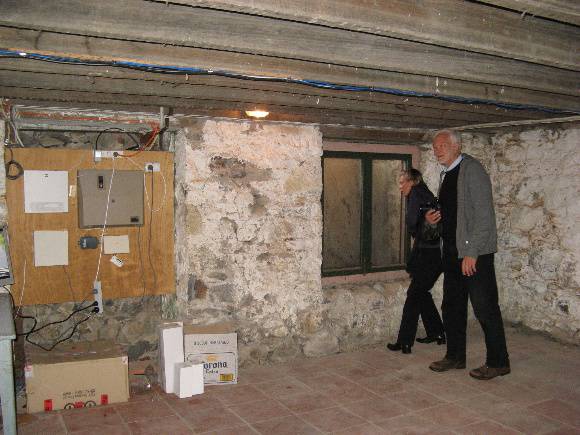
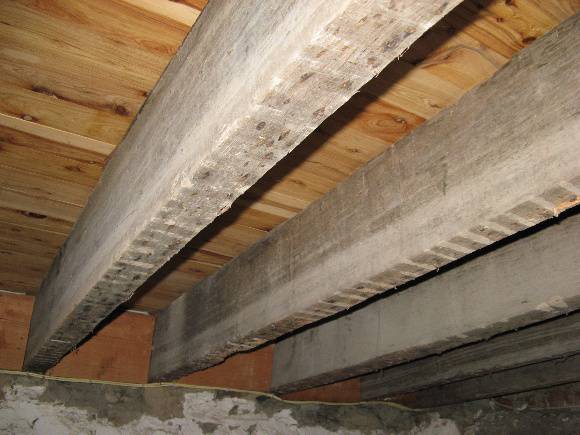
What is significant? Mount Ridley homestead comprises an early bluestone house and an impressive stable building, located on an extinct volcano called Mount Ridley to the north of Melbourne. The house was built in 1848-50 by Captain James Pearson, who had leased the 640 acre property in 1842 while on a visit to the colony, and returned in 1847 with his wife and her cousin, Frederic Race Godfrey. He purchased more land surrounding Mount Ridley and also the land he had been leasing, and built an impressive homestead. The construction was documented in the diaries of Godfrey, who visited often on his way to his station in the Loddon district. The Pearsons lived in England from 1858 until 1875 and during that time the property was leased to Godfrey, who was a prominent member of numerous Melbourne associations and an MLA, and the house became a centre of society. In 1881 the property was sold to the grazier William Malpas, who in 1882 commissioned the architect Evander McIver to make extensive alterations to the house, including enlargement of the attic storey and the construction of an impressive brick stable and coach house. It subsequently had a number of owners before being acquired in the 1970s by developers with plans to subdivide and create a suburb, Mt Ridley New Town, but the rezoning caused a political scandal and the scheme was abandoned. The house became derelict and was restored in 1987 when extensive additions were made. The property was purchased in 2010 by the Melbourne Anglican Trust Corporation for use as the Hume Anglican Grammar School. Mount Ridley homestead is a single-storey bluestone house with two polygonal bays on the front elevation facing towards Melbourne, with a hipped slate roof and verandahs around three sides. A notable feature is the six-room bluestone basement, which received natural light by windows opening into an open space below the verandah. This is likely to have contained service and storage areas and possibly staff accommodation. The house was originally built in a U-shape and had dormer windows in the roof, but the rear courtyard was covered and the dormers removed as part of the 1987 works. At that time substantial additions were also made: a large living, kitchen and dining room addition at the rear, and an indoor pool and a bathroom pavilion on the west side. The original room arrangements were also altered, the internal finishes and fittings substantially replaced, and the staircase to the attic storey removed. The stable is a two-storey red brick building with cream brick dressings around doors and windows and at the corners. It is a U-shaped building with a recessed stable court at the front and with gables inset with circular windows over each projecting wing. The interior has in part been converted to residential use, but some original features, including some brick paving (over part of the ground floor), remain on the ground floor. This site is part of the traditional land of the Wurundjeri people. How is it significant? Mount Ridley homestead is of architectural and historical significance to the state of Victoria. Why is it significant? Mount Ridley homestead is of architectural significance as a fine example of a single-storey colonial homestead. A rare feature is the basement service area, which is unusual in Victoria, where detached service areas or attached service wings were preferred. The stable building is an outstanding example of its kind, and its scale and form reflect the importance of horses, and of stable buildings in which to house them, as a reflection of the wealth of their owners in nineteenth century society. Mount Ridley homestead is historically significant for its basement service areas which reflect the often poor living and working conditions of servants in the early colonial period, conditions which tended to be improved later partly due to the difficulty of obtaining and keeping good servants.The homestead is also of historical significance for its association with the early settlement of Victoria, with its builder Captain James Pearson and with Frederic Race Godfrey, the squatter, businessman and Member of Parliament, who lived in the house for seventeen years.
Group
Farming and Grazing
Category
Homestead Complex