
| Back to search results » | Back to search page » |


|
Olympic Tyre & Rubber
Other NamesPacific Dunlop , Dunlop Olympic , Beaurepaire's Location56-84 Cross Street FOOTSCRAY WEST, Maribyrnong City
File Number30LevelIncluded in Heritage Overlay |
|




Statement of Significance
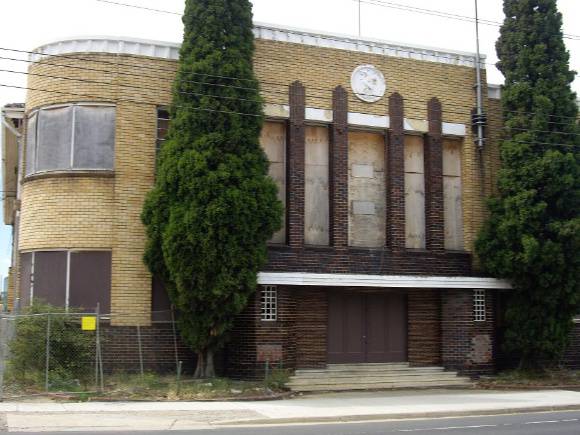
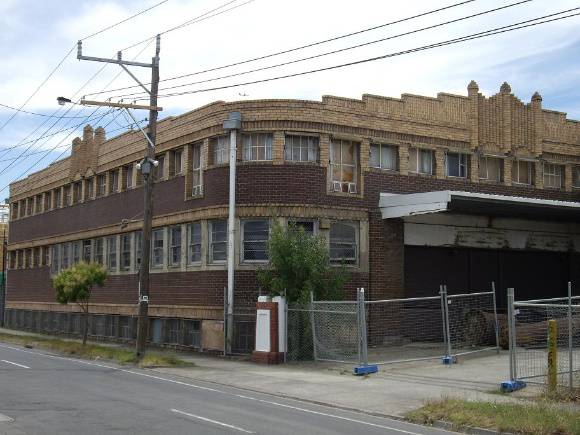
City of Maribyrnong Heritage Review Statement of Significance: The Olympic Tyre and Rubber factory is of State architectural and historical significance as one of the most accomplished examples of the Moderne style factory facades which are well represented in the region but otherwise relatively rare. (Criterion A3) The extensive elevation to a main rail line demonstrates architectural flair and a consciousness of the world trends in industrial architecture. The building reflects the high point of the period of industrial development in the region in the 1930s and '40s providing contrast to the historical fact of the depression. (Criterion A4) Within the framework of the Moderne style current at the time, the architectural treatment presents a distinctive approach and creates a considerable impact. (Criterion F1) Historically the site is associated with the business and personal success of Sir Frank Beaurepaire who achieved fame in his triple Olympic attendance, 1908, 1920, 1924, was Lord Mayor in 1940-42 and knighted in 1940. The building reflects the prosperity of an Australian firm which achieved major successes and innovations in an industry dominated by overseas technologies and competition. (Criterion H1) The landscape elements of the formal garden remnants, including the Italian Cypress trees contribute to the aesthetic value of the place. Footscray Conservation Study SOS Architecturally, an accomplished and extensive elevation substantially in the Moderne style which parallels with other industrial growth in Footscray just prior to and during the Second War. Historically, it is closely linked with the personal success story of Frank Beaurepaire and the development of an Australian industry in the face of international innovation and competition. Australian Heritage Commission (AHC) criteria The Australian Heritage Commission criteria consist of a set of eight criteria which cover social, aesthetic, scientific, and historic values. Each criterion has sub-criteria written specifically for cultural or natural values. The relevant criteria are: A.3 richness and diversity of cultural features A.4 demonstrates well the course and pattern of history, important historic events F.1 design or technological achievement . H.1 association with important person or group
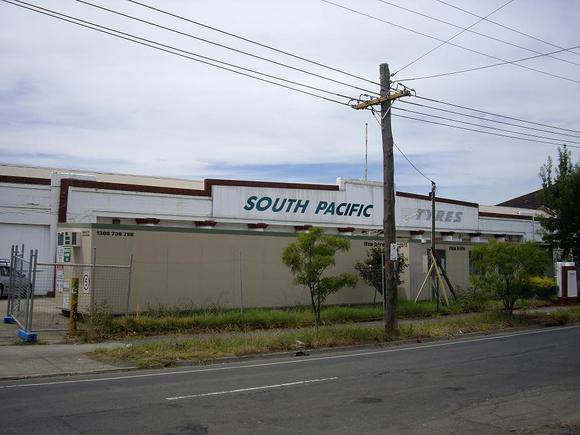
Given the extent of the works visible from the street, the emphasis of this significance is on the Cross Street elevation.
Group
Manufacturing and Processing
Category
Factory/ Plant