
| Back to search results » | Back to search page » |


|
Mary Street Precinct
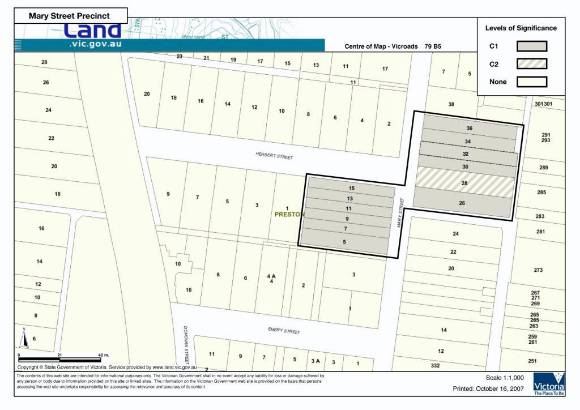
Location5-15, 26, 30-32 and 34-36 MARY STREET, PRESTON, DAREBIN CITY LevelIncluded in Heritage Overlay |
|




Statement of Significance
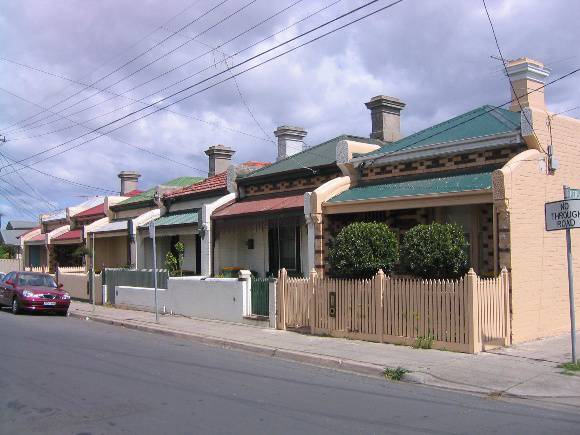
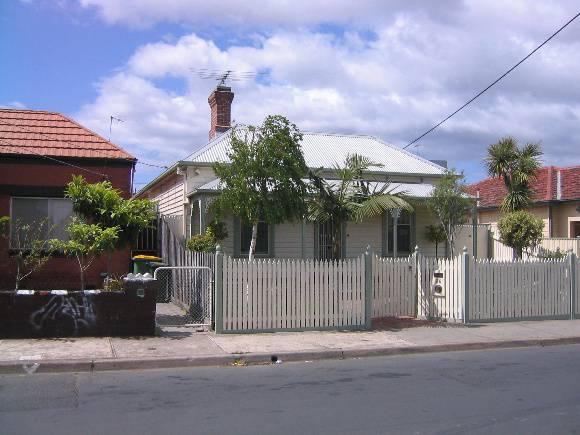
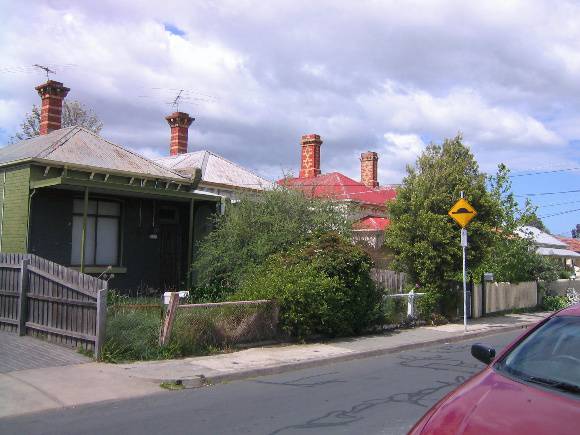
What is significant? The first new houses were constructed on the east and west sides of the street from c.1885, making the street almost fully complete at the southern end by the 1890s. Today, five of the nineteenth century cottages survive on the east side, and all six survive on the west side at nos. 5-15. How is it significant? Why is it significant?
The properties on the east side of Mary Street were created as the result of a c.1874 subdivision of the former property known as Shepherd's Run. It was first subdivided into six lots from 1872, then 107 lots in 1874. The properties on the west side of Mary Street were created as the result of a c.1874 subdivision by Henry Keele, who lived with his family in a house at the corner of Mary Street, while houses on the east side were situated between factories located at the northern and southern ends of the street.
The Mary Street precinct is of local historic significance to Darebin City.
Historically, the Mary Street precinct is significant as an illustration of the first phase of development that occurred in Preston in the late nineteenth century just prior to the economic crash of the 1890s, which saw development stall for over a decade. It is also of interest for its associations with the Keele and Bastings families. The historic value of the precinct is enhanced by its high degree of integrity and its rarity value as one of the few examples of a nineteenth century precinct within Preston. (AHC criteria A.4, B.2, D.2 and H.1)
Group
Residential buildings (private)
Category
Residential Precinct