
| Back to search results » | Back to search page » |


|
STAPLEGROVE MEAT WORKS
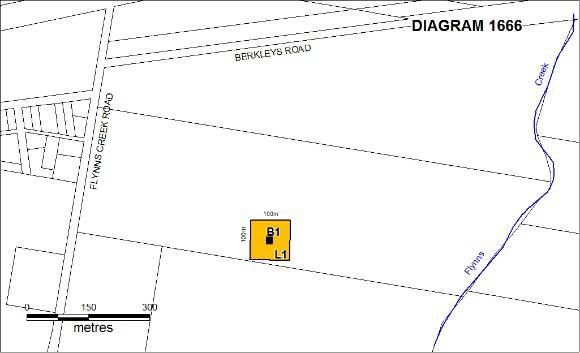
Other NameMEATWORKS Location50 BERKLEYS ROAD FLYNN, LATROBE CITY
File Number601281LevelRegistered |
|




Statement of Significance
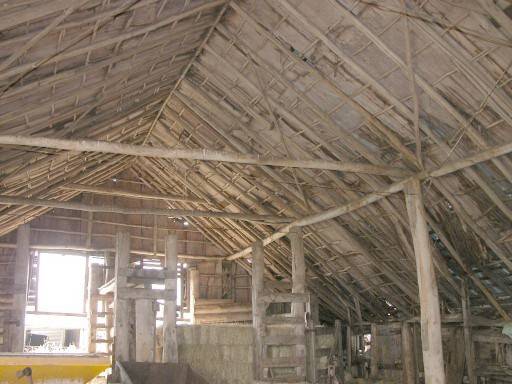
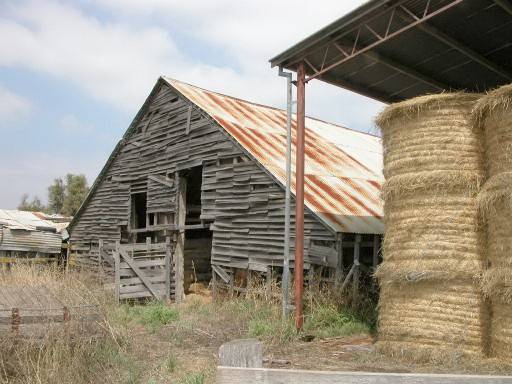
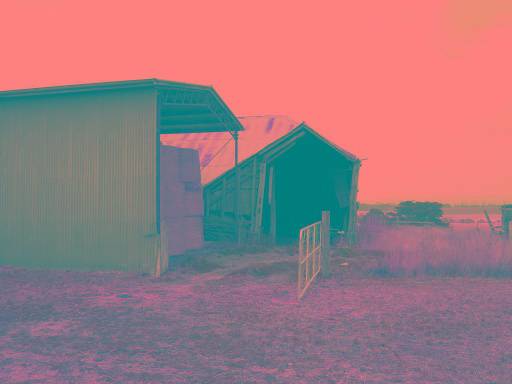
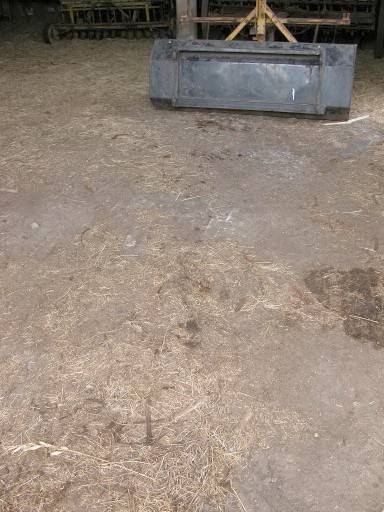
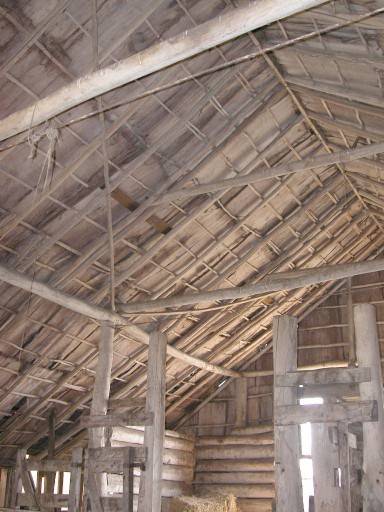
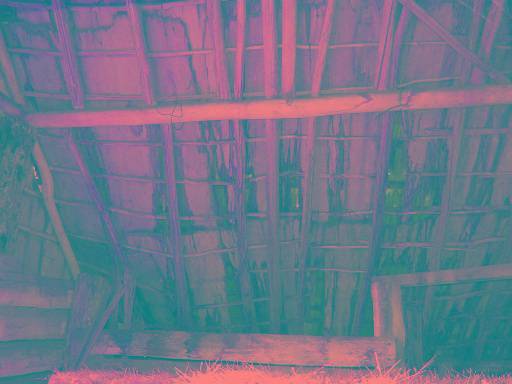
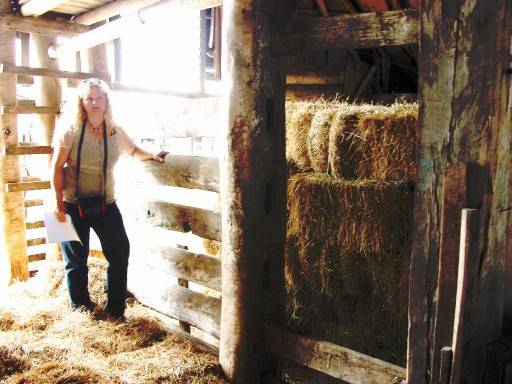
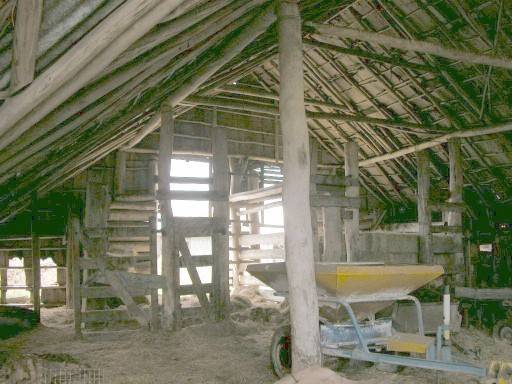
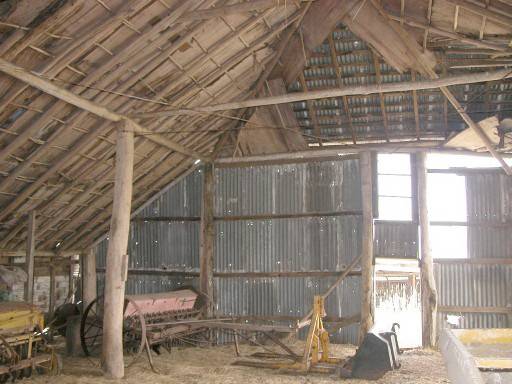
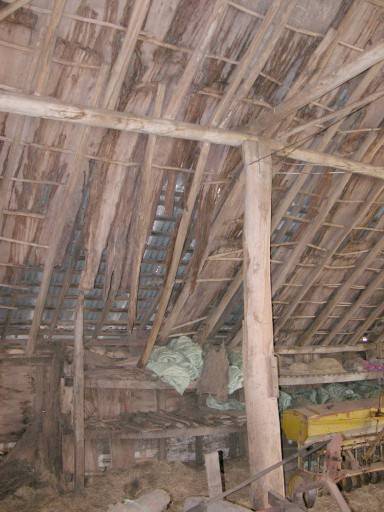
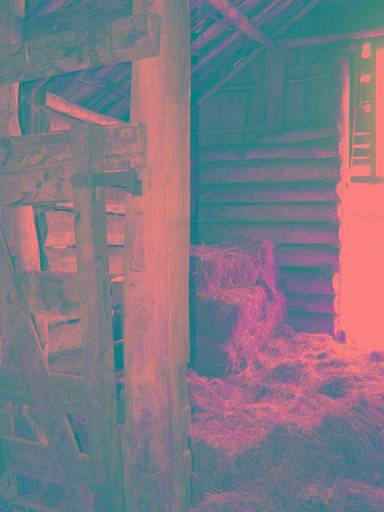
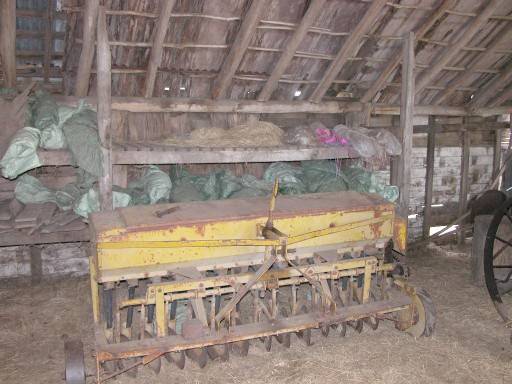
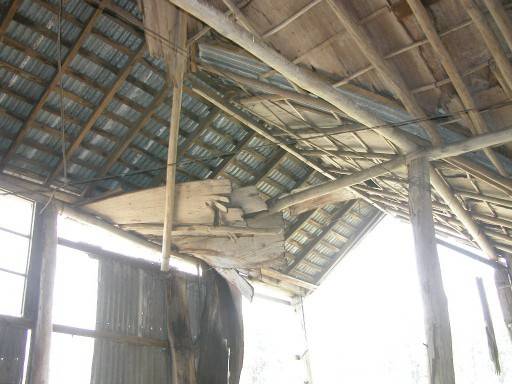
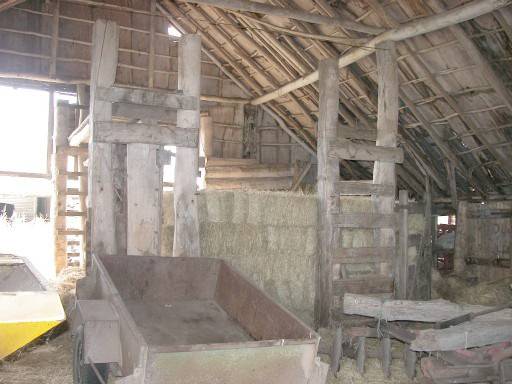
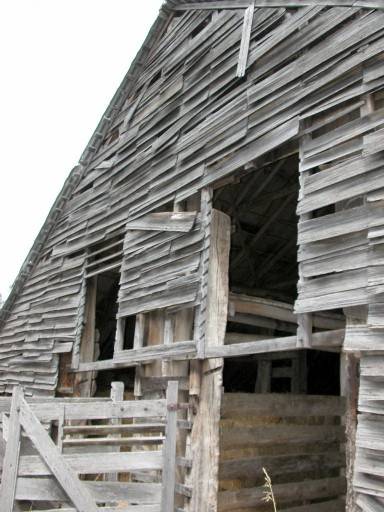
What is significant? The former meatworks at Staplegrove was built in the 1870s by James Hagan, an Irish immigrant to Victoria. Following the 1860s Selection Acts, which were the impetus for increased settlement throughout Victoria, he selected land in 1869 at Flynn, and built a two-room house and the large bark shed. Gippsland had been heavily timbered, and the clearing of the land for settlement provided plenty of timber and bark for building, and these became the predominant building materials in the region for several decades. During the 1870s the Gippsland rail line was being constructed, and there was a camp for the workers at Flynn. Hagan was using the bark shed as a slaughterhouse, and providing meat to the railway workers, and to Melbourne and the Walhalla goldfields. Transport was made easier by the construction of a spur line from the nearby Flynn railway station. The shed was fitted up for the killing of cattle, sheep and pigs. In 1886 Hagan sold the property to his former manager, John Birkley, who in 1888 obtained a licence to operate a commercial slaughterhouse. It is thought that at this time Birkley made substantial improvements to the shed: he placed corrugated iron over the bark roof; clad the walls with hand-split weatherboards; replaced the redgum block floor in part of the shed with hand-made bricks; and probably built the nine metre diameter brick in-ground water tank to the north. Birkley sold the property in the 1890s, and the slaughterhouse ceased operating. Since then it has been used as an all-purpose farm building, and as a hayshed. The former meatworks at Staplegrove is a large, timber framed, gabled shed, measuring about seventeen metres by thirteen metres, with the roof and walls clad with sheets of bark. The posts are undressed redgum, the lintels and beams are undressed round timber, and the roof battens are ti-tree saplings. The bark sheets are nailed or wired in place on the roof. The bark wall cladding was held in place with horizontal lengths of undressed timber. Most of the floor is of redgum blocks, with hand-made bricks in the northern section. In the north end of the shed is an elevated timber platform, on which the slaughterman stood to kill the cattle below. Corrugated iron covers the bark roof, and the walls have been clad with extremely thin hand-split weatherboards up to 1.82 metres long. A timber skillion has been added on the east side, and a tall modern hay shed built on the west side. Iron ties have been added to help maintain stability. The building has deteriorated, but is largely intact. How is it significant? The former meatworks at Staplegrove is of historical and architectural significance to the State of Victoria. Why is it significant? The former meatworks is historically significant as a reflection of the way of life of the early selectors in Victoria. It has associations with the early settlement of eastern Victoria, with the clearing of the once extensive Gippsland forests, and with the construction of the Gippsland railway in the 1870s. It illustrates the development of rural industry in Victoria in the nineteenth century, former slaughtering practices, and the transport of primary produce. The former meatworks at Staplegrove is architecturally significant as the oldest and largest known bark building in Australia. It is a rare surviving example of the vernacular structures using local materials built by the pioneers, and demonstrates early woodworking and construction techniques.
Group
Manufacturing and Processing
Category
Abattoir/ Meat Processing