
| Back to search results » | Back to search page » |


|
GELLIONDALE BRIQUETTE PLANT
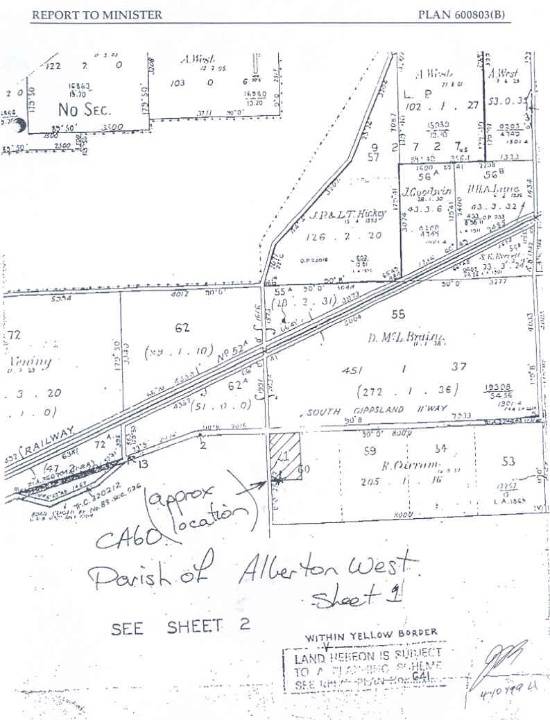
LocationCOAL PIT ROAD AND SOUTH GIPPSLAND HIGHWAY HEDLEY, WELLINGTON SHIRE
File Number600803LevelRegistered |
|




Statement of Significance
The Gelliondale Brown Coal and Oil Co. commenced operations in 1930
and under the direction and ownership of James T Knox started
manufacturing briquettes in 1934. The company ceased the production of
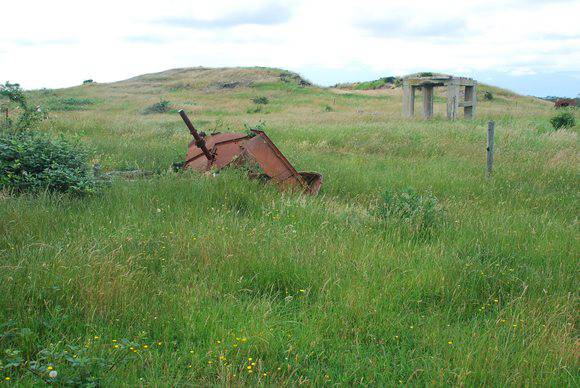
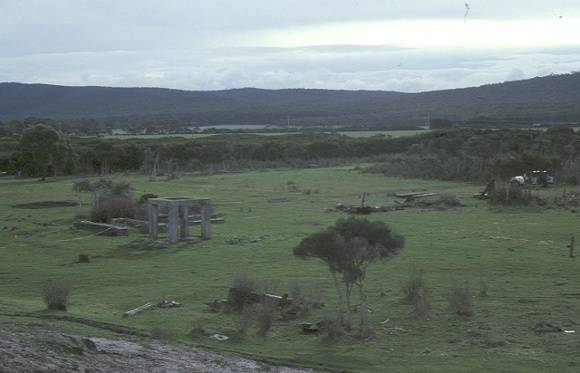
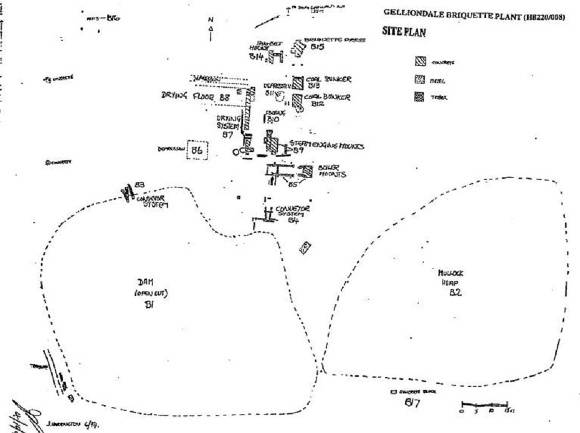
briquettes in 1944 and was wound up in 1950. The concrete engine
footings and machinery remains of the briquette plant today form part
of an industrial complex comprised of a factory and conveyor belt
system, a water frilled open-cut mine, a large mullock heap and the
remnants of a tramway system. The remains of the Gelliondale Briquette plant have an important
association with the endeavours of James Knox and the Gelliondale
Brown Coal and Oil Co. to retain the rights of individuals and of
private enterprise on the face of active opposition from the State
Government. The social associations of the site are an illustration of
the lack of power granted to the private sector when a conflict of
interests arises in relation to the utilization of natural resources,
culminating in this instance in the passing of legislation, the 1950
Gelliondale Land (Mineral Lease) Act, which granted the Crown
authority for the resumption of both mineral leases and land. The Gelliondale Briquette plant oils a demonstration of technical
accomplishment in the history of briquette production and of the
construction and layout of a brown-coal mining operation. Of
Victoria's three original briquette production facilities the
Gelliondale briquette plant is the only one which is represented by
physical remains. Due to extended open-cut mining both of the Yallourn
sites have been completely removed. It is also the only remaining site
that is representative of non-government operated briquette production facility. The site of Gelliondale Briquette Plant is a rare example of a
briquette plant. It is the oldest remaining example of briquette
production processes in Victoria and is the only site which remains as
a record of the history of briquette manufacturing in the State. The
processes and machinery used in the production of briquettes at
Gelliondale pre-date and differ to some extent from those used at the
later, currently operational Morwell plant. The Gelliondale Briquette
plant is much smaller in scale than the Morwell plant and therefore is
representative of a different approach to the utilization of resources. The Gelliondale Briquette plant demonstrates an association with an
important figure as it was owned and operated by James T. Knox
(1889-1967), a civil engineer who is noted for promoting the use of
concrete in the Australian construction industry. He is purportedly
the designer of the original 1937 concrete southern stand at the
Melbourne Cricket Ground. Knox's innovative projects extended beyond
building design and included attempts to introduce advanced farming
technology and his operation of the Gelliondale Brown Coal and Oil Co.
Group
Manufacturing and Processing
Category
Other - Manufacturing & Processing