
| Back to search results » | Back to search page » |


|
MOONEE VALLEY RACECOURSE
Location33-111 DEAN STREET, MCPHERSON STREET, and 66, 110, 112, 130 & 130a WILSON STREET, MOONEE PONDS, MOONEE VALLEY CITY LevelIncluded in Heritage Overlay |
|





Statement of Significance
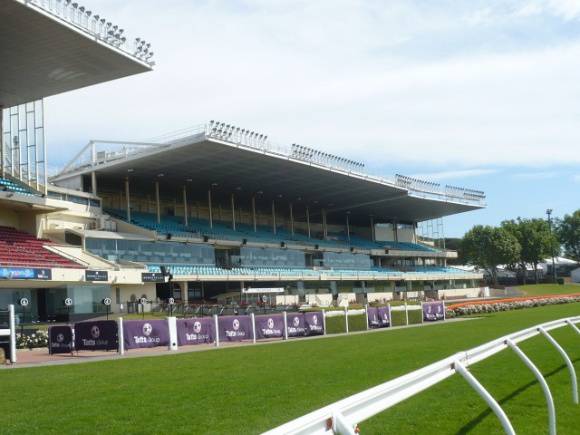
What is significant? The S.R. Burson Stand and the Club Secretary's House (former) and
garden are of individual significance and each have their own
statement of significance. The other buildings and structures at Moonee Valley Racecourse are
not significant. It is historically significant as a Club known for its innovation and
for introducing ideas to improve racing both for the industry as well
as for spectators. This reputation is attributed to the
entrepreneurial vision of W.S. Cox. Among the many 'firsts' to take
place at Moonee Valley Racecourse are the opening of the first
on-course tote in 1931, the introduction of on-course broadcasting in
1933, the use of starting stalls in 1947, the recording of the first
photo-finish dead heat in 1948, Sunday Racing and Night Racing. MVRC
was also the first course to end segregation of the sexes, which had
been in place since the 1940s, a policy that was continued by rival
clubs until they too were forced to abolish it some years later
(Criterion A). The Moonee Valley Racecourse is historically and architecturally
significant for its collection of buildings and features associated
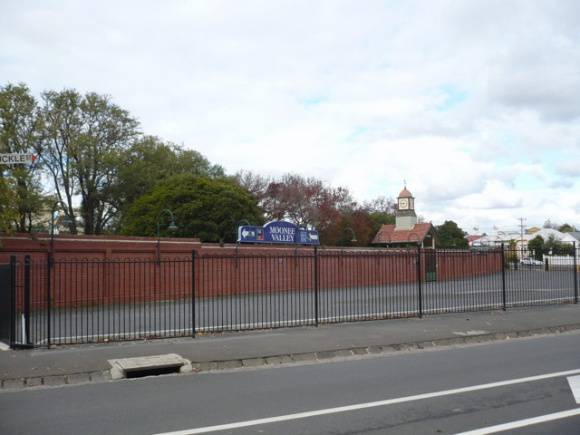
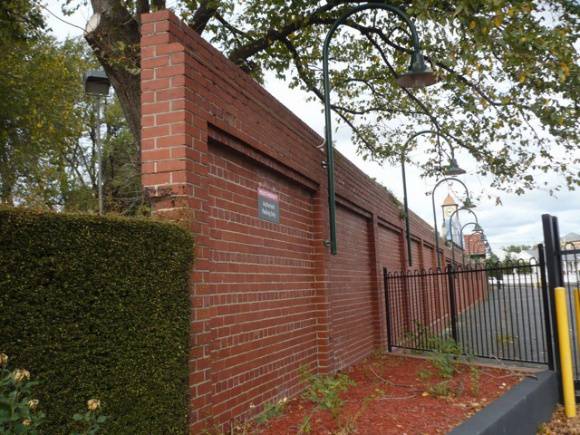
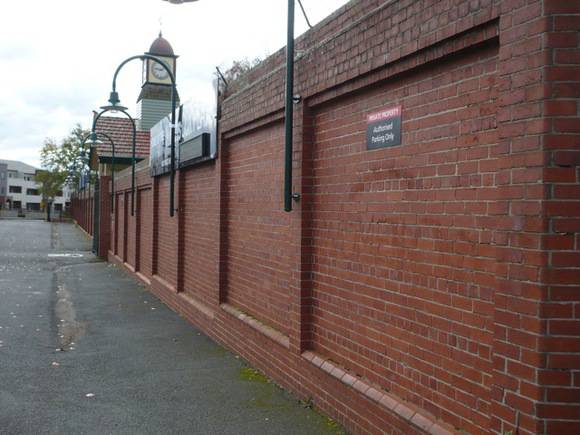
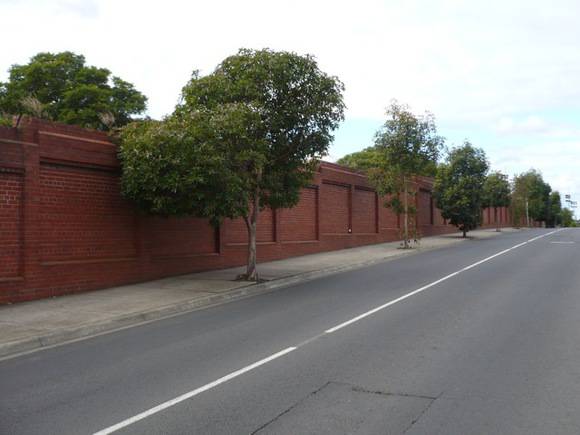
with racing in Victoria in the twentieth century. The high perimeter
fence, a typical feature of metropolitan racecourses, is one of the
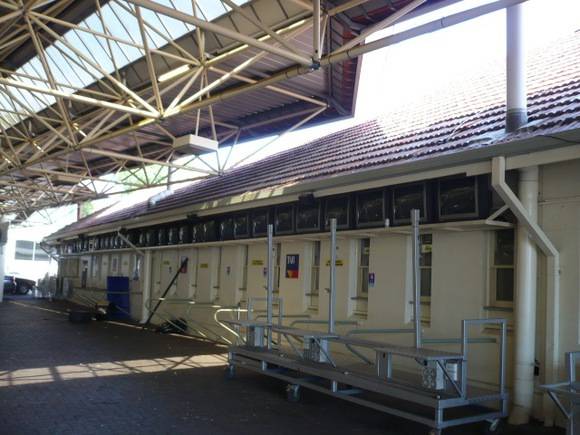
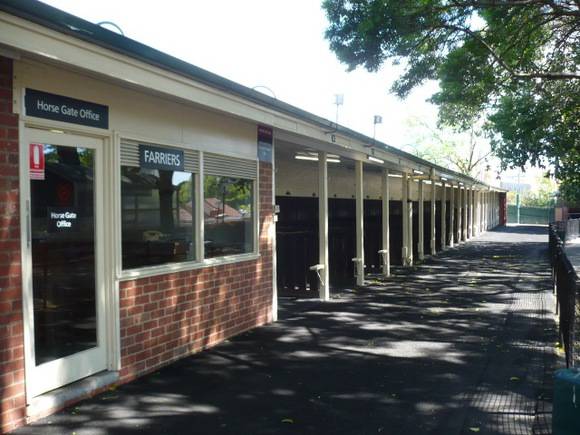
earliest elements at the course and forms part of the horse stalls,
which face toward the parade ground and saddling paddock. The
significance of the horse stalls, formed in part by the high perimeter
wall, is further enhanced by the nameplates of notable horses that
have been stabled in each stall. The totalisator, one of the earliest
surviving examples of this type of facility, demonstrates the change
to on-course betting in Victoria in the 1930s. (Criterion D) The Moonee Valley Racecourse is significant as a place with
distinctive aesthetic qualities. The Inter-war elements, including the
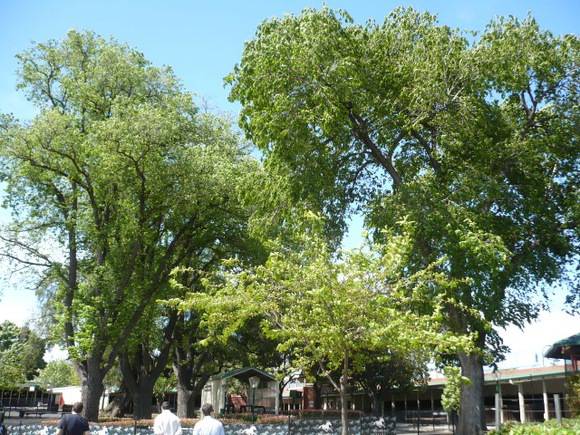
brick perimeter wall and adjacent horse stalls, mature trees including
Elms and a Peppercorn, and a totalisator building are of evocative of
a mid twentieth century metropolitan racecourse facility. (Criterion E) The Moonee Valley Racecourse is socially significant as a facility
that is known, and has been used and valued by both racegoers and the
local community for over a century. Apart from its primary use it has
also been used by other sporting and community associations and as a
venue for major community celebrations and gatherings. (Criterion G) The Moonee Valley Racecourse is historically significant for its
associations with various people who played an important role in the
development of horse racing in Victoria. These include the founder of
the course - W.S. Cox - and his family, which played an influential
role in horse racing in Victoria over the next 100 years; the
long-time Chairman Alister Clark who is honoured by a memorial garden
and the Alister Clark Stakes; and, A.V. Hiskens, among others.
(Criterion H)
The Moonee Valley Racecourse, established in 1883 by W.S. Cox, is
significant. The most significant features within the course are the
brick perimeter wall generally along McPherson Street to the south of
the main entrance and returning along Dean Street to the entrance from
that street, the adjacent horse stalls, mature Elms (Ulmus
sp.) and a Peppercorn (Schinus molle) surrounding the
saddling paddock/parade ground, the c.1938 totalisator building, the
Alister Clark Rose Garden and the Manikato Garden, the S.R. Burston
Stand and the Club Secretary's House (former) and garden.
How is it significant?
The Moonee Valley Racecourse is of aesthetic, historical and
social significance to the City of Moonee Valley.
Why is it significant?
The Moonee Valley Racecourse is historically significant as one of
three metropolitan courses to have operated continuously since the
nineteenth century. The racecourse was established in 1883, and by the
1920s had become one of the four major metropolitan racecourses. It is
known throughout Australia for its races including the W S Cox Plate,
which is the richest weight-for-age horse race in Australia and forms
an integral part of Melbourne's Spring Racing Carnival. Many famous
horses including Phar Lap have raced at Moonee Valley and the course
is particularly associated with Manikato, which won five consecutive
William Reid Stakes at Moonee Valley and is now buried at the
course.(Criterion A)
Group
Recreation and Entertainment
Category
Racecourse