The Former Union Bank and Gold Smelting Objects are located on the land of the Dja Dja Wurrung people.
What is significant?
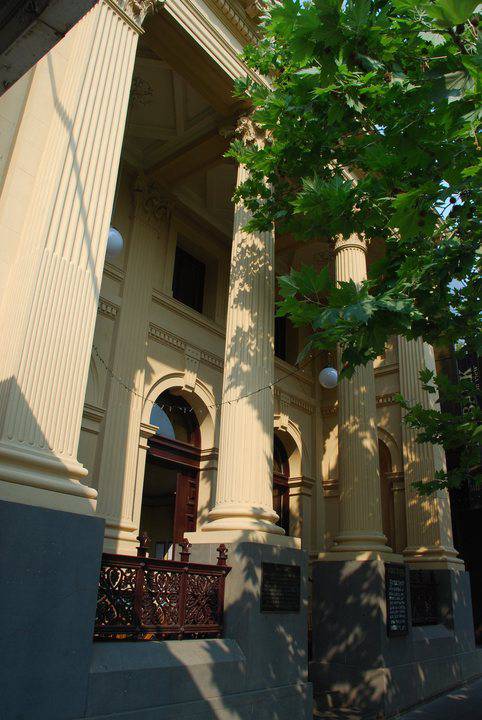
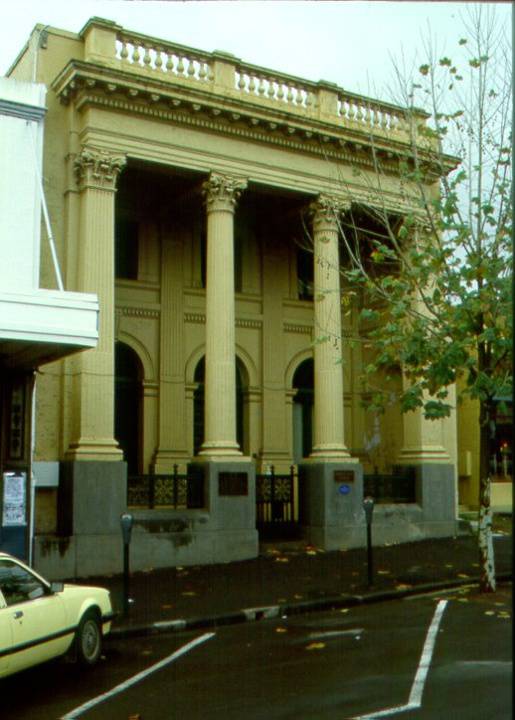
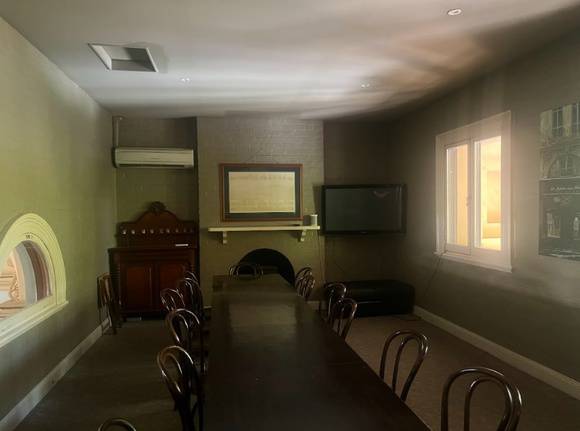
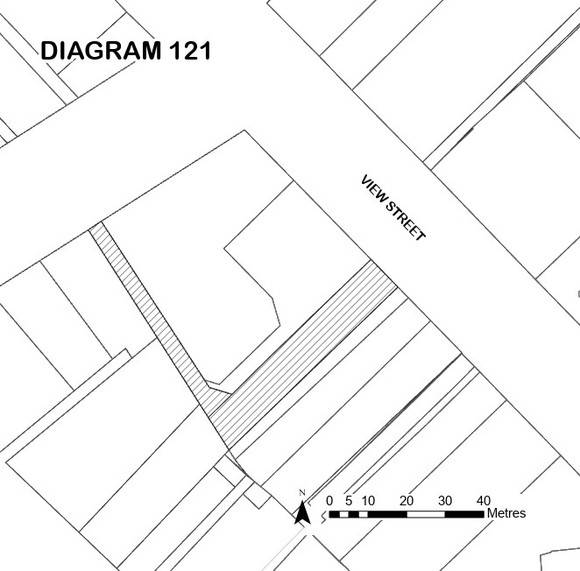
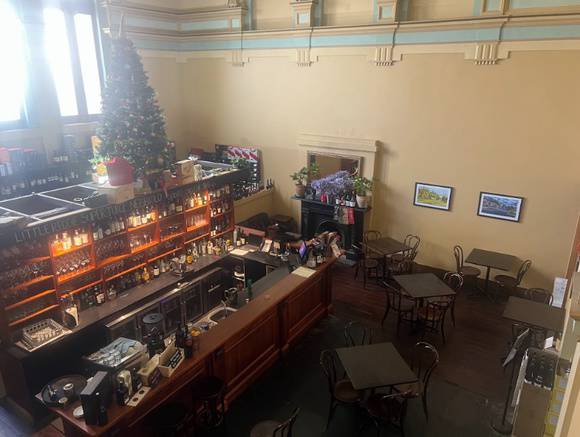
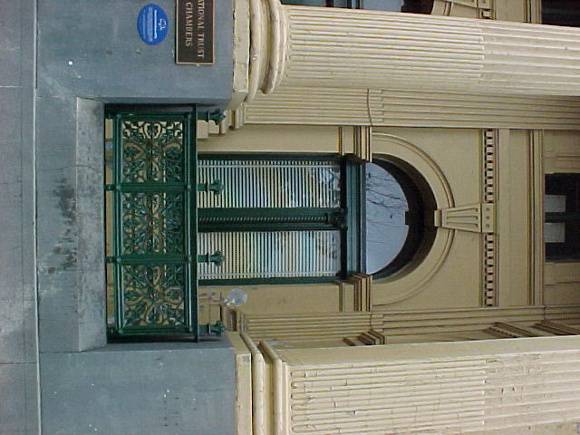
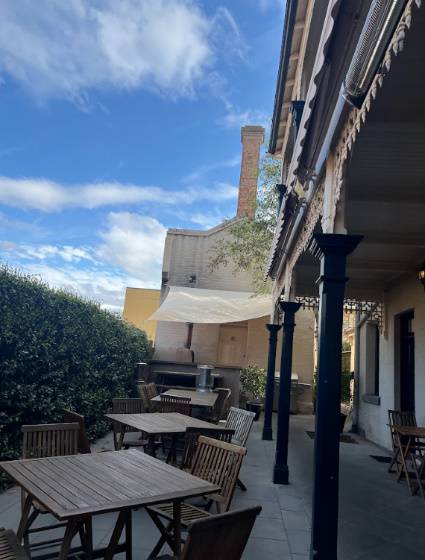
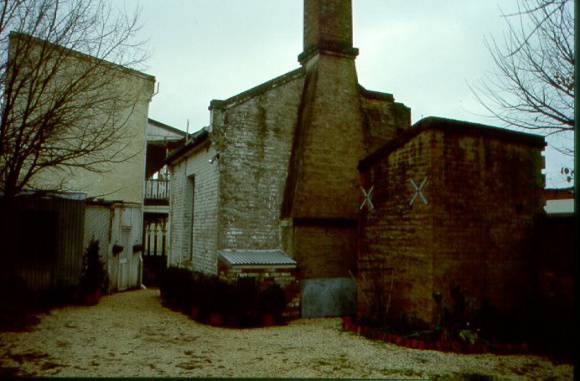
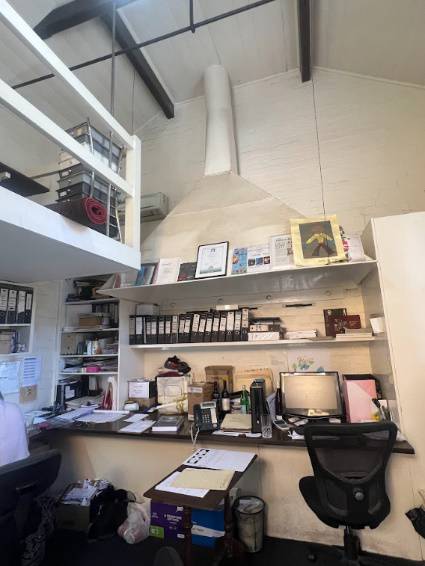
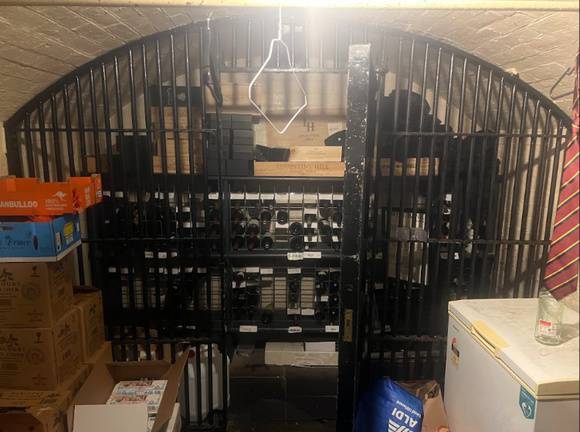
The Former Union Bank in View Street, Bendigo built in a Classical style in 1876-7 to the design of architects, Smith and Johnson. It comprises a banking chamber and strong room, attached residence, and a smelting house with chimney at the rear of the property. The gold smelting objects were removed from the smelting house in 1976 and are now held in the ANZ Group Archive collection. They consist of six ingot moulds, five crucible tongs, a gold cart, mortar and pestle, two crucibles, and a crucible lid.
How is it significant?
The Former Union Bank and Gold Smelting Objects is of historical and architectural significance to the State of Victoria. It satisfies the following criterion for inclusion in the VHR:
Criterion A
Importance to the course, or pattern, of Victoria’s cultural history.
Criterion B Possession of uncommon, rare or endangered aspects of Victoria’s cultural history.
Criterion D Importance in demonstrating the principal characteristics of a class of cultural places and objects
Why is it significant?
TheFormer Union Bank and Gold Smelting Objects is historically significant for its direct and tangible links to the crucially important history of gold mining in Victoria and the associated wealth it generated. The bank dates from a period when gold mining was changing from shallow alluvial workings to an industry of deep leads and quartz mining. With the increasing proportion of gold coming from quartz mining, the problem of determining the purity of gold when extracted from the ore became apparent, so facilities for smelting were included alongside the banking premises. The extant smelter and the ANZ Group’s collection of objects relating to smelting at the Former Union Bank are demonstrative of the important theme of banking and finance in Victoria’s history. The bank is a manifestation of the consolidation of Bendigo as a key provincial city in the post Gold Rush era.
(Criterion A)
TheFormer Union Bank and Gold Smelting Objects constitutes a rare surviving place with an associated collection that demonstrates how Victorian goldfields banks bought, sold and smelted locally mined gold.
(Criterion B)
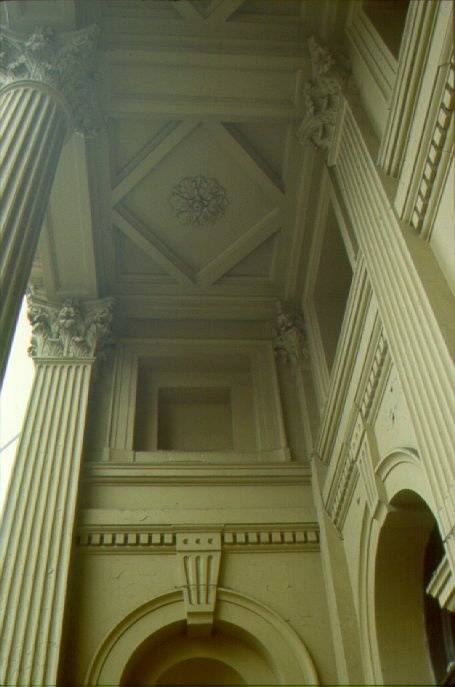
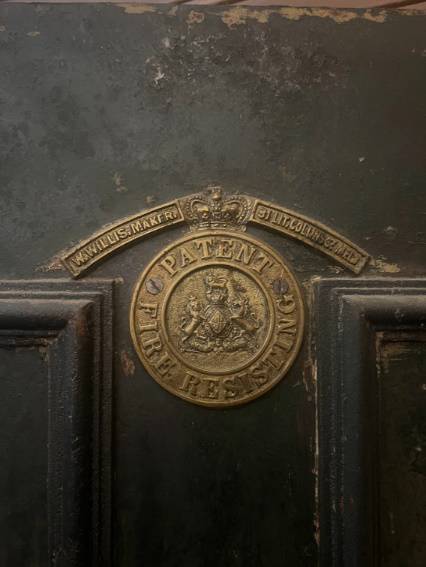
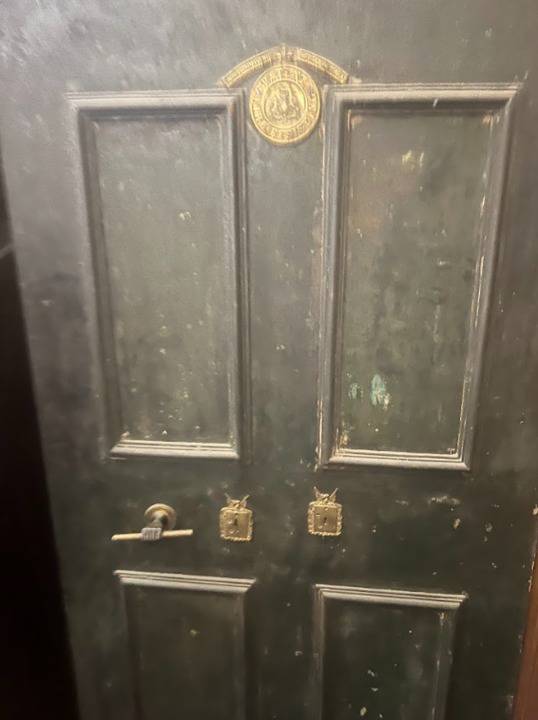
TheFormer Union Bankis architecturally significant as a particularly fine and intact example of a nineteenth century bank and associated outbuildings. The Former Union Bank is a Classical design with detailing of the colonnaded, recessed façade and the use of the giant Corinthian order. It is also of architectural significance for its associated outbuildings including a gold safe, residence and smelter which illustrate the banking practice of this era. The Former Union Bank is also significant as a fine example of the work of prominent architects, Smith and Johnson, whose most notable work is the Law Courts (VHR1514) in William Street, Melbourne. The Union Bank also forms a key component of the historic streetscape of View Street Bendigo.