
| Back to search results » | Back to search page » |


|
FORMER PORTLAND INN
Other NamesPORTLAND HOTEL , PORTLAND INN Location4 PERCY STREET PORTLAND, GLENELG SHIRE
File NumberPL-HE/03/0157LevelRegistered |
|






Statement of Significance
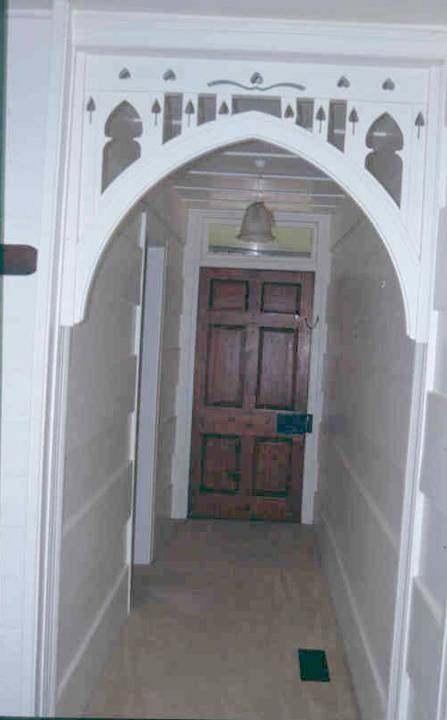
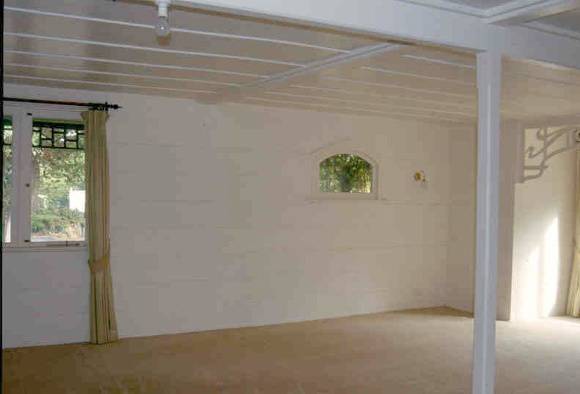
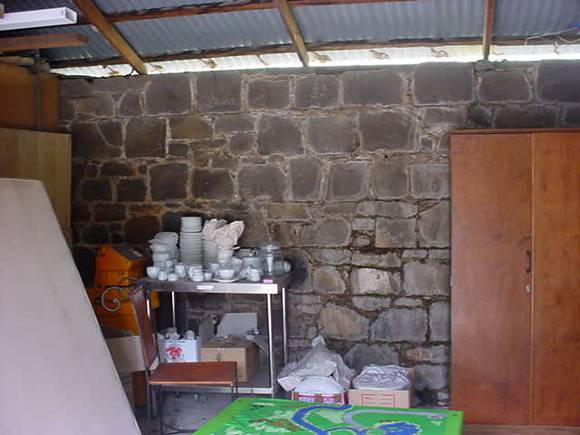
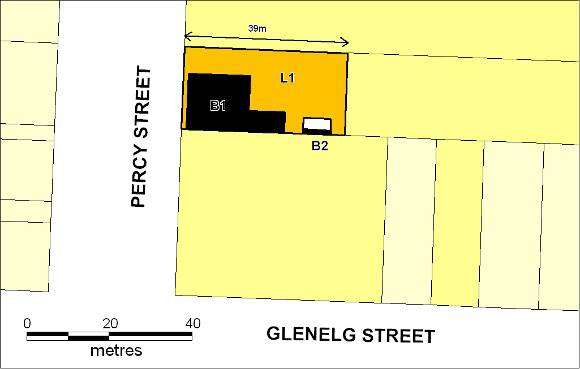
What is significant? William Frost, described as a gentleman, purchased the site known as Allotment 17, Section 2, Township of Portland, for £200 in early October 1840 a the first Portland land sales held in Melbourne. Frost, who had been a publican in Tasmania, arrived in Portland Bay from Launceston in November 1840 accompanied by a builder, Owen Riley, on the same ship. Shipping records indicate that Frost brought the building materials for the Portland Inn with him from Tasmania, including 18,587 feet timber, 8,000 shingles, 13 kegs paint and nails, and 16 cases earthenware. Owen Riley brought with him 960 feet timber and 1,500 shingles. Construction of the Portland Inn seems to have begun by December 1840 and it was licensed and operating by March 1841. In May 1841, the Chief Protector of Aborigines G.A. Robinson recorded staying for two nights at 'Frost's Hotel'. By 1842, the hotel was well established, as evidenced by a surviving plan of the site drawn up by E.W. Cole, a local builder, in November of that year. Cole's detailed plan shows a complex of buildings, including the main hotel building which survives, and other buildings now gone extending the length of the allotment comprising a cow house, coach house, piggery, a fowl house, six-stalled stables, a cottage, blacksmith's shop and a wheelwright's shop. A bluestone wall at the back of the current garage is the only tangible evidence of these other structures. Archaeological investigation in March 2004 found little trace of these former structures. After Frost's death in March 1843, the Portland Inn passed through a number of different licensees until in 1857 it was purchased by James Hawkins, a school teacher, who ran the place as a private school. Since the early twentieth century the building has been a private dwelling. The former Portland Inn is of architectural and historical significance to the State of Victoria. The former Portland Inn is architecturally significant for demonstrating the principal characteristics of a timber public house of the 1840s, including a billiard room. The design retains fundamental indicators of colonial vernacular construction and much of the original fabric survives behind cosmetic changes, as does the internal plan, which is barely altered from the 1842 survey plan. The former Portland Inn is historically significant as one of the demonstrably oldest surviving buildings in the State. It has an association with the earliest officially sanctioned settlement of Portland, itself the first permanent settlement in Victoria. The former Portland Inn provides a clear physical insight of an early commercial hotel premises providing accommodation to travellers and itinerant maritime industry workers along the coast. The intact billiard room occupying much of the first floor is particularly unusual. The bluestone wall to the rear is likely to be very early, a last remnant of the former complex of service buildings at the rear.
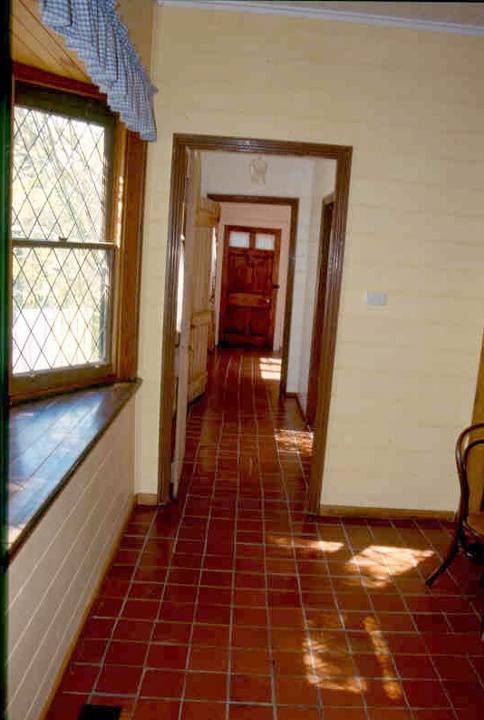
Frost's Tasmanian origins are evident in the style of the building, which like many early buildings in Portland bears strong similarities with colonial vernacular styles in Tasmania. There is no indication of pre-fabricated construction. The two storey weatherboard building with steeply pitched shingled roof and pair of dormers has been slightly modified externally, by addition of a verandah, removal of shingles and reworking of the windows and dormers and rear service wing, but internally the main building has survived remarkably intact. On the first floor the large billiard room survives. Billiard tables were a major attraction of any early inn or hotel in the 1840s and 1850s.
How is it significant?
Why is it significant?
Group
Recreation and Entertainment
Category
Hotel