
| Back to search results » | Back to search page » |


|
FORMER OVENS BENEVOLENT ASYLUM
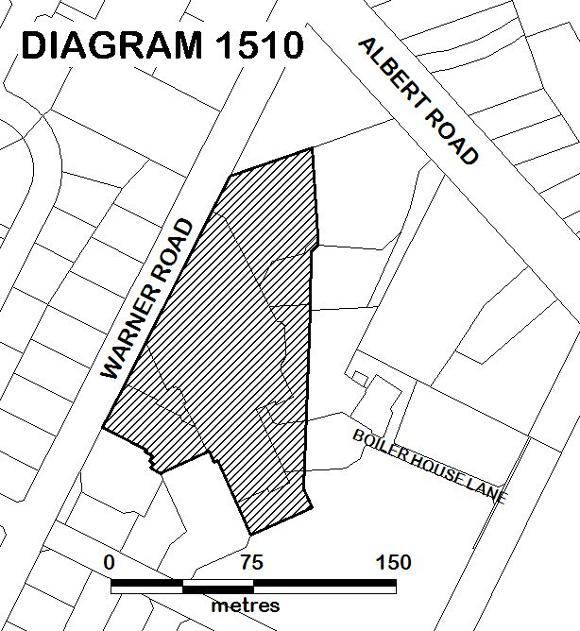
Other NamesOvens and Murray Home , OVENS AND MURRAY HOSPITAL FOR THE AGED , Ovens Benevolent Asylum , Ovens Benevolent Home , Beechworth Health Service , Beechworth Hospital Location3A & 5 WARNER ROAD AND 42 GILCHRIST AVENUE AND 6 BOILER HOUSE LANEAND 26-28 ALBERT ROAD BEECHWORTH, INDIGO SHIRE
File NumberFOL/15/9233 [ 1 - 3 ]LevelRegistered |
|




Statement of Significance
What is significant? Gold was discovered in the vicinity of Beechworth in 1852 and
the following year it was declared a town. The gold rush peaked there
in 1857 and by the 1860s prospectors were moving to newer goldfields
in the district. Beechworth became an administrative and legal centre
for the north-east region of Victoria and by the time it became a
municipality in 1863, many administrative buildings had been
constructed. Such buildings as the Lunatic Asylum, the Benevolent
Asylum and a number of churches were subsequently built, as emphasis
turned to the development of Beechworth as a residential town as well
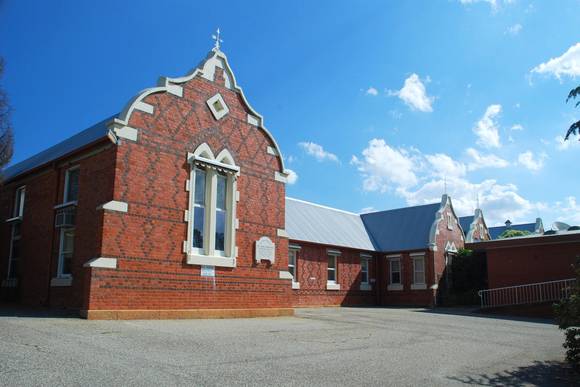
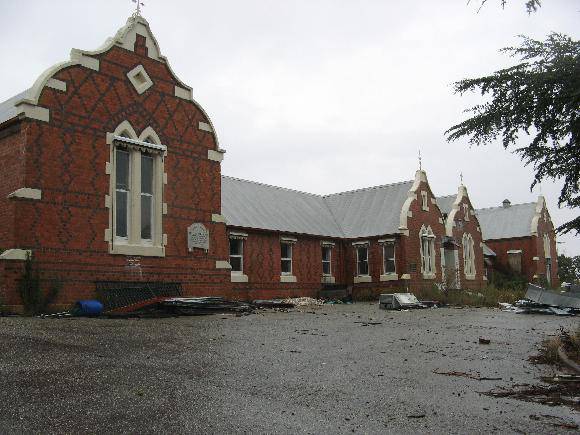
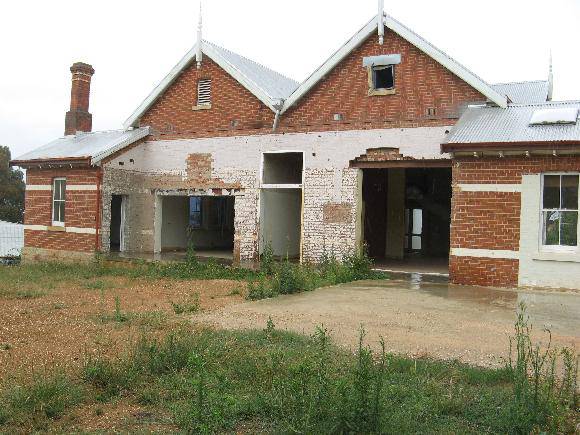
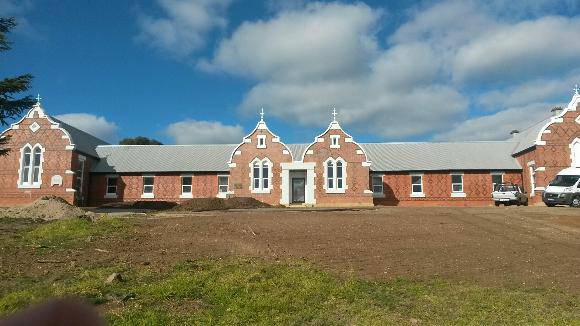
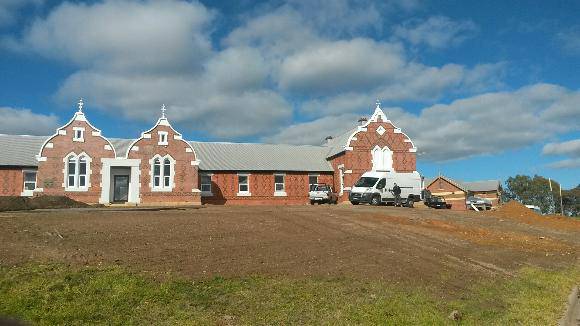
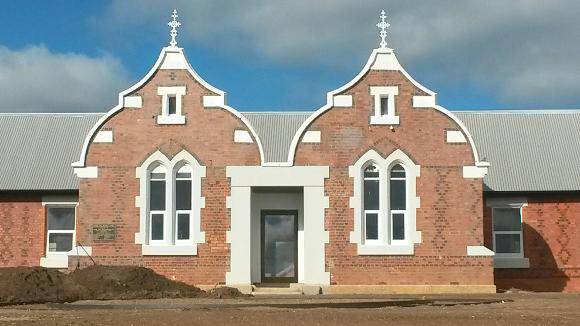
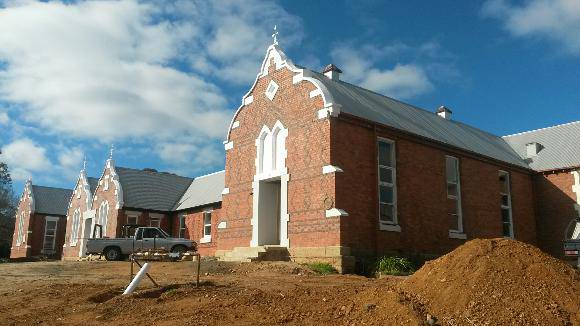
as an important administrative centre. The original Benevolent Asylum building was designed in an unusual
Flemish Gothic Revival style. The single storey building is of red
brick on a dressed granite base, and the main facade is dominated by
four curved, Flemish gable ends, those at the extremities being added
to the original central section in 1867. This facade incorporates
paired windows of pointed Gothic form and dark brick diaperwork
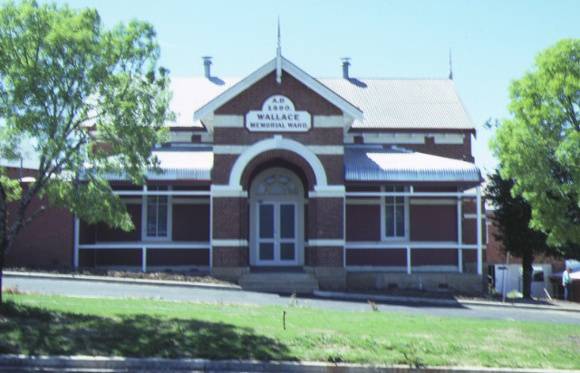
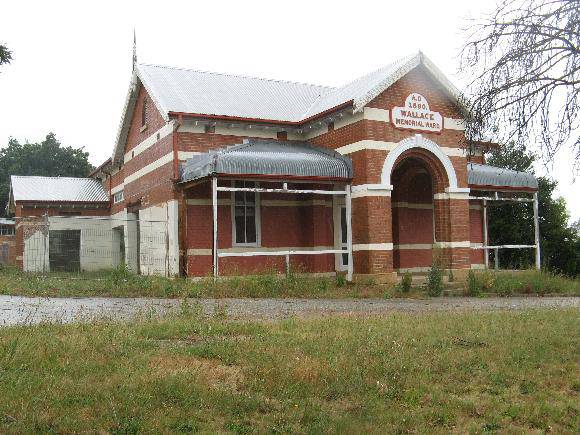
patterning. The adjacent J. A. Wallace Wing of 1899 was designed by
Donald Fiddes as a separate building. Also constructed of red brick,
Fiddes adopted a conservative approach, designing a simple domestic
scale building with central projecting gable porch and flanking bull
nosed verandahs. The Benevolent Asylum was renamed the Ovens Benevolent Home in 1935
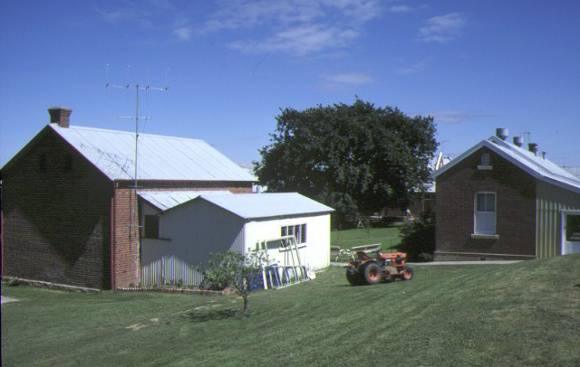
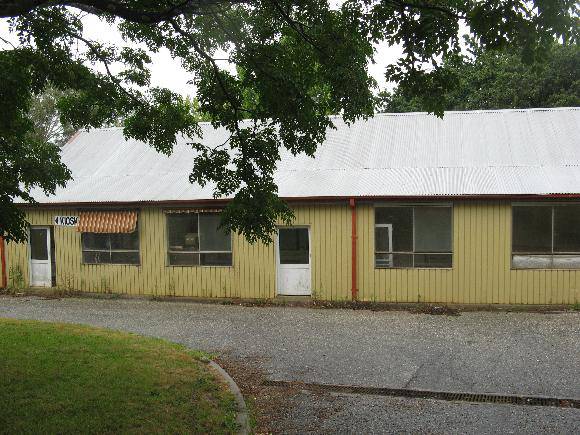
and The Ovens and Murray Home in 1954. Many buildings have been added
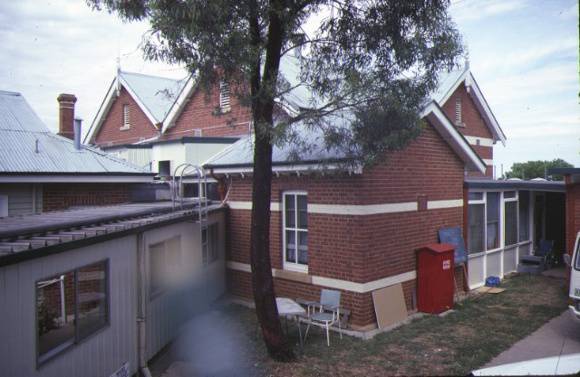
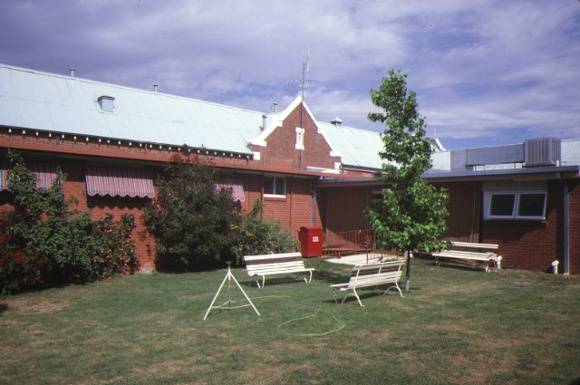
to this site, particularly since the 1960s, including a poorly sited
addition to the front of the original building. Extensive internal
renovations have also been made to the original buildings.
How is it significant?
Why is it significant? The Ovens and Murray Hospital for the Aged is of historical
significance due to its association with the early development of
Beechworth and its dominant siting within the town. It is illustrative
of the civic development that took place in the town after the peak of
the gold rush, when Beechworth was emerging as the administrative
centre of the north east of Victoria.
Construction of the Ovens Benevolent Asylum (now the Ovens and
MurrayHospital for the Aged) began in 1862 on an elevated site
overlooking thetownship of Beechworth. A building containing two
dormitories and anumber of smaller rooms was constructed initially and
in 1867 twoadditional wards and a third dormitory were added. A second
building,the J. A. Wallace Wing, was constructed in 1890 as a female
ward.
The Ovens and Murray Hospital for the Aged in Beechworth is of
architectural and historical significance to the State of Victoria.
The Ovens and Murray Hospital for the Aged is of architectural
significance as an unusual example of Flemish influenced design from
the 1860s. Although the facade has been partly obscured, it remains
intact, and, together with the more simply designed Wallace wing, are
important examples of early buildings designed for the specific
purpose of aged care. The Flemish gables remain as a dominant form of
Beechworth's urban landscape.
[Online Data Upgrade Project 2004]
Group
Health Services
Category
Hospital